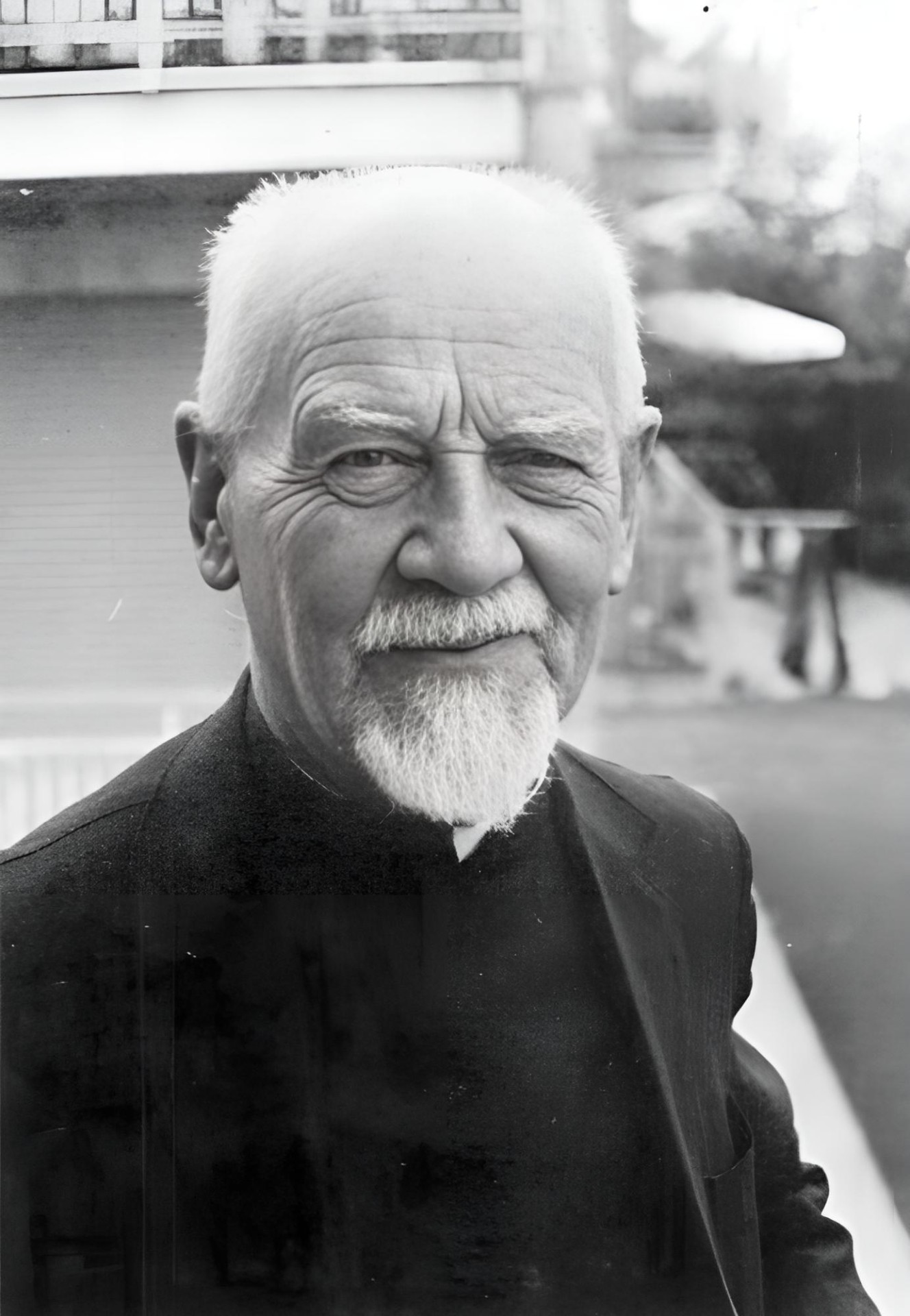


P. Mario Lanciotti
Cupramarittima (Ascoli Piceno), 28 ottobre 1901
Belèm (Brasile), 22 Gennaio 1983
Missionario per cinquant'anni in Cina, Giappone e Brasile. Di anni 82. Sepolto ad Abaetetuba (Parà - Brasile)
Il P. Mario Lanciotti nacque a Cupramarittima (AP) il 28.X.1901. Entrato a Parma il 15.VII.1925 proveniente dal Seminario di Fano, dove aveva già compiuto il III° Corso Teologico, emise la 10 Professione Religiosa nelle mani del Fondatore il 24.VII.1926.
Ordinato Sacerdote il 29.VI.1927 da Mons. Conforti nel Duomo di Parma, l'anno successivo partiva per la Cina, dove rimase fino al dicembre 1946 dopo le peripezie del concentramento e del domicilio coatto. Rientrato in Italia, dopo un breve periodo di riposo, nel 1947 fu destinato a Parma e poi a Piacenza come direttore Spirituale dei Teologi. Nel 1950 si dedicò all'animazione missionaria nei Seminari.
Nel 1951 partì alla volta del Giappone: fu a Kishiwada, Nobeoka fino al 1955 quando fu destinato al Brasile.
Lavorò nel Brasile Sud fino al 1960 e all'apertura della Prelatura di Abaeté del Tocantins, andò al Nord (Parà). Fu a Tomé Acù, Abaetetuba, Belèm ed infine nel 1975, chiese di andare in aiuto alla Prelatura dello Xingù, sprovvista di personale.
Negli ultimi anni soffriva di gravi disturbi agli occhi. Ultimamente aveva chiesto di poter vivere tra gli anziani di un Ricovero a Belèm e così essere povero tra i poveri. Ma alcuni mesi fa dovette ritirarsi ad Abaetetuba.
Ricoverato in ospedale per un intervento chirurgico, non riuscì a riprendersi per sopravvenute complicazioni postoperatorie.
Morì a Belèm il.22 Gennaio 1983. Ai funerali erano presenti 4 Vescovi, molti Sacerdoti e fedeli che lo avevano stimato ed amato.
Il P. Mario Lanciotti, Missionario del Signore per quasi cinquant'anni, riposa ora sulle rive del Rio delle Amazzoni.
La sua fu una vita tutta spesa per la missione senza risparmio e sempre nei posti più disagiati e difficili.
In Cina era leggendaria la sua bicicletta con la quale correva in tutti gli angoli del territorio affidatogli per essere sempre con la sua gente.
Da Pei-chan-Kecu nel 1937 scriveva:
"Tre anni fa non c'era un battezzato qui... Quanto ho sofferto! Ma ora è Natale. Grazie Signore, d'avermi chiamato in mezzo a questa gente!".
La sua chiesetta, una grotta scavata nella montagna, era piena di cristiani. Nell'Amazzonia, a 70 anni sonati, andò con i primi Saveriani nei posti impervi della Prelazia dello Xinguì. Scriveva nel 1976 da Altamira:
"Sono già vecchio. Ho vissuto la mia vita. Ma ti assicuro che sono contento, tanto contento della mia vita missionaria vissuta. Se il Signore mi desse la possibilità di ricominciare, non esiterei a ricominciare allo stesso modo, con qualche correzione."
La sua vita si specchia nei suoi scritti. Egli ha scritto molto, non libri, ma tanti articoli e racconti di vita missionaria. Aveva un acuto spirito di osservazione e sapeva cogliere gli episodi significativi, notare le usanze caratteristiche e anche giudicare le situazioni così diverse in cui si trovò. Il suo stile era semplice e piacevole. Anche con la penna voleva dire "qualcosa di utile a tutti". E nei suoi scritti ha lasciato il suo messaggio:
"Sono qui - scrisse ad un amico -in mezzo alla foresta amazzonica sulle rive del fiume Xingù. Sono felice. Quando ottenni di lavorare in questo luogo abbandonato avevo 71 anni suonati, ma adesso mi sembra d'averne perso 40. Qui mi sento più al mio posto come missionario. Il Signore è stato troppo buono con me nella mia vecchiaia! Come mi fanno pena coloro che ritengono sorpassata la vita missionaria! Se vuoi essere felice, vieni con me!"
Fr. Mario Lanciotti
Cupramarittima (Ascoli Piceno), 28 ottobre 1901
Belèm (Brasile), 22 Gennaio 1983
Fr. Mario Lanciotti died at the “Beneficiente Portoguesa” Hospital of Belèm (Brazil) on Jan. 22 1983, of prostate cancer. He was 82 years old, born on Oct. 28 1901 at Cupramarittima (Ascoli Piceno).
He entered the Xaverians at Parma in 1925 following studies at the Seminary of Fano, in his third year of theology. He professed religious missionary vows in the hands of the Founder on July 24 1926, and was ordained priest by Msgr. Conforti on June 29 1927 in the Cathedral of Parma. The following year, he left for China, where he remained until Dec. 1946, himself dealing with the difficulties of the concentration camp and house arrest. After a brief period in Italy, he was assigned to Parma and Piacenza as spiritual director of the Theology community, and then, in 1950, as missionary animator in diocesan Seminaries of Italy.
In 1951 he departed for a new mission, Japan, where he worked at Kishiwada, Nobeoka for about 4 years until his new assignment to Brazil. He worked in Southern Brazil until 1960, and when the Prelature of Abaetè do Tocantins was opened, headed to Northern Brazil in the state of Parà, working at Tomè Acù, Abaetetuba, Belèm, and since 1975 in the Xingù area.
Though suffering of grave problems with his eyes, he continued his missionary work, and even retired in a Nursing home at Belèm as a witness of being among the poor. He was finally sent to Abaetetuba where he underwent a surgical procedure for his prostate cancer, which did not have the results expected. He died in Belèm on Jan. 22 1983, and was laid to rest in the city cemetery of Abaetetuba (Parà, Brazil). At his funeral there were 4 bishops, many concelebrating priests, and lots of faithful who admired Fr. Mario for his witness and dedication through the years.
Fr. Mario had spend almost 50 years of missionary life, and now rests on the banks of the Amazon River. His life was spent for the mission cause, giving himself completely, and always in places of discomfort and difficulties. He was famous for his bicycle rides in China, to visit the Christian communities, and be among his people. He wrote from Pei-chan-Kecu in 1937: “Only three years ago we did not have a Christian in our midst… How much did I suffer for that! But now Christmas is here. I thank the Lord for having me called in the midst of these people.” His church, hewn from a rocky mountain, was full of Christians.
In the Amazons, he joined the first Xaverians in the difficult and far away places of the Prelacy of Xingù, when he was 70 years old. He wrote from Altamira in 1976: “I am already old, and I lived my life. Yet, I can assure you that I am happy, very happy of my missionary life. And if the Lord would give me the chance to start again, I would not hesitate a moment, and begin again and correct a few things.”
"His life is reflected by his writings. He wrote not books, but many articles and stories of missionary life. He had an acute sense of observation and could retell meaningful episodes and anecdotes, thus showing characteristic customs and behaviors, and also judge the various environments in which he lived. He wrote simply and pleasantly, for he wanted to tell with his pen “something useful to everyone.”
His message is reflected in the following paragraph written to a friend: “I am in the middle of the Amazon forest, on the banks of the river Xingù. I am happy. I came here when I was 71 years old, and I feel as if I am 40 years younger. As a missionary, I feel in my place in these surroundings. The Lord has been good to me in my later years of life! How I dread those who consider missionary life useless! If you want to be happy, come with me!”