



Nella città di Parma, nel nord d’Italia, al “Quarto Piano” della Casa Madre dei Missionari Saveriani c'è una specie di ospedale di lungo degenza, in un settore ristrutturato per accogliere missionari anziani e ammalati che hanno bisogno di attenzioni particolari. Il Centro che i saveriani chiamano affettuosamente "Quarto piano" possiede due dozzine di posti per i missionari saveriani dei vari paesi in cui la congregazione ha missioni.
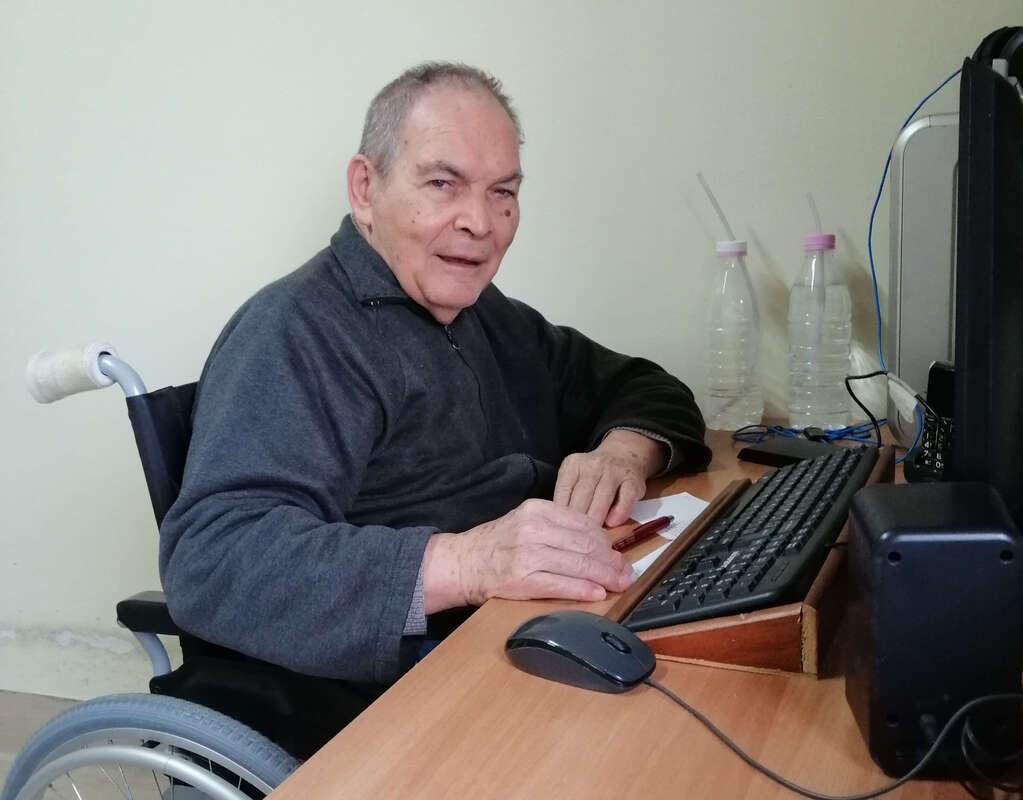
In essa i missionari vivono un'intensa vita comunitaria che tiene conto dei limiti di ciascuno, ma non permette a nessuno di sentirsi dimenticato o escluso.
È una vita che comprende momenti di preghiera comune (Lodi, Eucaristia, Rosario), incontri quotidiani su vari temi, terapia fisica e terapia occupazionale sotto la guida di tecnici laici. C'è ancora molto tempo per le attività personali.
Alcuni saveriani donano parte della loro vita per aiutare i malati e gli anziani. Sono questi confratelli che programmano le attività e aiutano a svolgerle.
L'esecuzione delle mansioni domestiche - infermieristica, alimentazione, pulizie, servizi generali - è affidata a funzionari contrattati.
Collabora anche un gruppo di volontari che dedicando qualche ora del proprio tempo a quanto necessario per rendere più piacevole la vita quotidiana dei residenti. Tra i volontari ci sono studenti di teologia e altri missionari che vivono nei piani inferiori dell'edificio. Ogni volta che le loro attività glielo consentono, danno una mano (spingere la sedia a rotelle di un paziente, dar da mangiare a un altro o semplicemente parlare e augurare una buona giornata ...)
Per cure mediche specialistiche, utilizziamo i servizi di sanità pubblica della città. I farmaci, il monitoraggio quotidiano e la supervisione sono responsabilità del team medico interno.
Gli ospiti stanno cercando di imparare a vivere questa nuova fase della loro vita, con le limitazioni imposte dalla malattia e dalla vecchiaia. Con una certezza: nella vita missionaria è possibile essere utili anche se si è ammalati, anziani o fisicamente limitati.
Basta ricordare quello che Gesù diceva a San Pietro: "Quando eri giovane, ti vestivi e andavi dove volevi; ma quando sarai vecchio, allungherai la mano e gli altri ti vestiranno e ti porteranno dove non vuoi "(Gv 21,18).
Come in ogni parte del pianeta, anche nel "Quarto piano" la pandemia si è abbattuta con estrema violenza portandosi via quasi venti confratelli e obbligando a ristrutturare l’organizzazione interna. Anche la solidarietà della città che sempre è stata ricca di iniziative e gesti, ha dovuto ridurre le sue manifestazioni in obbedienza alle norme legali ed alle esigenze della prudenza.
La storia non è finita
La missione doveva essere il punto finale della storia personale del missionario. E l’ideale sognato era la morte in terra di missione. Invece no. Con il peggioramento delle condizioni di salute o altre ragioni, molti missionari finiscono per diventare un peso per la loro comunità. Resistono a lungo, ma alla fine devono cedere. Essi sanno che la Congregazione - nel caso i Missionari saveriani -hanno una casa per missionari anziani e/o malati. E così, un giorno sbarcano in Italia e fanno il loro ingresso nel “Quarto Piano” della Casa Madre, accolti da una trentina di colleghi provati dall’età e dalle malattie e affidati alle cure di una Equipe specializzata.
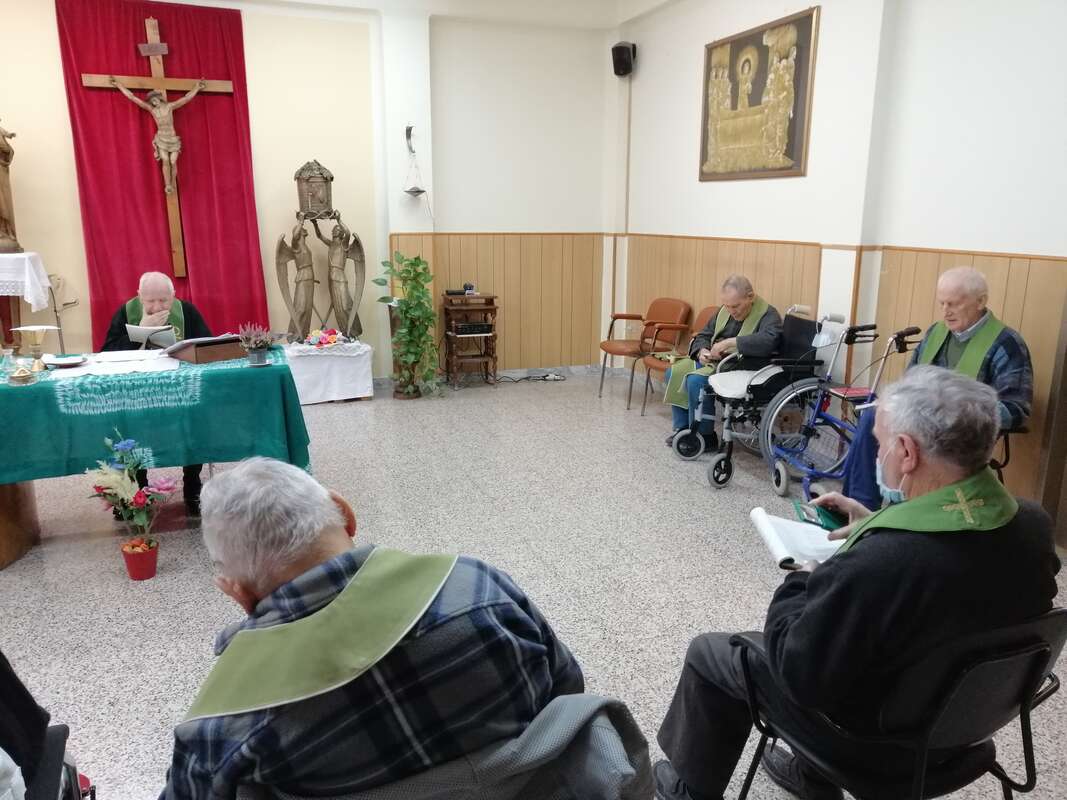
Si tratta di confratelli che hanno passato la vita lungo i fiumi dell’Amazzonia, tra i disperati delle periferie delle grandi città del Terzo Mondo. Adesso, già vecchi e malmessi in salute dovranno “fare missione” tra le quattro pareti di un edificio che sessanta anni fa li aveva accolti come giovani studenti.
Essi sapevano, e oggi lo sanno anche meglio, che l’utilità di una persona per il lavoro missionario non dipende dalle sue condizioni di salute. Ricordano le parole di un vescovo (italiano), che amava ripetere: “Non è la geografia che fa il missionario”. Ma l’amarezza della lontananza dalla “sua gente” non si cancella con buoni propositi.
Purtroppo, l’avvento della pandemia, imponendo un rigore non previsto all’isolamento, ha appesantito la situazione che gli abitanti del “Quarto Piano” stanno accettando tenendo davanti agli occhi le condizioni di vita di coloro che non hanno casa, né cibo, né assistenza medica come noi abbiamo.
Origine biblica
Dopo la colazione-concistoro sulla riva del mare di Tiberiade nel quale Simon Pietro fu confermato papa, Gesù gli disse:
Quand'eri più giovane, ti cingevi da solo e andavi dove volevi; ma quando sarai vecchio, stenderai le tue mani e un altro ti cingerà e ti condurrà dove non vorresti. Disse questo per indicare come avrebbe glorificato Dio fino alla morte. E, dopo aver parlato così, gli disse: «Seguimi». (Gv 21,15-19)
Con queste parole – a detta degli esegeti più autorevoli – il Maestro fondò, per i secoli dei secoli, il IV Piano.
Ci sono due navi al largo del porto: una sta per partire, l’altra per arrivare. Per quale dobbiamo rallegrarci di più? Quella che parte l’attende una traversata difficile con pericoli di pirati e tempeste. Quella che arriva è già a salvo e carica d’ogni ricchezza. Dobbiamo rallegrarci più della nascita o della morte? (Saggezza ebraica)
Parma, 12.01.2021
The “Fourth Floor” Caught in a Storm
City of Parma, northern Italy: In the “Fourth Floor” of the Mother House of the Xaverian Missionaries one finds a sort of long-term care hospital. It is located in a section of the house which has been refurbished to accommodate old and sick missionaries in need of special care. This centre, which the Xaverians affectionately call the “Fourth Floor”, can house up to two dozens of Xaverian missionaries from all countries where the congregation has its missionary posts.
In the Fourth Floor, the missionaries live an intense community life that takes into account the limitations of each one, making sure that none feels neglected or excluded.
This is a life which includes moments of common prayer (Lauds, Holy Mass, Rosary), daily meetings on various topics, and physical therapy and occupational therapy under the guidance of lay professionals. Then there is still much time for personal activities.
Some Xaverians offer part of their lives to help the sick and elderly. It is these confreres who plan our activities and help carry them out.
Household chores (nursing, food-service, cleaning, and general services) are entrusted to contracted personnel.
Collaborators include also a group of volunteers who dedicate some hours of their time to doing anything necessary to ensure that the residents have a more pleasant daily life. Among the volunteers are the students of theology and other missionaries who live in the lower floors of the building. Whenever they are free from other commitments, they offer a helping hand (like pushing the wheelchair of a patient, feeding someone or simply talking and wishing them a good day…).
For special medical care we avail ourselves of the city’s public health services. As for the administration of drugs and daily monitoring and supervision, these are entrusted to an internal medical team.
The guests are trying to learn how to live this new phase of their life and face the limitations deriving from illness and aging. They have a certainty: in missionary life it is possible to be useful even when one is sick, old or physically impaired.
One simply needs to remember what Jesus told Saint Peter: “In all truth I tell you, when you were young you put on your own belt and walked where you liked; but when you grow old you will stretch out your hands, and somebody else will put a belt round you and take you where you would rather not go.” (Jn 21: 18)
As in all parts of the planet, the pandemic has hit the Fourth Floor with great virulence, taking the lives of about twenty confreres and forcing us to rethink our internal organization. The solidarity of the city, always so rich in initiatives and gestures, has been forced to reduce such manifestations to comply with new norms and the need to exercise prudence.
The Story has not Ended
Mission was supposed to be the final moment in the personal history of a missionary. To die in missionary land was the ideal much dreamt about. This is not the case, though. Following the deterioration of one’s health conditions or because of other reasons, many missionaries end up being a burden to their community. Although they resist for a long time, they eventually must yield. They know their congregation – in our case, the Xaverian Missionaries – has a house for old and ill missionaries. Thus, one day they land in Italy and enter the “Fourth Floor” of the Mother House, where they are welcomed by thirty or so colleagues on whom age and illness have taken their toll, and who are looked after by a professional team.
These are confreres that have spent their lives along the Amazon rivers, or among the hopeless in the outskirts of large Third-World cities. Now they are old and in poor health. They will have to “do mission” within the four walls of a building that sixty years ago welcomed them as young students.
They knew then, as they know it better today, that one person’s usefulness to missionary work does not depend on his or her physical conditions. They remember the words that an Italian bishop loved repeating: It is not geography that makes one a missionary. However, good resolutions can hardly wipe away the bitterness one feels in being far away from “his people”.
Regrettably, the outburst of the pandemic has led to the imposition of an unforeseen and rigorous isolation that has worsened the situations of the Fourth-Floor residents. They bear with this state of affairs, always keeping in mind the life conditions of those who, differently from us, have no house, no food, no medical assistance.
The Biblical Origin
After that consistory-like lunch on the shores of the Sea of Tiberias during which Simon Peter was confirmed as pope, Jesus told him:
When you were young you put on your own belt and walked where you liked; but when you grow old you will stretch out your hands, and somebody else will put a belt round you and take you where you would rather not go.
He used these words to tell Peter how he would glorify God till death. Then, after having spoken in this way, Jesus told him: “Follow me” (Jn 21: 15-19). To believe some of the most authoritative bible scholars, it was with such words that the Master founded the “Fourth Floor” for centuries to come!
There are two ships off the harbour: one is about to sail off, the other is arriving. Which of the two should we rejoice for? The one leaving is embarking in a difficult crossing during which it will meet dangers like pirates and stormy sea. The one landing is by-now safe and full of all kinds of riches. Should we rejoice more for a birth or for a death? (Jewish wisdom)
Parma, 12 January 2021


