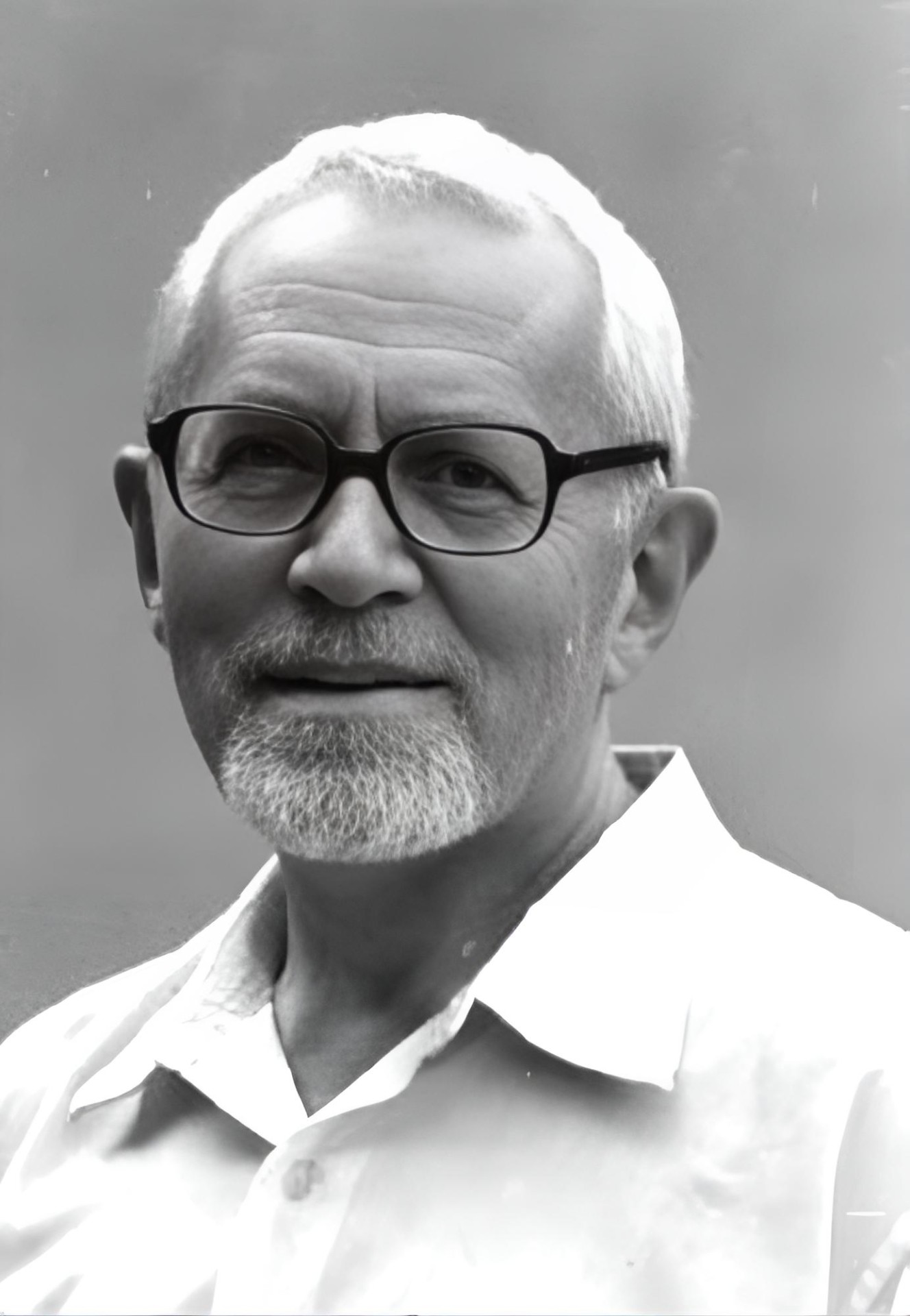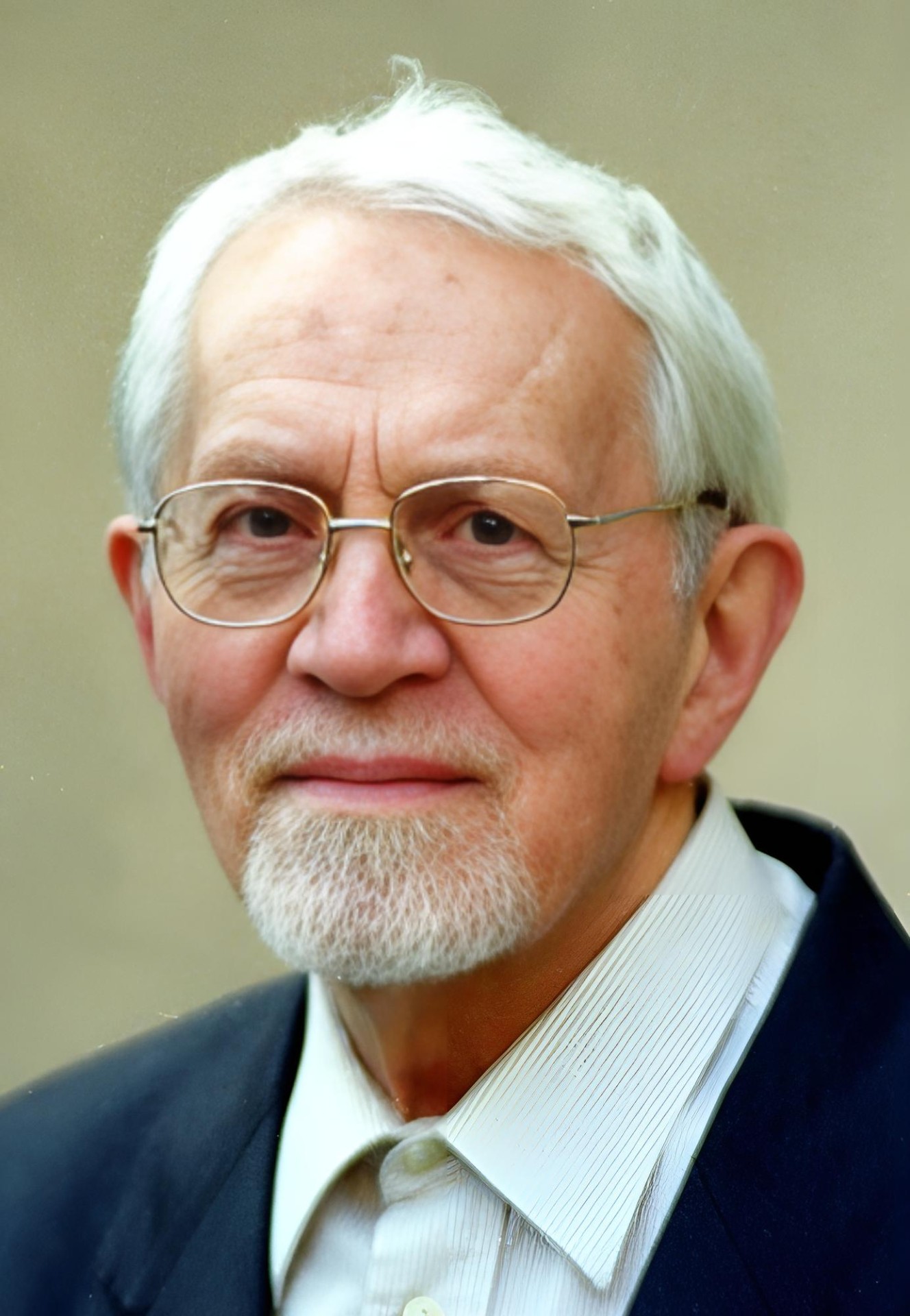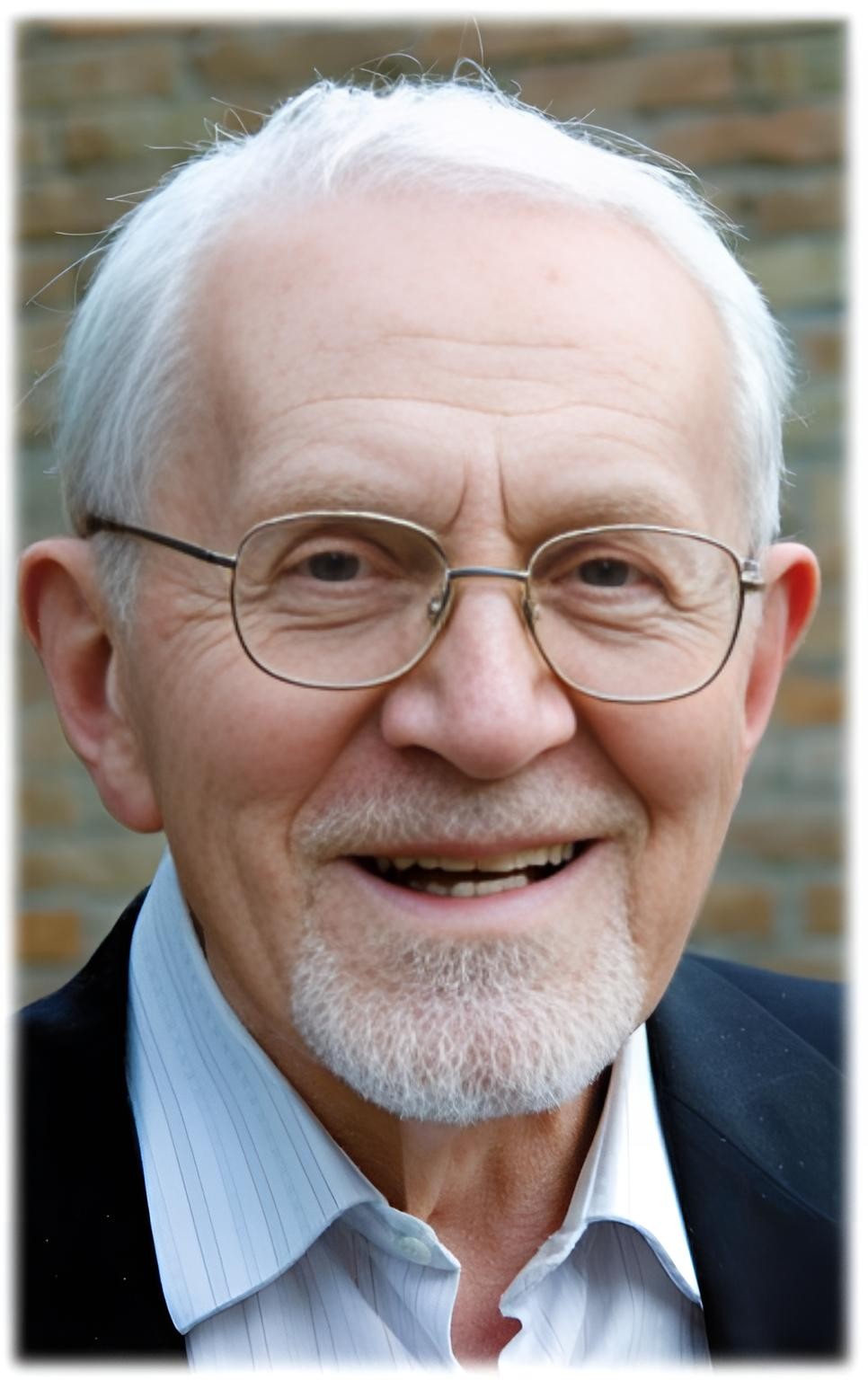


P. Lino Ballarin
Arcole (Verona) 4 dicembre 1920
Parma, 15 settembre 2012
A Parma, verso le 7.30 del 15 settembre 2012, si è spento il P. Lino Ballarin.Aveva quasi 92 anni, essendo nato a Arcole (Verona) il 4.12.1920.
Entrò all'Istituto a Vicenza nel 1931, così presentato dal suo arciprete: «Il giovinetto dà liete speranze di buona riuscita. Buono, pio, docile, d’indole mite e riflessiva, intelligente. Esce da genitori ottimi e quando sono sane le radici è presumibile siano sani pure i rami». Percorse l’iter scolastico-formativo allora vigente: le Medie a Vicenza (31-34), il ginnasio a Grumone (34-36), il Noviziato e la Prima Professione (12.9.37) a San Pietro in Vincoli, il Liceo a Parma (37-40), Prefettato a Poggio San Marcello (40-41), Teologia a Parma (41-45). Fu ordinato presbitero a Parma il 29.6.1945.
Questo il giudizio dei formatori alla conclusione dell’iter formativo: «Mente quadrata. Volontà metodica, forte, costante … disciplinato ed edificante. Mentalità da studioso. Potrebbe essere avviato agli studi universitari sia per la metodicità della sua mente che per il suo carattere alieno dal mettersi in vista e dal cedere all’ambizione personale».
P. Ballarin fu destinato agli studi accademici in vista dell’insegnamento nella teologia dell’Istituto. Frequentò per un anno il Seminario teologico di Venegono conseguendo la Licenza in Teologia (28.11.46). Si iscrisse quindi alla Gregoriana di Roma dove ottenne la Licenza in Storia Ecclesiastica (10.7.48). L’anno successivo, il 7.7.49, conseguì il Diploma di biblioteconomia rilasciato dalla Biblioteca Apostolica Vaticana.
Gli fu quindi chiesto di insegnare Storia ecclesiastica e Patrologia in teologia a Piacenza (49-58) e poi a Parma (58-61). Di questo periodo, per il conseguimento del dottorato in Storia Ecclesiastica, è pure la difesa della tesi (10.5.61) e la sua pubblicazione con il titolo L’anima missionaria di Guido M. Conforti (27.3.62).
Nel 1961 fu destinato alla missione del Congo. Vi rimase fino al 1975. Lavorò nella scuola (Mwenga e Bukavu) nella pastorale parrocchiale (Bukavu e Kitutu) e prestando il servizio della autorità (Superiore Religioso dal 69 al 72). Erano gli anni difficili del dopo indipendenza e, dal 1965, del Regime di Mobutu. «Ciononostante – testimonia P. G. Ferrari – P. Ballarin parlava sempre con grande entusiasmo della missione, come se i pericoli e le difficoltà non ci fossero proprio. Fu in quel tempo che egli cominciò a occuparsi della cultura, soprattutto della tribù lega. «Ha passato ore e ore a interrogare i vecchi africani perché gli facessero il ‘regalo’ di una loro fiaba…» (P. D. Milani).
Dal 75 al 79 fece parte della comunità della Casa Generalizia in via Nullo, richiamato dalla missione per collaborare a quel grosso impegno che portò alla riscrittura dei testi Costituzionali. Al riguardo P. Ballarin compose il ponderoso volume: Le Costituzioni Saveriane. Studio storico. E fu il Segretario della commissione post-capitolare, voluta dal X Capitolo Generale perchè elaborasse un testo provvisorio da presentare al Capitolo Generale successivo.
Nel 79 il testo provvisorio era pronto e P. Ballarin, considerato concluso il suo compito, ritornò in Congo, a Shabunda; ma nell’81 fu richiamato in Italia per seguire la redazione finale delle nuove Costituzioni. «È facile comprendere – osserva P. Ferrari - che molto del merito della nuova edizione delle Costituzioni è da attribuire alla competenza e alla sensibilità oltre che alla acribia di Padre Lino Ballarin».
Dal 1984 l’operosa giornata del Padre proseguì a Parma, dove, incaricato del Museo Cinese, per 15 anni (88-03) «ha accompagnato migliaia di visitatori. Ha compilato il primo inventario. Ha poi curato la collezione degli oggetti africani» (P. D. Milani). In quegli anni uscì pure con una quindicina di pubblicazioni. Poi le forze declinarono progressivamente. Dal 2005 era in cura.
Può riassumere la sua vita missionaria e la sua empatia per l’Africa quello che si legge nella corrispondenza pubblicata su ‘Missionari Saveriani’ sotto il titolo Ho costruito una capanna: «Adesso [dopo che anch’io ne ho costruita una], quando vado in una capanna, non vedo solo “quattro pali in croce e un fascio d’erba” ma una costruzione intelligente e quasi un luogo sacro … dove si svolge la vita dei miei fratelli africani, con le gioie e i drammi che ha la vita di ogni uomo».
Il Signore lo accolga nella grande ‘capanna’ del suo Regno.
Fr. Lino Ballarin
Arcole (Verona) 4 dicembre 1920
Parma, 15 settembre 2012
Fr. Lino Ballarin died in Parma, on 15 September 2012. Born in Arcole (Verona, Italy), on 4 December 1920, he was 91 years old.
He joined the Institute in Vicenza in 1931 with the following report from his priest: «he is a promising candidate: a good young man, pious, docile, with a meek and reflective nature, intelligent. His parents are excellent people, and when the roots are sound we can presume that the branches will be too ». He completed the formation program of that time: junior high school at Vicenza (1931-34), senior high school at Grumone (1934-36), Novitiate and First Profession (12.9.37) at San Pietro in Vincoli, Lyceum at Parma (1937-40), Prefect at Poggio San Marcello (1940-41), Theology at Parma (1941-45). He was ordained priest at Parma on 29 June 1945.
At the end of his initial formation, his formators said of him: «He is a sensible young man with a methodical, strong and constant will … he is disciplined and edifying in his conduct. He could well be assigned to university studies: he is methodical and shuns the lime light and ambition ».
Fr. Ballarin was assigned to further studies to prepare him for teaching at the Institute’s Theology school. For one year he attended the theological seminary of Venegono, where he obtained the Masters in Theology (28.11.46). He then enrolled at the Gregorian University, Rome, where he obtained the Masters in Church History (10.7.48). The following year (7.7.49), he obtained a Diploma in Library Science from the Vatican Library.
He was then asked to teach Church History and Patristic in the theology of Piacenza (1949-58) and then at Parma (1958-61). During this period, he also obtained a Doctorate in Church History with the thesis L’anima missionaria di Guido M. Conforti (10.5.61), which was published on 27 March 1962.
In 1961 he was assigned to the mission of the Congo, where he remained until 1975. He worked in schools (Mwenga and Bukavu), in parish pastoral ministry (Bukavu and Kitutu) and serving also as Religious Superior (1969-72). These were the diffi cult years that followed independence and, from 1965, the Mobutu regime. Fr. G. Ferrari says: «In spite of this, Fr. Ballarin always spoke with great enthusiasm about the mission, as if there were no dangers and difficulties. It was in that period that he began to study the culture, especially of the lega tribe. «He spent hours and hours interrogating the elderly Africans, asking them to tell him some of their tales …» (Fr. D. Milani).
From 1975-79 he was a member of the Generalate community in via Nullo, Rome, where he collaborated in the great work that led to the re-writing of the Constitutions. In connection with this, Fr. Ballarin composed the ponderous volume: Le Costituzioni Saveriane. Studio storico. He was also the Secretary of the post-chapter commission, which was requested by the X General Chapter to elaborate a provisional text for presentation at the subsequent General Chapter.
In 1979 the provisional text was ready and Fr. Ballarin returned to the Congo, to Shabunda; but in 1981, he was called back to Italy to follow the final drafting of the new Constitutions. Fr. Ferrari says: «much of the credit for the new edition of the Constitutions must be attributed to the competence, sensitivity and painstaking accu racy of Fr. Lino Ballarin».
From 1984, Fr. Lino worked in Parma where he was put in charge of the Chinese Museum for 15 years (1988-2003). During that time «he looked after thousands of visitors. He compiled the first inventory and organized the collection of African exhibits » (Fr. D. Milani). He also published fifteen works in this period.
When his health began to decline he was taken into nursing care (2005). His missionary life and love for Africa are summed up in the correspondence published in Missionari Saveriani under the title Ho costruito una capanna (I built a hut): «Now [after building my own hut], when I enter one I not only see “four poles holding up a roof of grass”; instead, I see an intelligent construction that is almost a sacred place … where the life of my African brothers unfolds with all the joys and dramas of every human being».
May he rest in peace.