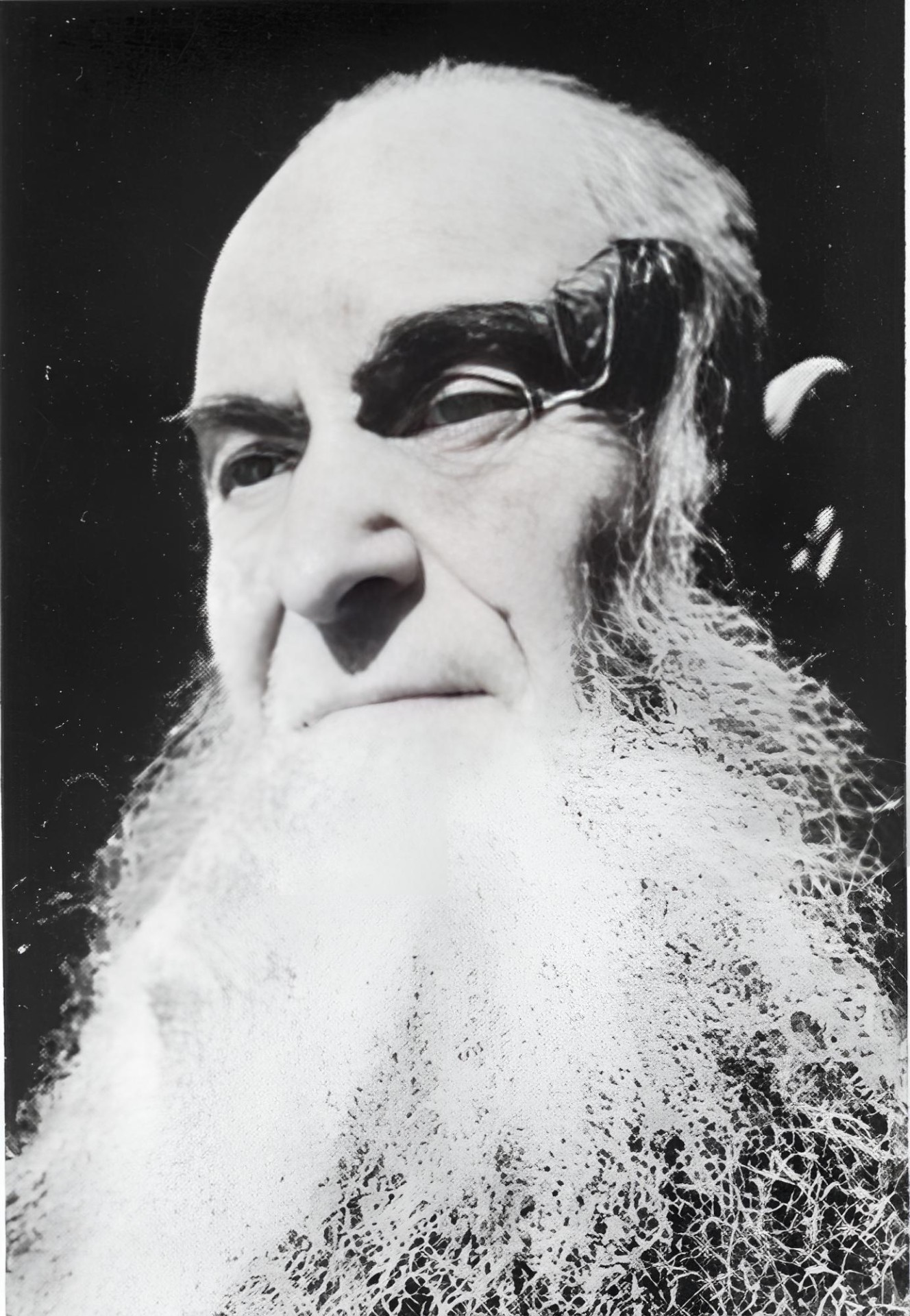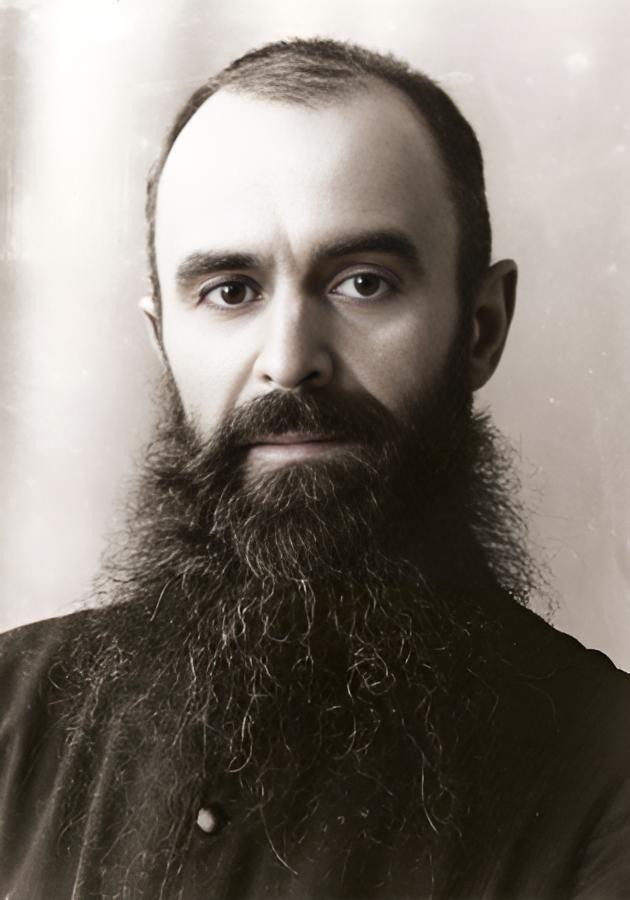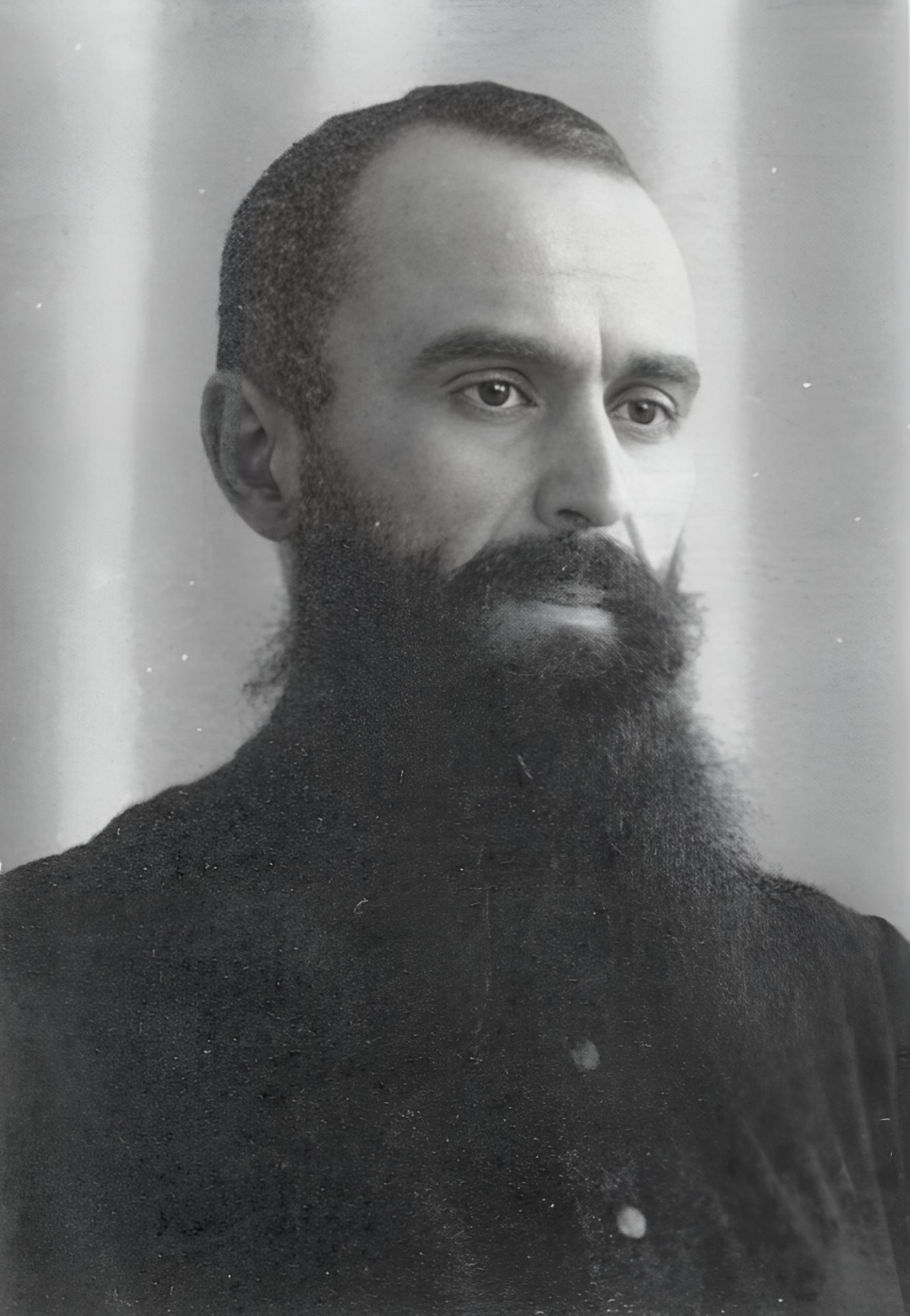


P. Amatore Dagnino
Villa Baroni di S. Secondo Parmense (Parma), 7 Aprile 1888
Parma, 6 Dicembre l967
Missionario in Cina e in Pakistan; Primo Superiore Generale dei Saveriani dopo Mons. Conforti. Di anni 79. (Sepolto a Parma)
Nacque il 7.IV.1888 a Villa Baroni di S. Secondo Parmense, ottavo figlio di una famiglia profondamente cristiana e benedetta da Dio con varie vocazioni; diverse sorelle e nipoti furono Suore e Missionarie: - tre fratelli Sacerdoti, religiosi e missionari - un cugino Cappuccino - lo stesso papà Domenico morirà in Casa Madre dei Saveriani dopo alcuni anni di vita in comune con essi.
Seguendo i consigli del fratello Vincenzo, già entrato tra i Saveriani, ed attratto da forte simpatia per l’Istituto di Mons. Conforti, lasciato il Seminario, entrava alle "Missioni" a 16 anni, nell’ottobre 1904.
Ordinato Sacerdote da Mons. Conforti il 28.X.l910, nel maggio successivo, a 23 anni, partiva Missionario per la Cina ove manifestò tempra di vero apostolo per 15 anni.
Dopo un richiamo in Italia, nel 1926 per svolgere il servizio di Rettore nella Scuola Apostolica di Poggio S. Marcello (AN), ripartì per la Cina nel settembre 1929 in seguito alla nomina a Superiore Religioso dei Saveriani colà operanti: per oltre due anni fu per i Confratelli Padre e Maestro di vita religiosa e di attività missionaria.
Dopo la morte di Mons. Conforti, nel II° Capitolo Generale, il 7.III.l932 veniva eletto Superiore Generale.
"Governò con fortezza e fede, seguendo le orme del Fondatore, tutto teso alla formazione dei Missionari, all’osservanza regolare ed alla vita di zelo nelle Missioni... Rimangono perenne ricordo del suo Generalato le fondazioni delle Case di S. Pietro in Vincoli, di Roma, della Casa Religiosa di Cheng-chow, della Casa di Tien-tsin e di Pechino, nonchè l’inizio di quella di Cremona. Nominò P. Tissot Postulatore della Causa di Beatificazione del Fondatore e ne promosse la traslazione della Salma dalla Cattedrale alla Casa Madre". (P. G. Gazza).
Nel 1944, dopo aver protratto il servizio di Superiorato per altri due anni, data l’impossibilità di tenere il Capitolo Generale nel 1942, diede le dimissioni per ragioni di salute, rimettendo il governo nelle mani del Sostituto P. Faustino Tissot.
In quell’occasione chiese ed ottenne - nonostante la sua salute precaria - di essere destinato di nuovo alle Missioni della Cina. Partì per la Cina nel dicembre 1947 finendo coinvolto nella bufera comunista; fu espulso il 5.I.l952.
Invece di rimpatriare, ottenne di fermarsi come Missionario nella nuova Missione che la S. Sede aveva affidato ai Saveriani nel Pakistan Orientale e vi rimase umile Missionario per quattro anni.
Richiamato nel giugno 1956 in Italia per partecipare al Capitolo Generale da allora in avanti visse la sua vita di edificante preghiera, di sacrificio e di consiglio a Parma, a Pegli, a Nizza Monferrato ed infine a Montecatini.
Ripetutamente colpito da paralisi, sopportò in Casa Madre con edificante fede la lunga e dolorosa malattia: rese l’anima a Dio nella mattinata di venerdì 6.XII.l967.
Fr. Amatore Dagnino
Villa Baroni di S. Secondo Parmense (Parma), 7 Aprile 1888
Parma, 6 Dicembre l967
Fr. Amatore Dagnino died at the Mother House in Parma, after a long and painful battle with paralysis on Dec. 6 1967. He was 79 years old, born at Villa Baroni di S. Secondo Parmense (Parma) on April 7, 1888.
He was the eight son of a deeply Christian family, blessed by God with many vocations: sisters and nieces became Religious and Missionaries, three brothers became priests, and one cousin became a Capuchin. Even his dad will die at the Mother House in Parma after living with the Xaverians there.
Under the counsel of his brother Vincenzo who had already joined the Xaverians, he left his diocesan Seminary studies to dedicate himself to the “missions,” attracted as he was by the spirit of family of Conforti. When he entered, he was 16 years old, in October 1904.
Msgr. Conforti ordained him priest on Oct. 28 1910, and the following May, he departed from China when he was 23 years old. There he showed his skills as a true apostle of the Lord for 15 years.
In 1926, Fr. Amatore returns to Italy and is named Rector of the Apostolic School of Poggio S. Marcello (Ancona). In Sept. 1929 he is back in China, as Religious Superior of the Xaverians: for over two years, he was considered by the confreres “Father and Teacher” of religious life and mission activity.
After the death of the Founder Msgr. Conforti, Fr. Amatore Dagnino is elected General Superior and successor of the Founder on March 7 1932, at the 2nd General Chapter. “He governed with strength and faith, following the norms and desires of the Founder, ever keeping in mind the formation of Missionaries, the religious aspect of our life, and the zeal needed for mission activity… In his term as General, we recall the foundations of S. Pietro in Vincoli, of Rome, of the Religious Domus of Cheng-chow, of the houses of Tien-tsin and Peching, and the start of the Apostolic School of Cremona. He named Fr. Tissot as Postulator of the Cause of Beatification of the Founder, and promoted the transfer of his body from Parma’s Cathedral to the Mother House.” (Fr. G. Gazza)
Because of World War II, he continued his term as General for two more years, until 1944, when he resigned for health reasons, giving the government of the Congregation to Fr. Faustino Tissot, the Substitute, so that a General Chapter would be called. Even though he was not well, Fr. Amatore requested and was granted that he be part of the Missions of China once again. He left in Dec. 1947, and landed in the midst of the communist revolution; he was expelled on Jan. 5 1952.
Instead of returning to Italy, he was assigned to the new mission of East Pakistan, where he spent four years of his life. He returned to Italy in 1956 to take part at the General Chapter, and then he spent the rest of his life in prayer, sacrifice and spiritual direction at Parma, Pegli, Nizza Monferrato and Montecatini. He was called Home in the morning of Friday Dec. 6 1967, after a long and painful illness.