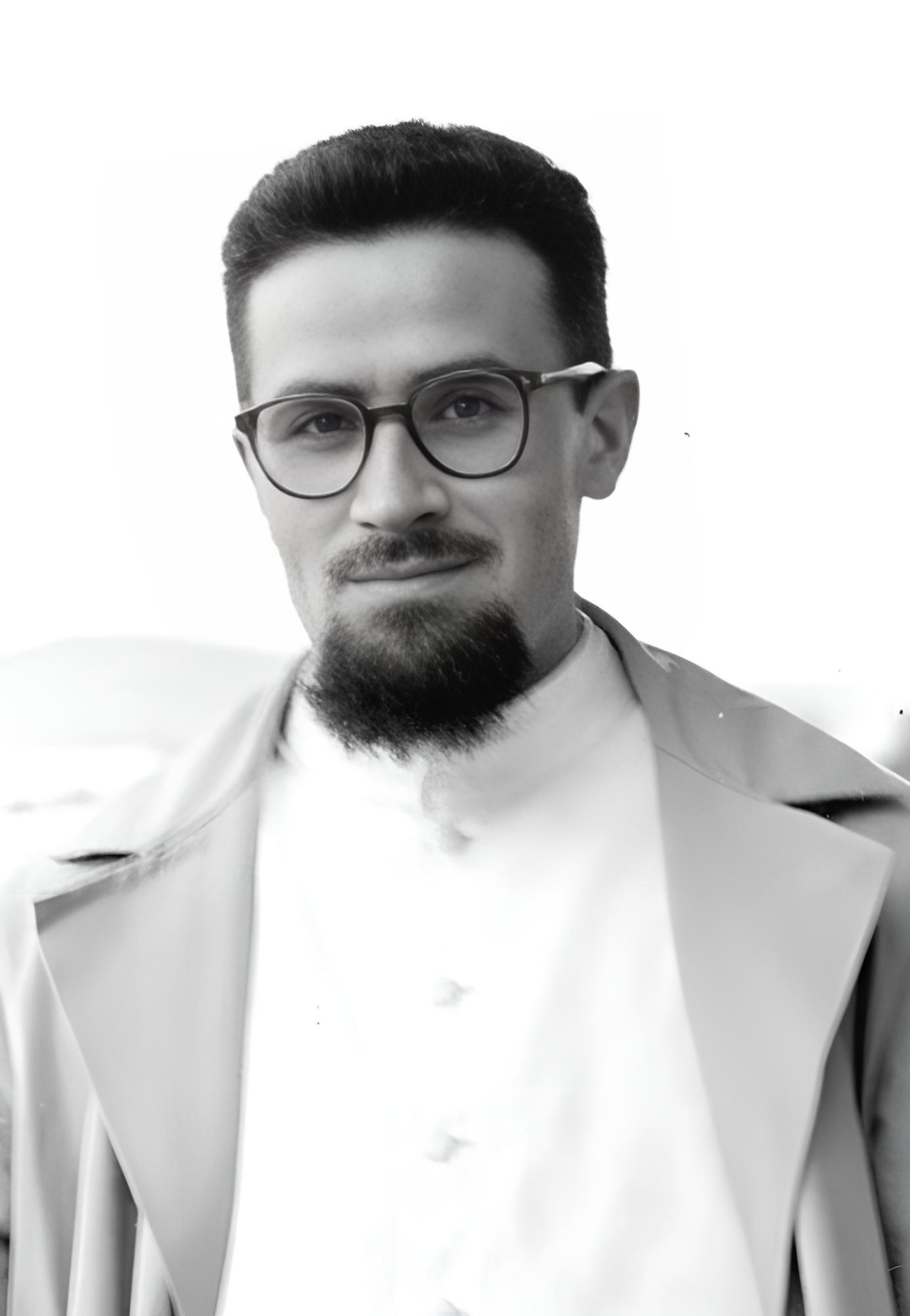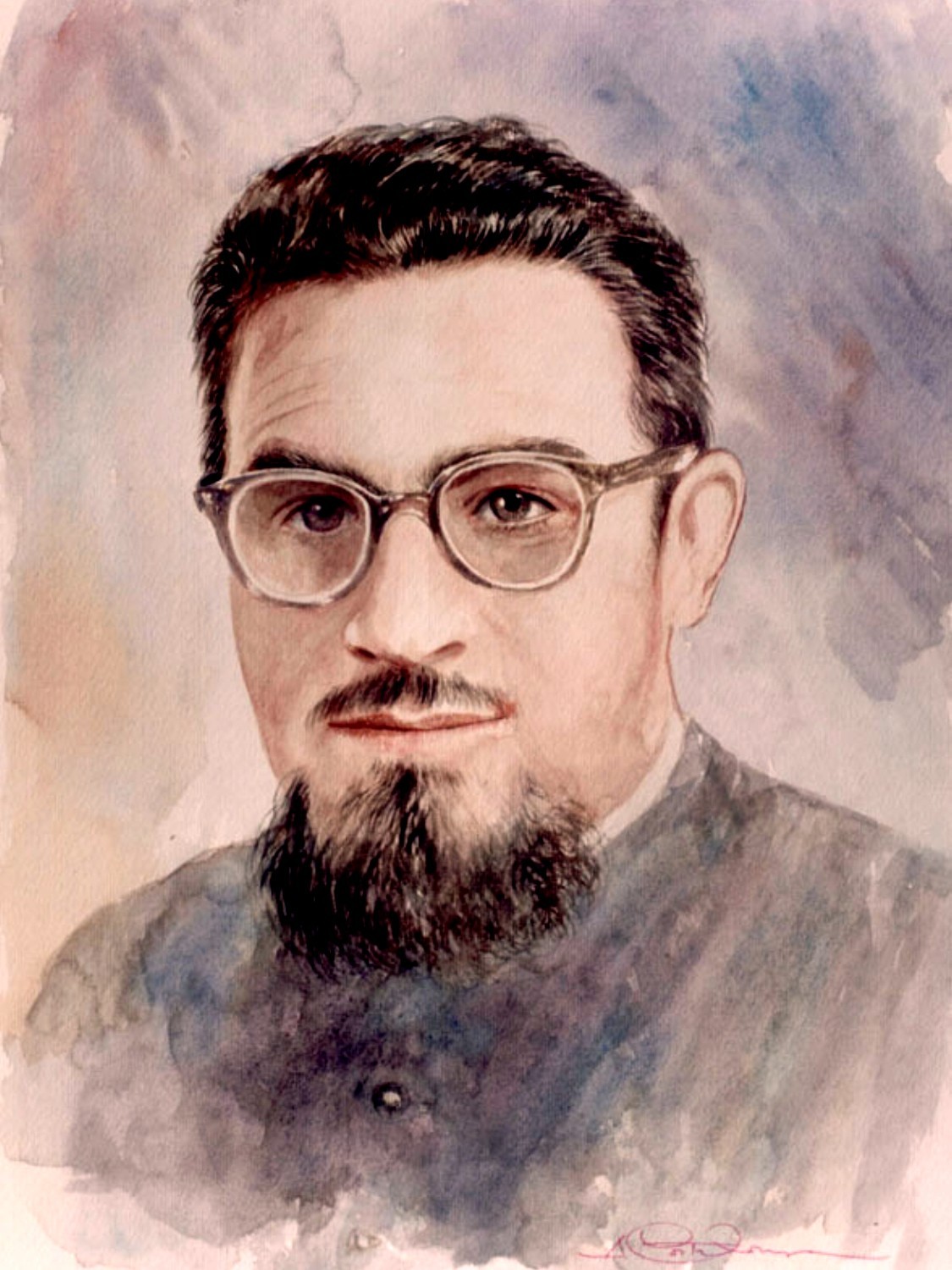


P. Giovanni Didonè
Cusinati di Rosà (Vicenza), 18 Marzo l930
Fizi (R.D. Congo), 28 Novembre 1964
Missionario in Congo, ucciso durante la rivolta dei Simba. Di anni 34. Sepolto a Fizi (Zaire)
Nacque a Cusinati di Rosà (VI) il 18.III.l930 da Angelo e Marchetti Maria in una famiglia numerosa, allietata dalla presenza di undici figli, 5 femmine e 6 maschi: 4 sorelle si consacrarono nella vita religiosa; Giovanni e Camillo si faranno Saveriani e Severino diverrà Orionino del Piccolo Cottolengo.
Fece gli studi ginnasiali nel Seminario di Padova ed il 28.IX.l950 entrava tra i Saveriani a S. Pietro in Vincoli per fare l’anno di Noviziato. Emessa la Professione Religiosa il 12.IX.l951 completò gli studi liceali a Desio e quindi quelli Teologici a Piacenza.
Fu ordinato Sacerdote a Parma, in Casa Madre, nel Salone-chiesa, appena costruito, il 9.IX.l958, assieme a 19 Confratelli, per le mani del Vescovo Saveriano Mons. Dante Battaglierin.
L’anno dopo, il 3.XII.l959, partiva Missionario per il Congo, destinato alla Diocesi di Uvira: lavorerà per 5 anni a Baraka e quindi a Fizi, sulle rive del Lago Tanganika.
La sua vita missionaria è riccamente testimoniata da alcune sue lettere raccolte nel volume "P. Giovanni uomo per gli altri", pubblicato a cura del P. Vittorino Martini.
Nello stesso volume è riportato il racconto della sua barbara uccisione, avvenuta a Fizi il 28.XI.l964.
"... Il colonnello Abedi Masanga, un Babembe del Clan dei Balala, il 25 novembre aveva, subito una sconfitta terribile tesagli dalle truppe regolari coadiuvate dai mercenari: ben 700 suoi uomini Simba erano stati falciati dalle mitragliatrici!... Il giorno dopo egli dovette giustificare davanti ai parenti dei morti quella sonora sconfitta: tra l’altro essi erano stati uccisi dai bianchi e certamente - questa era l’accusa comune in quei giorni - guidati dalla "fonì" (la radio!) che i Missionari dovevano avere nascosta in qualche angolo della Missione... Una giustificazione per il clamoroso insuccesso patito fece nascere in lui l’idea di uccidere i Padri...! Dopo avere ucciso i Saveriani Fr. Vittorio Faccin ed il P. Luigi Carrara, la mattina dei 28 novembre nella Missione di Baraka, l’Abedi Masanga salì a Fizi, dove si trovavano il P. G. Didonè e l’Abbé Joubert. ... Dovevano essere le sei di sera, quando la sua jeep, dalla portiera sforacchiata e con ancora le tracce di sangue sui sedile anteriore, si arrestò davanti alla grande statua dell’Immacolata che dominava l’entrata della Missione di Fizi. Il P. Giovanni uscì dalla Chiesa con quella sua andatura così tipica, un po’ curva e strascicata come un venerabile cappuccino, bonario e sorridente... Neppure si accorse che l’Abedi lo stava già mirando con la pistola! Fu colpito in piena fronte da una prima pallottola: cadde... di schianto, senza un lamento, ai piedi di un alto albero di papaie... L’Abbé Joubert, che stava uscendo dalla casetta assistette impietrito al massacro; fu un istante di fatale sorpresa! Tentò poi di slanciarsi a capofitto giù nei ripido pendio a pochi passi dalla casetta di legno:.. troppo tardi! Una pallottola lo colpì al cuore..."
Fr. Giovanni Didonè
Cusinati di Rosà (Vicenza), 18 Marzo l930
Fizi (R.D. Congo), 28 Novembre 1964
A rebel leader shot Fr. John Didonè at close range just outside the church in Fizi (Congo) on Nov. 28 1964, after he had killed Br. Victor Faccin and Fr. Louis Carrara at Baraka. Next victim in line would be the local associate priest, Abbè Anastasio Joubert. Fr. John Didonè was 34 years old, born at Cusinati di Rosà (Vicenza) on March 18 1930.
He was the fourth of eleven children, educated with Christian values. Four of John’s sisters joined the religious life and two of his brothers became religious priests. John’s father had no objections to his son becoming a priest, provided he joined the diocesan clergy. He was, however, apprehensive at the thought of his son becoming a missionary. Consequently, John joined the diocesan seminary in Padua. He entered the Xaverians at S. Pietro in Vincoli on Sept. 28 1950, for the year of Novitiate. He professed religious Vows on Sept. 12 1951, and then completed his theology studies at Desio and Piacenza.
He was ordained deacon by the Xaverian bishop Dante Battaglierin on Sept. 20, 1958 and, 45 days later, he was ordained priest on Nov. 9 1958. Some days later he wrote to his sister: “I cannot describe how I feel when I approach the altar. Pray for me, that I never get used to being a priest or celebrating Mass. I am more convinced than ever that I owe all I am to the infinite mercy and kindness of God, and to the Virgin Mary: may all honor and glory be theirs.”
On Dec. 3 1959, he leaves for Congo. During the five years he worked in the diocese of Uvira (in the Congolese province of Kivu) he was assigned to various missions: Uvira, Baraka, Fizi, Kiliba. These places lie along the western bank of lake Tanganika and are not far from the border with Burundi.
Baraka was home to various ethnic groups, among whom were the Banyarwanda, people who had come from Rwanda to seek refuge in the Congo. Renowned for cattle raising, they set up home in the mountains around Uvira. Many of them were very tall, and Father John would say he would need a ladder to baptize them.
When Bishop Danilo Catarzi decided to found a mission in Kiliba, a locality along the road that connected Uvira to Usumbura, capital of Burundi, Father John was among the first to be sent there. The mission of Kiliba was set up to provide spiritual assistance to the thousands of people who had been drawn there by the opening of the large Sucraf company sugar factory.
In the late spring of 1962 Father Didonè was sent to Fizi to build a church for his community. Bishop Catarzi supported him in this enterprise through his concrete help: almost all the material for the church came from Uvira, the town where the bishop resided. The church was consecrated on February 11, 1963. It was a simple but decorous building capable of holding about 500 people.
The Holy Week celebrations in 1963 gave him some of the greatest satisfactions in his missionary apostolate. Writing to his family on April 28, 1963, he commented: “I have spent a golden and wonderful Easter. I don’t believe there has ever been a more tired, nor a happier, priest at an Easter Vigil. For three weeks I prepared a group of about seventy catechumens for baptism, with two lessons each day; on Holy Saturday night, 86 new Christians were baptized. Our new little church was spectacular on that occasion: it was full of people, the candidates in ten rows, anxiously awaiting baptism. It was a truly beautiful and moving experience to see their example of faith.”
Father Didonè showed an astonishing and disarming spiritual strength and candor in this letter. Though he was well aware of the unstable social and political situation, he was completely taken up by his evangelizing activity, sowing the seeds of hope for the future. In a letter from Fizi to his sister Amabile, he wrote: “Things would be so much easier here if we had some sisters to help us, though I mustn’t complain too much. The political situation has touched rock bottom and we live in a state of inertia. In the absence of an established legitimate authority everyone tries to take charge.”
On Nov. 28, 1964, Brother Victor Faccin and Father Louis Carrara were killed at the mission in Baraka by a second rate guerrilla chief, Abedì Masanga, a self-proclaimed colonel. On the same day, the bloodthirsty revolutionary went to Fizi, traveling 15 miles along a difficult road; during his journey he had ample time to rekindle the deep-rooted hatred in his heart for the fathers of the Fizi mission. At about 6 pm, Masanga’s jeep arrived at the mission of Fizi, its front seat soaked with the blood of brother Faccin. Masanga got out of the car and called Father Didonè: no sooner had the missionary come outside when a bullet hit him in the forehead. He fell without a sound. Abbé Atanasio Joubert, who was following Didonè, had just enough time to grasp the tragic nature of what was happening. He hesitated briefly, then tried to escape, but it was too late. He was shot in the heart and fell dying among some bushes.
A few months after the death of Fr. John, the Xaverian Fr. Victor Ghirardi found a letter he had written to one of the catechists, that said: “We, missionaries, are here in Fizi, far from our homeland, but God is everywhere, watching over us. Let us be strong! Do not fear that the missionaries will return home: they would rather die than abandon you. Do not listen to lies. We have been sent here to stay in the mission of Fizi.” (Fizi, Nov. 9, 1964)
Père Giovanni Didonè
Né à Cusinati di Rosà (Vicence – Italie) le 18.03.1930
Décédé à Fizi (R.D. Congo) le 28.11.1964
34 ans. Missionnaire en RDC à Baraka, Kiliba et Fizi
Un homme qui meurt martyr pour ses brebis.
Giovanni naît à Cusinati di Rosà (Vicence, Italie), le 18 mars 1930. Il a cinq frères et cinq sœurs. Sept d’entre eux entrent dans la vie religieuse : trois prêtres et quatre sœurs religieuses. Il était assidu au catéchisme, nous dit sa grande sœur Tecla. Il le suivait attentivement. Quand il rentrait à la maison, il aimait répéter la leçon apprise, surtout les épisodes des Evangiles. Il lisait souvent le Nouveau Testament qu’il portait toujours sur lui.
Le petit Jean entre au petit séminaire qu’il fréquente cinq années. Il entre dans la communauté des missionnaires xavériens à San Pietro in Vincoli pour le noviciat, le 28 septembre 1950. Après avoir fait sa première profession religieuse, le 12 octobre 1951, il termine l’école secondaire à Desio (Milan) et il poursuit à Piacenza ses études de théologie. Il est ordonné prêtre à Parme le 09 novembre 1958, un mois après l’arrivée au Congo des six premiers confrères dans cette nouvelle mission. Le père Didonè y est affecté également. Quelques jours après son ordination, il écrit à sa sœur : Je ne saurais pas exprimer ce que je ressens le matin en montant à l’autel. Prie pour moi pour que je célèbre toujours la Sainte Messe comme si c’était la première fois, loin de la routine et du poids des habitudes. Je m’aperçois en ces jours que c’est grâce à la bonté infinie de Dieu et à sa miséricorde que je suis ce que je suis maintenant.
Après un stage de langue française, en Belgique, il part au Congo le 03 décembre 1959. Il étudie le kiswahili à Kalambo, il l’exerce pendant quelques mois à Baraka, il termine son initiation à la mission à Kiliba, sous la conduite du père Viotti. Il rentre encore à Baraka pour se préparer à ouvrir la mission de St Jean Baptiste à Fizi, à l’époque considérée comme succursale de Baraka. L’église de Fizi sera consacrée le 11 février 1963.
Il se révèle marcheur infatigable et baptiseur inlassable. En un mois il parcourt 400km des 1200 km du périmètre de la mission de Baraka.
Il meurt martyr, la nuit du 28 novembre 1964, avec le prêtre diocésain congolais Athanase Joubert. Le bourreau est toujours le même : le colonel Abedi Masanga, muleliste. Il venait de tuer le frère Faccin et le père Carrara, à Baraka, le matin même. Ayant parcouru 29km de route sinueuse et tourmentée, il descend d’abord au quartier général où il rencontre le général Shabani qui s’oppose au prochain assassinat de Fizi. Si tu tues les prêtres de Fizi, quel avantage en auras-tu ? Masanga lui répond : Puisque ceux de Baraka sont morts, pourquoi ceux de Fizi devraient-ils vivre ? C’est la logique de la violence qui conduit ce petit chef de la révolution. Vers 18h, il arrive devant l’Eglise de Fizi. Il appelle à haute voix le père Didonè. Le missionnaire n’a même pas le temps de sortir qu’un projectile l’atteint au front. Il tombe sans un cri. L’abbé Athanase, qui le suivait, est tué peu après.
Extrait de la lettre du père Didonè au catéchiste Pupu Raphaël, responsable de la Communauté Ecclésiale Vivante de Ngandja, succursale de la Mission de Fizi. La lettre date du 09 novembre 1964, une vingtaine de jours avant sa mort.
Mon bien aimé Raphaël,
(…) Je t’écris pour te donner un peu d’espérance pour les jours à venir. Soyez des hommes debout, je vous en supplie. Ne perdez pas votre élan. Dieu est là parmi nous. Ceux qui désespèrent ne reçoivent pas facilement la miséricorde de Dieu. C’est au moment de l’épreuve que nous pouvons justement témoigner de notre foi et de notre amour pour Dieu.
Vous voyez, nous, les pères, nous sommes à Fizi. Bien sûr, c’est loin de chez vous. Mais Dieu est partout et il nous assiste tous. Soyons debout. Ne pensez pas que les pères rentreront chez eux. Sachez-le bien : plutôt que de rentrer chez eux, les pères préfèrent mourir dans leur mission. Ne donnez pas cours à de fausses rumeurs. Nous avons été envoyés pour rester ici, à la mission de Fizi.
Je ne viendrai pas chez vous durant cette période car je ne le peux pas et vous en comprenez bien la cause. Mais vous me verrez, je ne sais pas quand, mais vous me verrez certainement. Soyez debout, ne lâchez pas, je vous en prie. Autrement vous n’obtiendrez pas facilement la miséricorde. Souvenez-vous que Dieu est là. Ces mots suffisent à ceux qui ont foi et amour.
(cf. A. COMUZZI, Giovanni Didonè, in R. AGASSO, A. COMUZZI, A. LUCA, Con loro, sempre. Missionari Saveriani martiri della carità pastorale, éd. CSAM, Brescia 2000)