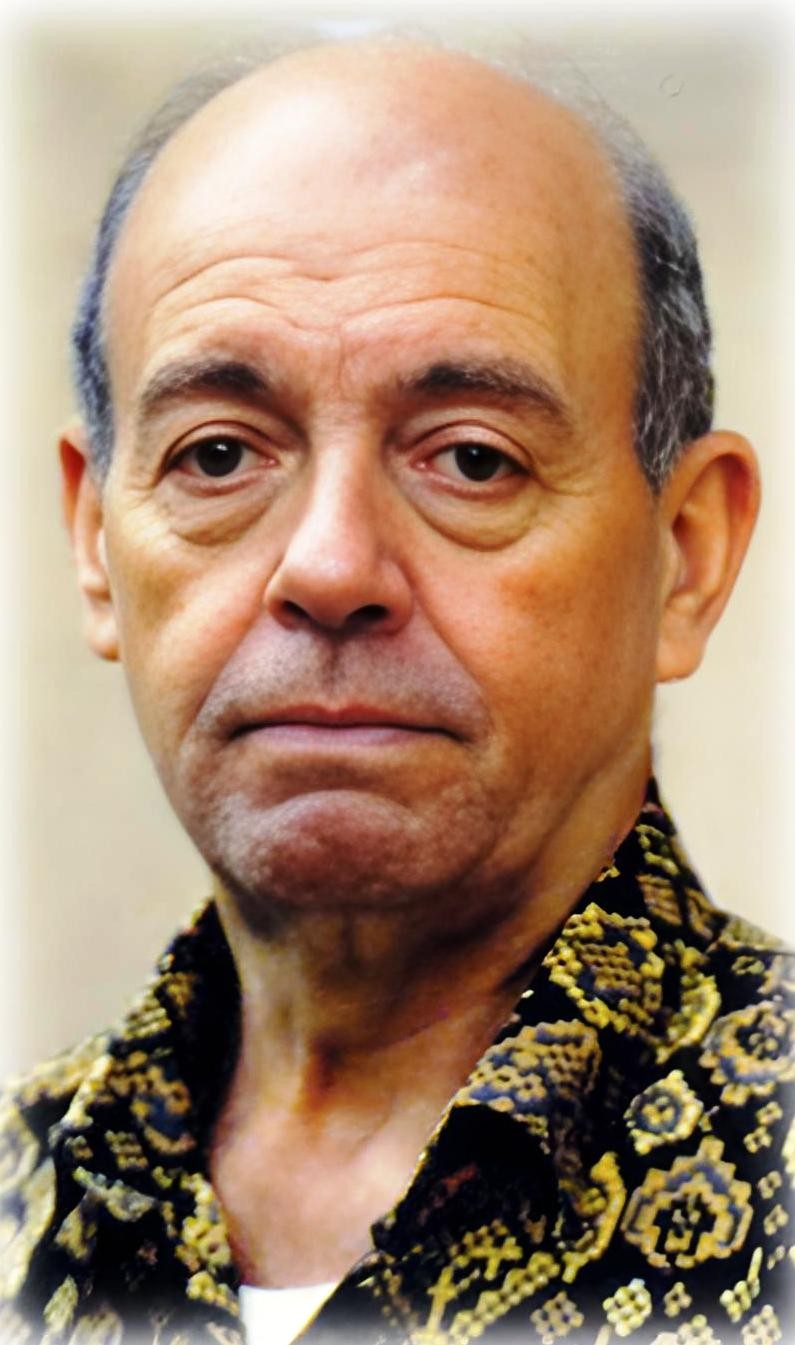


P. Pasquale Ferraro
Massaquano di Vico Equense (Napoli), 20 dicembre 1937
Parma, 3 maggio 2014
Il 3 maggio 2014, a Parma in Casa Madre verso le 23.00 è morto per infezione polmonare P. Pasquale Ferraro.
Aveva 76 anni compiuti, essendo nato a Massaquano di Vico Equense (Napoli – Italia) il 20.12.1937.
P. Pasquale maturò la decisione di diventare missionario mentre era nel Seminario diocesano di Sorrento: “Mi appassionai alla lettura delle riviste missionarie e la conoscenza di tanti infedeli, di tanto dolore nel mondo, mi condusse a decidermi a farmi missionario. La decisione avvenne in terza Media, ma solo in terza Liceo potei realizzare il mio sogno”.
Entrò all'Istituto a S. Pietro in Vincoli nel 1960. Emise la Prima Professione il 3.10.1961. Fu quindi a Parma dove frequentò la Propedeutica e i quattro anni di Teologia. Fu ordinato presbitero a Parma il 17.10.1965, con una cordiale presentazione da parte dei formatori: “È uno dei tipi più caratteristici della comunità; la nota allegra di ogni conversazione ... facilità di simpatizzare con tutti e si avvale di questa dote per fare del bene. È infatti molto zelante. Lavorerà con successo con la gente semplice, di cui sa accattivarsi la simpatia col suo tipico modo di fare spontaneo e bonario”.
Alla fine degli studi teologici i Superiori lo destinarono all’Indonesia che raggiunse nel dicembre del 1967 e dove lavorò fino al 2009: per tutta la sua vita. Iniziò il servizio missionario a Bagansiapi-Api (’68-’71), poi a Pekanbaru con cura di Duri e Isole Rupat (’68-’72), a Dumai (’72-’81), ancora Pekanbaru (’81-’96), a Sawahlunto (’96-’06) e infine ministero a Padang (’06-’09).
Scriveva ai Superiori, dopo i primi cinque anni di missione in Indonesia: “Ho posto sempre un entusiasmo grande nel mio lavoro. A volte ho stentato ad accettare quelle che si chiamerebbero prove. Eppure queste mi hanno dato tanta esperienza, mi hanno aperto tante possibilità; le sconfitte si sono rivelate spesso nuove vie per il Vangelo. ... Ho cercato di portare un po’ di fermento nella massa mai avvicinata dal cristianesimo. Il seme è gettato, la lotta è incominciata e se anche dovesse finire solo dove sono arrivato pure mi basterebbe perché ho insegnato a pregare a coloro che mai avevano sentito parlare di Cristo, ho portato la carità disinteressata dove mai se ne era parlato da quando il mondo fu creato. Non solo. Questo quinquennio è risultato per me il corso più intensivo e impegnativo di conoscenza e collaborazione con i confratelli, i Superiori, e la gente”.
P. Pasquale ha svolto la sua attività missionaria prevalentemente tra gli ultimi, i dimenticati: gruppi etnici minoritari e immigrati, dispersi nella foresta tropicale e nell’arcipelago del Riau.
Un campo di lavoro veramente vasto e tra persone che avevano bisogno di tutto. “Aprire una nuova stazione missionaria - scriveva su Missionari Saveriani, luglio 1977 - vuol dire: costruire un capannone multiuso, scuola-chiesa-casa per il catechista, una stanzetta per le medicazioni, una cameretta per il Padre che passa per le visite alle comunità e infine impegnarsi a mantenere un maestro catechista per almeno cinque anni”. Il lavoro del Padre consisteva poi nel dirigere la scuoletta, guidare i maestri catechisti, visitare le varie comunità, curare gli ammalati e favorire lo sviluppo integrale della persona. Al riguardo nell’arcipelago del Riau si ricordano ancora la ‘rivoluzione delle zappe’, gli inizi della coltivazione della manioka, del sagu, delle noci di cocco, dell’allevamento di animali domestici; le lampare, le biciclette, i ritrovati di medicina naturale, ‘la pietra nera’ contro la droga e i morsi dei serpenti.
“La gioia più grande – dichiarò a Mondo e Missione, marzo 2004 - è vedere che la Parola di Dio porta frutti di vita umanizzata, di pace dove c'era guerra, di gioia, di unità dove c'era divisione, di miglioramento delle condizioni familiari, sociali e anche economiche. Capisci che i sacrifici che fai non sono inutili.
Agli inizi della missione sono stato un mese tra gli Akit. Quando sono ripartito, è venuto tutto il villaggio ad accompagnarmi fino alla barca, parecchi anche adulti piangevano. Allora ho preso la decisione di ritornarci”.
Riposi in pace.
Fr. Pasquale Ferraro
Massaquano di Vico Equense (Napoli), 20 dicembre 1937
Parma, 3 maggio 2014
Fr. Pasquale died on 3 May 2014, in the Mother House, Parma. Born on 20 December 1937, in Massaquano di Vico Equense (Napoli – Italy), he was 76 years old.
Fr. Pasquale took the decision to become a missionary when he was a student at the diocesan seminary of Sorrento: “I became fond of reading missionary magazines which informed me of the many pagans and great suffering in the world, and this led me to the decision to become a missionary when I was in the third year of junior high school; however, I was in the third year of senior high school before I was able to fulfill my dream”.
He joined the Institute at S. Pietro in Vincoli in 1960 and made his First profession on 3 October 1961. He then moved to Parma where he attended the preparatory year and four years of theology. He was ordained priest in Parma on 17 October 1965. His formators wrote in their report: “He is a very cheerful young man; he gets along easily with everyone and he uses this quality to do good. He is very zealous and will be successful in working with simple people, attracting them with his typical spontaneous and good-natured way of behaving”.
Upon conclusion of his theology studies, the Superiors assigned him to Indonesia; he arrived in December 1967 and worked there until 2009.
He began his missionary service at Bagansiapi-Api (1968-71); he then moved to Pekanbaru, where he looked after Duri and the Rupat islands (1968-72). He served in Dumai (1972-81), once again in Pekanbaru (1981- 1996), then Sawahlunto (1996-2006) and, finally, he worked in the pastoral ministry at Padang (2006-09).
After the first five years of mission in Indonesia, he wrote to the Superiors: “I have always been very enthusiastic in my work. Sometimes I have struggled to accept trials, yet they gave me experience and many opportunities; defeats have often proved to be new paths for proclaiming the Gospel. … I tried to bring Christianity to places where it was unknown. The seed has been sown, the struggle has begun and, if nothing else, at least I have taught people to pray who had never heard of Jesus Christ. I have taken selfless love to places where it had never before been mentioned. Furthermore, these five years have been the most intense and demanding experience of knowledge and collaboration with the confreres, the Superiors and the people”.
Fr. Pasquale carried out his missionary activity mainly among the last and most forgotten people: minority ethnic groups and immigrants, scattered throughout the tropical forest and in the archipelago of Riau.
A field of work that was truly vast and among people that needed everything. In July 1977, he wrote in Missionari Saveriani: “To open a new missionary station means: building a multi-purpose outbuilding, a school-church-house for the catechist, a small room for medications, a small bedroom for the priest who visits the communities and, finally, the upkeep of a catechist for at least five years”. The work of the priest consisted in directing the small school, guiding the catechists, visiting the various communities, looking after the sick and promoting the integral development of the person. In connection with the archipelago of Riau, they remember the ‘revolution of the hoes’, the cultivation of manioc, sago and coconuts and the rearing of domestic animals; the fishing lights, bicycles, invention of natural medicines, ‘the black stone’ against drugs and serpent bites.
In an interview with Mondo e Missione in March 2004, he said: “The greatest joy is to see that the Word of God bears fruit in a more human life, in bringing peace where there was war, the joy of unity where there was division, and an improvement in the family, social and economic conditions. It is then you understand that the sacrifices you made were not in vain.
At the beginning of my mission I spent a month among the Akit. When I left, the whole village accompanied me to the boat and several adults were crying. That was when I took the decision to return there”.
May he rest in peace.