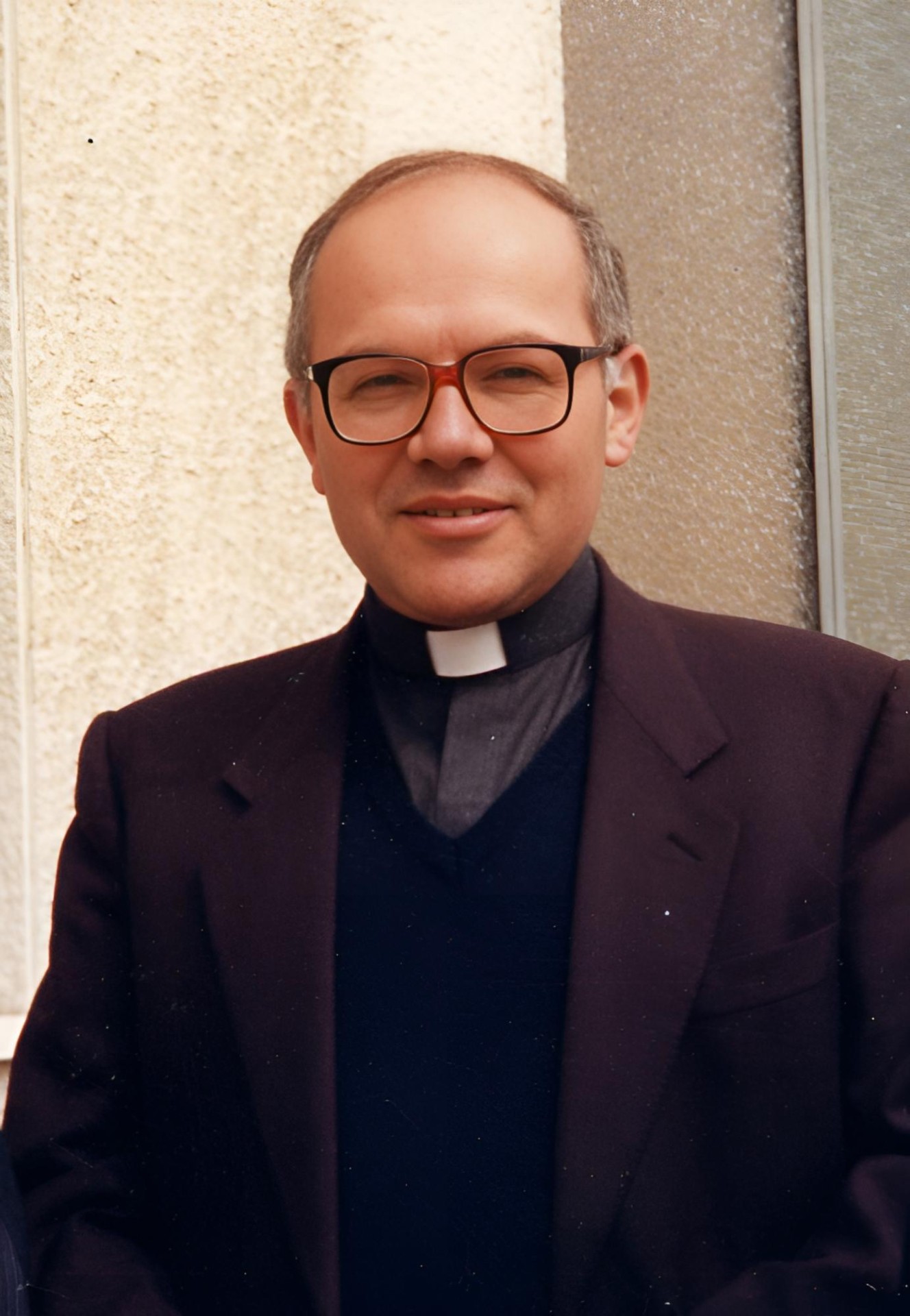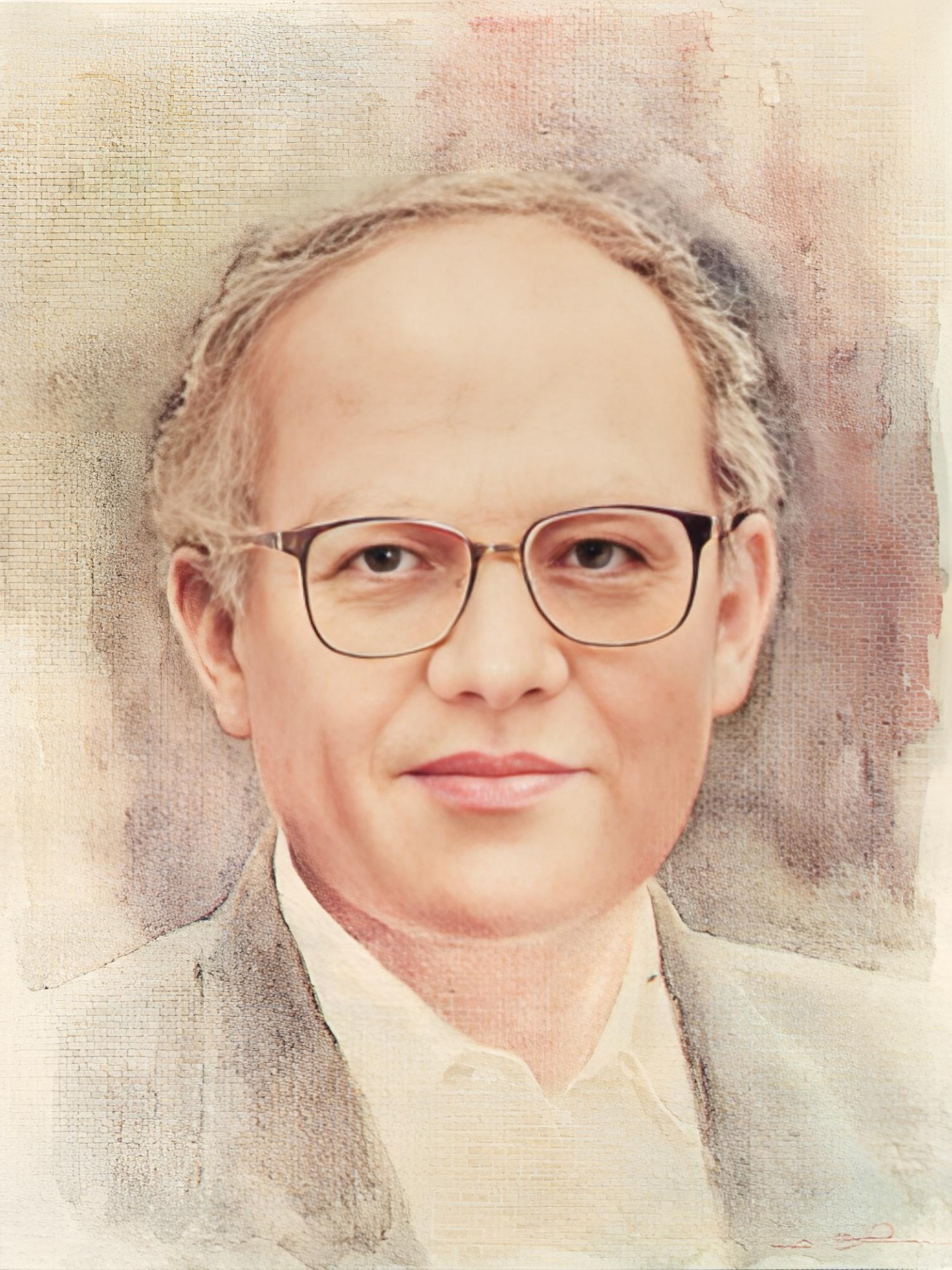


P. Ottorino Maule
Gambellara (Vicenza) - 7 aprile 1942
Buyengero (Burundi) - 30 settembre 1995
- Nasce il 7 aprile1942 a Gambellara (Vi).
- Il 3 settembre 1959 Ottorino diciassettenne, dopo il ginnasio nel seminario di Vicenza, si presenta dai Saveriani a San Pietro in Vincoli presso Ravenna.
Vuol diventare missionario.
- Fa la professione religiosa il 3 ottobre 1960.
- E' ordinato sacerdote il 15 ottobre 1967, venticinquenne, mentre tanti suoi coetanei si preparano alla contestazione sessantottina.
- Un anno di teologia, poi eccolo a Roma, dove prende la licenza in Liturgia.
- Nel maggio del '70 lo destinano al Burundi. Ci arriva il 3 settembre, dopo lo studio del francese a Parigi.
- Nel 1971 è mandato a Rumeza per un anno di apprendistato.
- Altro spostamento a gennaio del '72. Va a Minago, con i pp. Pedrotti e Marchetto, poi arriverà anche don Corrado Marangone, prete fidei donum della diocesi di Udine. Dopo tre mesi che è lì, scoppia l'inferno. Le due etnie burundesi, da sempre contrapposte, prendono le armi. Sarà un massacro.
- A fine ottobre 1975 chiedono a p, Maule di andare per un po' ad aiutare la missione di Murago. Quattro mesi dopo, febbraio 1976, lo mandano a fare il responsabile a Rumeza, dove resterà tre anni.
- Ad aprile del 1979 deve tornare in Italia. Obbedisce. E' già in patria da due mesi quando viene espulso dal Burundi: è tra i settanta missionari cacciati dal dittatore Bagaza.
- I superiori l'hanno richiamato per affidargli la formazione dei giovani futuri missionari. Va a Zelarino, presso Venezia, insegnante per l'anno scolastico 1979-'80, rettore dall'81 all'84.
- 30 aprile 1984: viene eletto dai confratelli Superiore Regionale d'Italia, cioè responsabile di tutti i Saveriani e di tutte le comunità del Paese. Alla scadenza del mandato, nel 1987, è rieletto per un secondo triennio.
- Esaurito il mandato, il 26 aprile 1990 è destinato di nuovo alla missione, di nuovo al Burundi. Passa un anno di studio a Parigi. Poi, il 7 settembre 1991, arriva a Buyengero.
- A gennaio del 1995 p. Modesto Todeschi si trasferisce a Bujumbura. A sostituirlo arriva un friulano sessantacinquenne, un po' acciaccato e stanco, ma pieno di voglia di fare. E' p. Aldo Marchiol, viene a condividere gli ultimi nove mesi di vita di padre Maule. Insieme a loro c'è la volontaria laica dell'associazione LVIA di Cuneo, Catina Gubert, "una leonessa" la definisce in una lettera padre Maule, settantatreenne, nata a Fiera di Primiero in provincia di Trento l'8 dicembre 1921. Lei pure ha i capelli bianchi e il sorriso pronto. Lei pure dice a parenti e amici: "Se muoio, lasciatemi laggiù".
- Una breve parentesi in Italia, nel maggio 1995, per il XIII Capitolo generale e centenario dell'Istituto saveriano, un saluto all'anziana mamma, che sarà l'ultimo, e p. Ottorino a luglio è già di nuovo in Burundi.
- Il 21 agosto è riunito con i confratelli a Bujumbura ad affrontare il tema "Perché restare?". Ma quel titolo non gli piace e lo dice subito: "E' sbagliato mettere il punto interrogativo. Non dobbiamo mettere in discussione se restare, ma solo il modo di restare". E confida a un amico: "E' vero. Una sana igiene mentale consiglierebbe ogni tanto di staccare la spina, di uscire dal Paese e, per un po' di tempo, di pensare ad altro. Ma come si fa? Loro non possono permetterselo, perché dovremmo permettercelo noi?".
- Le ultime parole dell'ultimo scritto sono di amore e di speranza: "Comunque, coraggio e fiducia nel Signore. A tutti voi, vicini e lontani, i miei più affettuosi saluti e auguri di ogni bene". -
- La lettera arriva a Gambellara il 30 settembre 1995. Mentre p.Maule muore. Vengono tre soldati, prendono lui, p. Marchiol e Catina, li fanno inginocchiare, sparano a bruciapelo.
Fr. Ottorino Maule
Gambellara (Vicenza) - 7 aprile 1942
Buyengero (Burundi) - 30 settembre 1995
On Saturday, Sept. 30 1995, around 7:00pm, Frs. Ottorino Maule (54 years old) and Aldo Marchiol (65), and lay volunteer Katina Gubert (75) were gunned down at the rectory of the mission church of Buyengero (Diocese of Bururi, Burundi). They had been serving the people of Burundi for many years, in order to “alleviate sufferings, search ways to share hope, and tell people that it is possible to live reconciliation, pardon, together.” (From a letter of Fr. Maule).
This tragic killing is the sour fruit of a climate of violence which, from the Coup of Oct. 21 1993, has inflicted a great number of innocent victims, among them many catechists, priests, and local religious. Unfortunately no one has been found responsible for this shedding of blood.
P. Ottorino Maule was born in Gambellara, Vicenza (Northern Italy), on April 7, 1942, during the Second World War. His was a very Christian family: four of his sisters became religious sisters (Chiarina and Urbanina, Dorotee of Vicenza; Giuliana and Patrizia, Dominicans of Blessed Imelda) and another brother became a missionary (Luigi, Somaschi Fathers). On Sept. 3, 1959, when he was 17 years old; Ottorino left the diocesan seminary in Vicenza where he had been studying and knocked on the door of the Xaverians in San Pietro in Vincoli, near Ravenna. He made his first religious profession on Oct. 3 1960 and was finally ordained priest at the age of 25, on Oct. 15, 1967. When he finished his basic theology courses one year later, he was sent to Rome where he obtained a degree in Liturgy.
After this, with great joy, he leaves for Burundi in 1970, where he works at Muyange, Rumeza, Minago and again in Rumeza, until 1979, when he accepts with much sacrifice to return to Italy. Two months after his return home, he learned that he had been officially expelled from Burundi by the regime of the dictator Bagaza He was assigned to work in the formation of future missionaries in Zelarino, near Venice. He worked there until 1984, but he had left his heart in Africa.
On April 30, 1984, Father Maule was elected Regional Superior of Italy and, at the end of his mandate in 1987, he was re-elected for a second three-year term. During those six years he visited, encouraged, comforted and advised the Xaverians in Italy. They were not easy times: the social and religious situation of Italy was undergoing dramatic changes, and the traditionally fertile areas for vocations were now in crisis. Vocation numbers fell, the houses were empty and it was also difficult to find Xaverians willing to work in such circumstances. Father Ottorino traveled the length and breadth of Italy, taking part in the communities’ planning, meetings, proposing, discussing and, sometimes, he came up against opposition on account of his resolute character. Even after heated discussion, however, Father Ottorino had no problem returning to the calm person everyone knew. He was always capable of distinguishing between persons and problems.
When his second mandate as Regional Superior in Italy ended on April 26, 1990, Father Maule was assigned once again to the mission of Burundi. On Sept. 7, 1991, he arrived in Buyengero after a year of studies in Paris. He was 49 years old.
A journalist asked him why he was leaving again for Africa at his age, when there was so much need of priests at home. He replied: “Many people ask me the same question. The reply is simple: there are many vocations in the Church; mine is to announce Christ in far-off countries where he is not yet known, where the Church is still in its infancy, or does not even exist yet; my vocation is to go to these people, to bear witness to the love Christ among them, to live with them, share their joys and sufferings. When I left for the first time 21 years ago, I was full of youthful enthusiasm; today, it is my fidelity to my missionary vocation that is behind my desire and decision to return.”
Back in Buyengero he found Father Modesto Todeschi, who later remembered the presence of Father Maule in that mission: “Thinking back to those days, I feel safe in saying that it was a great blessing to live and work alongside him. I miss his serenity in even the most trying moments, I miss his friendship and support. I remember his pastoral zeal and his love for the people entrusted to his care. He was very skilled at managing every kind of practical work, and he surely holds the record for the construction work carried out in Burundi: in a few years, the parish church, nine chapels in the outstations, classrooms, dispensaries and roads were all brought to completion.”
The 50 year old Father Ottorino Maule launched himself without reserve into the new missionary adventure in Burundi, a country torn apart by hatred and poverty to the extent that redemption seemed impossible. In March 1992, he wrote to the Superior General: “There is plenty of work to do and my health is good. The future, especially the political future, is still uncertain, as is the forthcoming referendum on the Constitution, and the political and administrative elections that will follow in the process towards the democratization of the country. I am an optimist, and I believe that everything will turn out well.”
Father Maule placed his hope in the first democratic elections held in June 1993; he was present at them as an observer. Naturally, the Hutu majority won. However, three months later, chaos returned: the President was assassinated and the civil war started again in which 100,000 people died, and hundreds of thousands became refugees. In 1994, another Hutu President was elected and he, too, was killed shortly afterwards. The blood of priests, sisters, and catechists was also shed; the ex-dictator Bagaza returned from exile and began his persecution campaign once again.
In the meantime, Father Maule made a brief visit to Italy where he took part in the General Chapter as an elected delegate from Burundi. He saw his mother for the last time and returned to Burundi in July. On August 21, he was present at a meeting during which the confreres discussed whether they should stay in the country. Father Maule replied that there was nothing to discuss; if anything, they should be talking about how they should stay, rather than if they should stay.
During that last summer of 1995, he wrote to his family often, almost every day, in what was a kind of spiritual testament in short episodes: “My health is ok, apart form the usual problems, but I don’t pay any attention to them ” (Aug. 15); “The situation is changeable and uncertain. Here, everything is well and even the soldiers who were here until a few days ago behaved themselves. A new contingent is due to arrive and I hope they do not give us any trouble. I met the local senior army official in Bururi and I asked him to tell the soldiers to respect the civilian population. Let’s hope they do” (Aug. 20); “Elsewhere, there are persistent reports of destruction and death” (Aug. 27).
The road of the prophet often leads to martyrdom. Father Maule was aware of this, but he did not turn back. The biggest challenge in Burundi consisted in searching for peace between the two ethnic groups. Father Ottorino helped everyone, but the Hutu were the biggest of the two groups and suffered more violence than the others. Consequently, Ottorino Maule was looked upon as an enemy by some Tutsi, an enemy to be eliminated. Like the prophets in the Bible, he raised his voice in defense of the weak and would not keep quiet about injustice, hatred, bloodshed. He was not just a pastor: he was a missionary, and the mission demands that the truth be proclaimed from the rooftops.
Frs. Ottorino and Aldo, together with volunteer Catina, remain true to their words, and suffered martyrdom for the mission on Sept. 30 1995. At Gambellara, just before the funeral mass in remembrance of the slain missionaries, the mother of Fr. Ottorino, Maria Assunta, who was 90 years old, approached Fr. Eduardo Garcia, vicar general of the Xaverians, and said: “Tell the General Superior to send more missionaries in Burundi, to take the place of my son Ottorino!”
May the Lord grant him Eternal Rest!