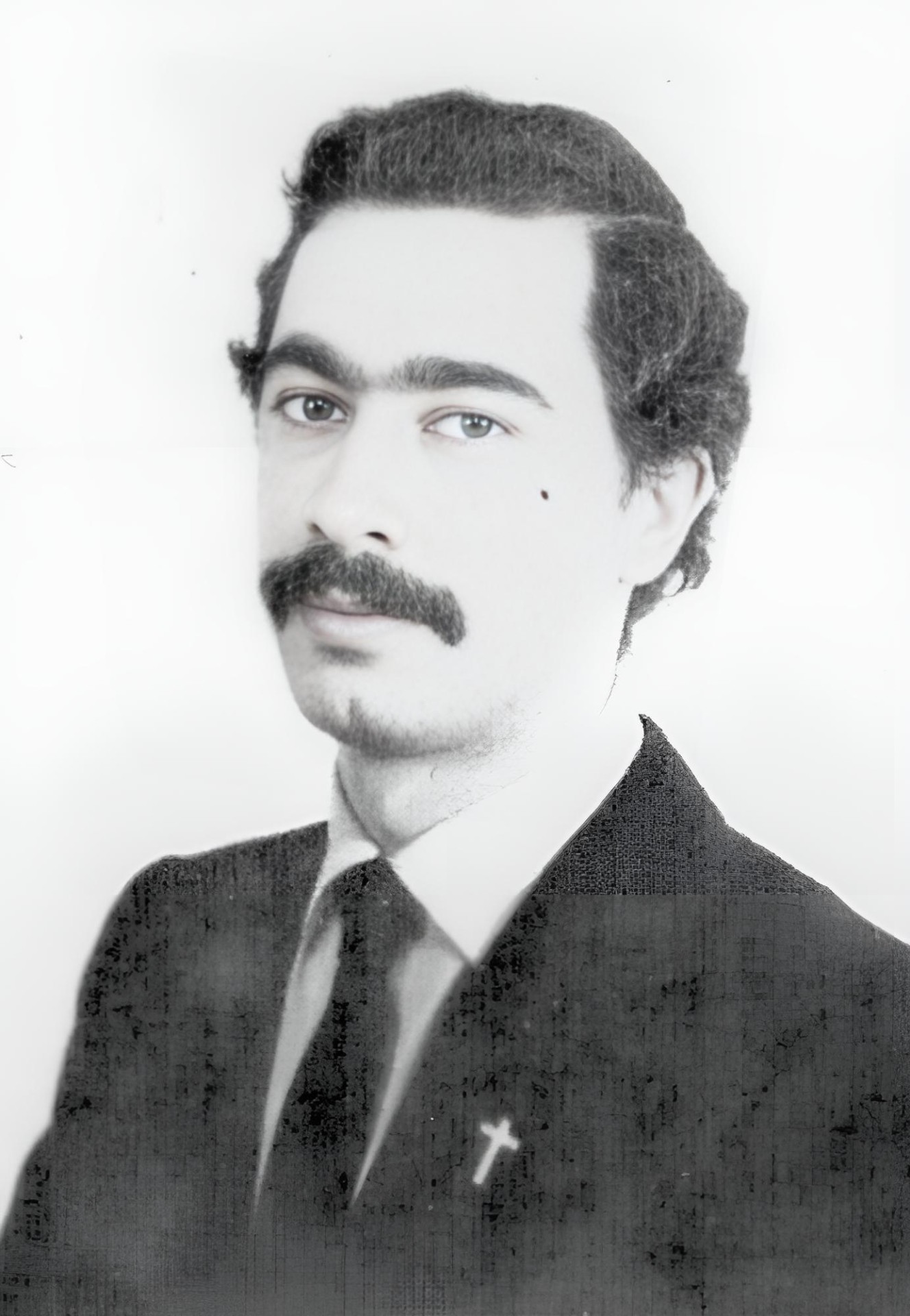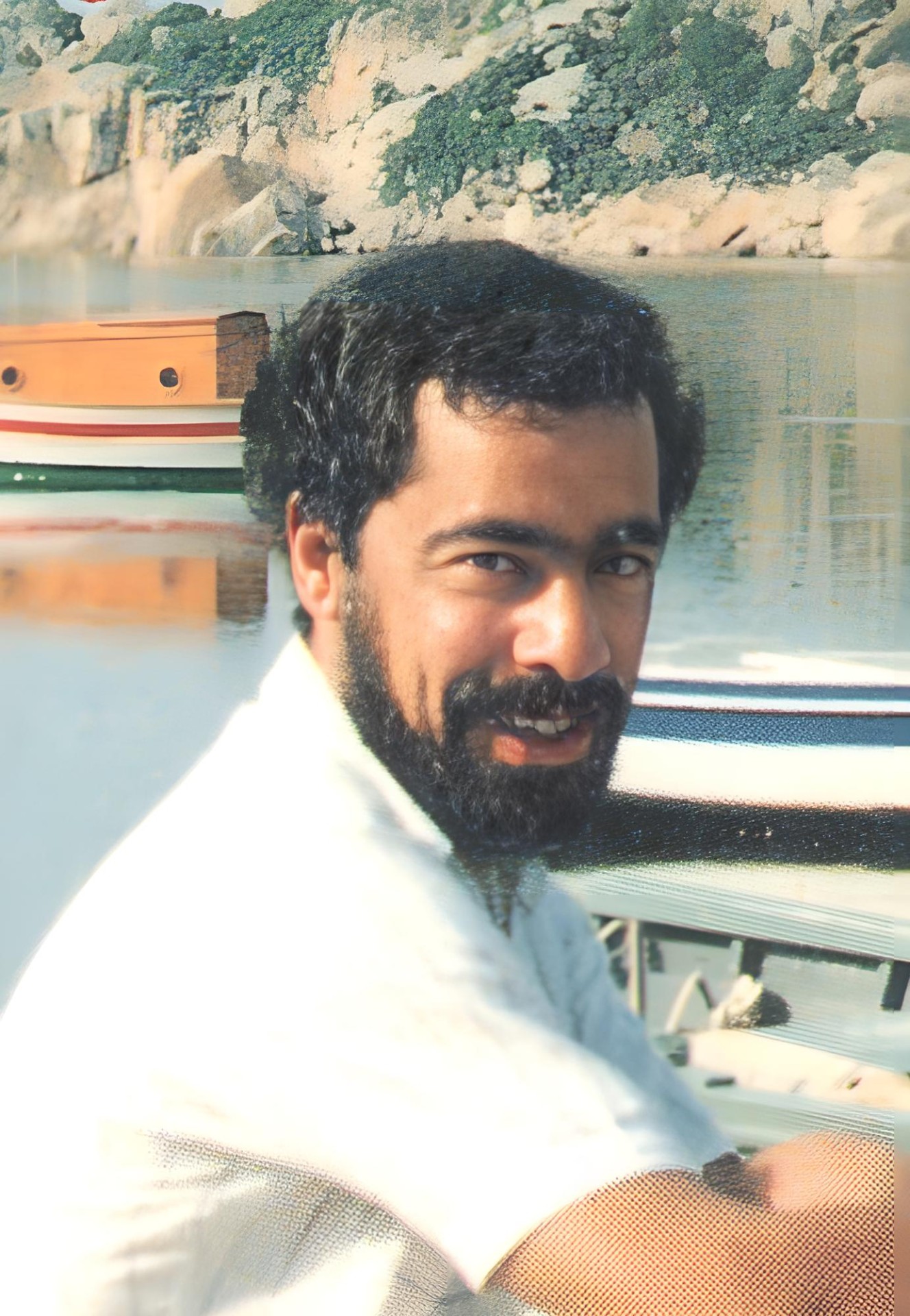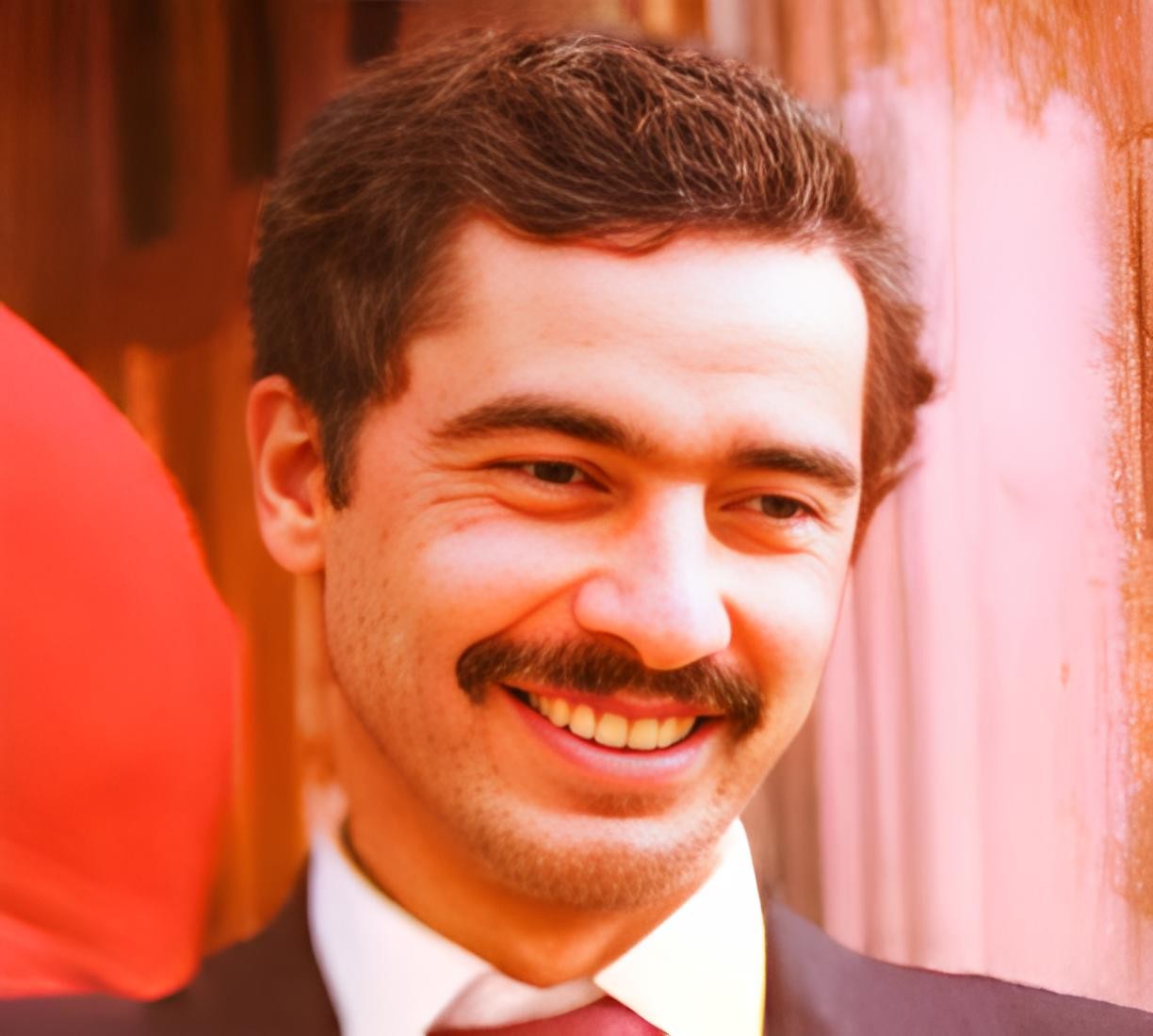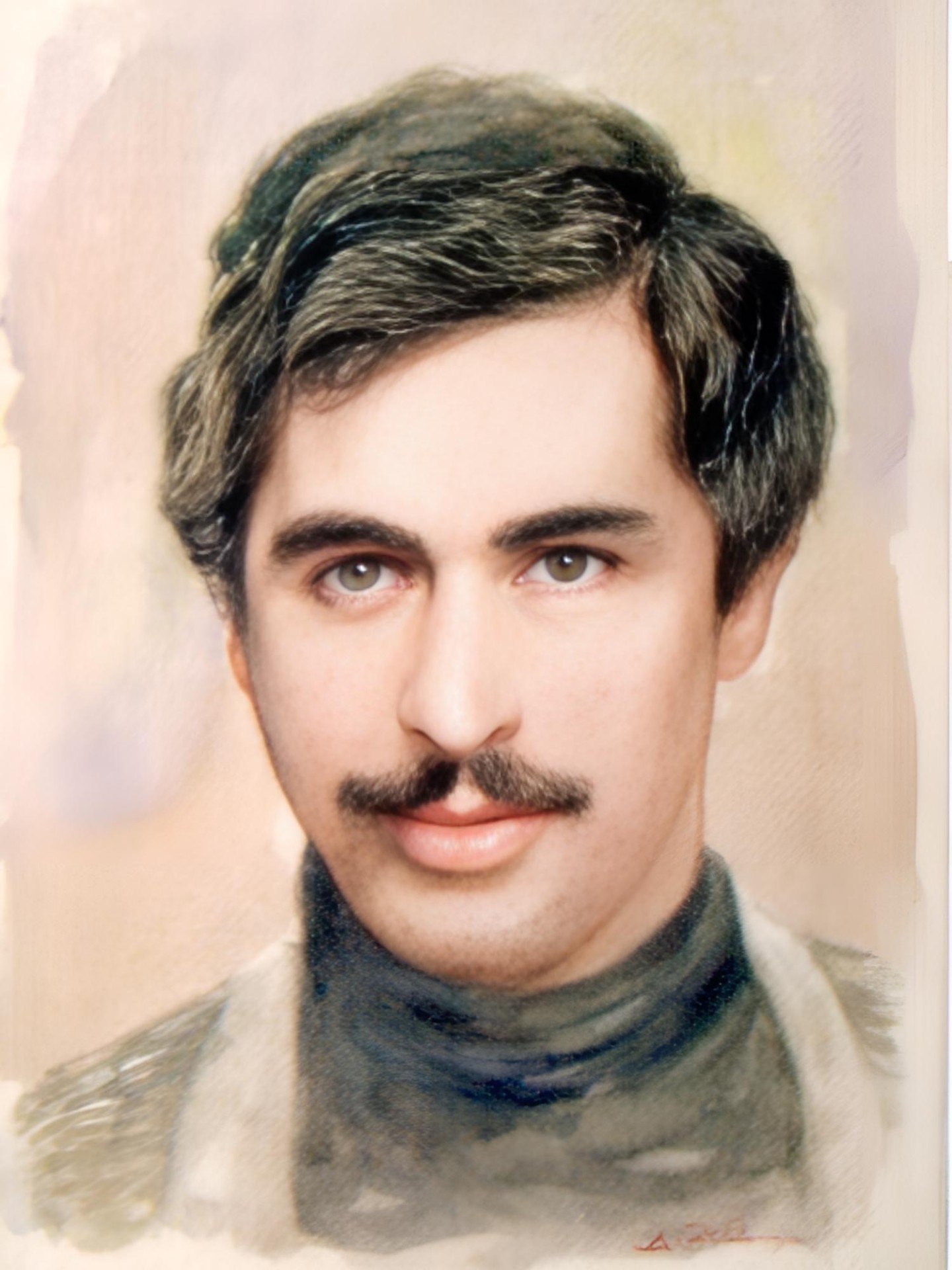


P. Salvatore Deiana
17 Luglio 1956 - Ardauli (Oristano)
16 Ottobre 1987 - Brasil Novo (Brasile)
- Nasce il 17 luglio 1956 a Ardauli, provincia di Oristano.
- In terza elementare, un giorno, viene a scuola un sacerdote vincenziano, padre Riva, che domanda ai bambini: volete diventare missionari? E Tore risponde di sì. "Mamma, ho dato la mia parola a un padre", dice un giorno Tore.
E la mamma: "Che parola?". "Voglio diventare missionario". "Figlio mio, ma se non lo capisco neppure io, come puoi capirlo tu che sei ancora in terza elementare?". Stessa risposta dal papà che adesso lavora a Cagliari: "Pensa prima a diventare grande e a studiare, poi si vedrà!".
- Alla fine della quinta elementare, Tore undicenne, va a Macomer, nella casa
- A settembre del 1973 arriva a Cagliari per il liceo.
- Nel settembre del '78, è ad Ancona per il noviziato.
- Il 1° settembre 1979, nella parrocchia anconetana di Cristo Divin Lavoratore, Salvatore Deiana fa la prima professione dei voti religiosi. Poi ritorna nella Sardegna amatissima, nella casa saveriana di Macomer per l'anno di assistenza ai giovani studenti.
- A settembre 1981 arriva nella casa madre di Parma per finire la teologia.
- Diventa diacono lo il 21 febbraio 1982.
- L'ordinazione avviene il 26 settembre 1982 nel palazzetto dello sport di Parma. - - Torna a Parma per l'ultimo anno di teologia, e per completare la formazione missionaria.
- Il 26 ottobre 1983 parte per il Brasile.
- La sua prima destinazione è la città di Belém.
- Ad aprile dell'84 lo informano che dovrà andare nello Xingu.
- Va e viene altre volte da Altamira a Kikretum, 1.100 chilometri di una strada infernale.
Ma presto si accorge di non farcela più, troppi chilometri e troppa fatica.
E allora, da novembre del 1984, resterà in parrocchia ad Altamira
- A settembre 1985 arriva un confratello in aiuto: p. Matteo Antonello, anch'egli giovane ed entusiasta.
- All'inizio dell'86 gli chiedono di fare anche il rettore del seminario di Altamira.
- Quel 16 ottobre 1987 a Brasil Novo, 46 chilometri da Altamira, lungo la Transamazzonica, un gruppo di contadini protesta davanti a una sede governativa.
Il vescovo dello Xingu dom Erwin Krautler, sempre dalla parte dei poveri, più volte minacciato, decide di andare a dir messa tra loro. Si porta dietro anche Tore, p. Matteo e l'animatrice laica Sonia. La Transamazzonica - spiega padre Savio Corinaldesi, provinciale dei Saveriani del Brasile - "in que lperiodo di scarse piogge è coperta da un sottile strato di polvere che, al passaggio delle macchine, si alza nell'aria formando una densa nube che toglie per alcuni minuti la visibilità". Partono dunque i quattro, alla guida c'è il vescovo.
Tutto bene fino al chilometro 23. C'è una salita. La macchina incrocia un pulmino in una nuvola di polvere. Dietro, un camion cerca di sorpassare e si trova di fronte l'auto: scontro frontale e violentissimo. I soccorritori estraggono i passeggeri. Tore ha la testa appoggiata sul cruscotto, come se dormisse. "Battei sulla sua spalla per tre volte e lo chiamai per nome. Ma egli non diede nessun segno di vita. La sua morte fu istantanea", racconta il vescovo. Lui, padre Matteo e Sonia, feriti, sono portati all'ospedale.
Tristezza, dolore, disperazione per Tore che non c'è più.
E una domanda: perché? E un dubbio: incidente o attentato al vescovo scomodo? Don Erwin Krautler parlerà di "incidente premeditato", ma non ci sarà nessuna inchiesta.
Fr. Salvatore Deiana
17 Luglio 1956 - Ardauli (Oristano)
16 Ottobre 1987 - Brasil Novo (Brasile)
Fr. Salvatore Deiana died in a car accident on Oct. 16, 1987. On that fateful day, a group of peasants had mounted a protest in front of a government building in Brasil Novo, 28 miles from Altamira, along the Transamazzonica road. The bishop of the Xingu, Erwin Krautler, who had been threatened because of his steadfast support for the poor, decided to go and celebrate Mass with the protesters. He was accompanied by Salvatore, Father Matteo and Sonia, a lay leader. At that time of year, the weather is dry and a thin layer of dust covers the Transamazzonica road and, when cars pass by, a thick cloud is thrown up that drastically reduces the visibility. The four of them set off with the bishop at the wheel of the car. The journey went smoothly until kilometer 23 (16 mile), which was an uphill stretch of the road. The car collided head-on with a truck that was passing a vehicle on the other side of the road. Some people ran to the rescue of the occupants of the car, dragging them to safety. Salvatore’s head was lying against the dashboard as if he were asleep. Salvatore had died instantly on impact. He was 31 years old. His death caused much sadness and consternation and everyone asked why such a thing had happened. Was it just an accident or a botched attempt on the bishop’s life? The bishop himself later spoke of a “premeditated accident”, but no inquest was ever held.
Salvatore Deiana was born in Ardauli, a small village in the heart of Sardinia, on July 17, 1956. Like so many others, his father had emigrated to Belgium where he worked as a miner, his mother stayed at home to look after the family: besides Salvatore there were three sisters, a brother had died of anemia shortly before Salvatore himself was born.
In his third year of primary school, a priest, Fr. Riva, visited the school and asked the children if any of them wanted to become missionaries. Salvatore said yes. He entered the Xaverian junior seminary in Macomer, one year in Cagliari, and then back to Macomer for his high school studies.
Salvatore carefully reflected on his vocation: “The mission to non-Christians is the principal reason behind my choice: I have always thrown myself into any initiatives and problems connected with it. What started as a simple and rather naïve enthusiasm has become a deeply rooted passionate involvement. I am convinced that my true vocation lies in the religious missionary life”
In September 1978, Salvatore entered novitiate in Ancona. The Novice Master wrote: “Salvatore is a generous young man, active and resourceful, with mechanical skills. He is a good organizer and uses his time in a responsible manner. He is a valuable member of the community and his keen sensitivity to the needs of the group leads him to perform hidden tasks for the benefit of the community”. He made his first religious profession, in Ancona, on September 1, 1979. At 26 years old Bishop Benito Cocchi ordained him priest on September 26, 1982, in the sports arena of Parma, with nine classmates. Shortly before his ordination, Salvatore wrote: “On the day of my ordination, I will ask the Lord to grant me the grace of fidelity and help me always to preserve the enthusiasm of my initial response to his call.”
He flew to Brazil on Oct. 26, 1983, destined to Belém. On May 7, 1984, Salvatore flew to the Xingu, a prelature (diocese) as big as the whole of Italy, with just 20 priests and about 40 sisters. The missionaries announce the Gospel to the people who live along the river Xingu and in the villages touched by the Transamazzonica road: a total of 2,000 miles of road crossing the forest. On May 31, he was sent to the parish of Vila Brasilia, Altamira, to work among the indios as he himself had requested. Father Renato Trevisan described his experience with Salvatore: “He was with me for two months in Kikretum, among the Kaiapó indios. At the time, we were moving from a rat and bat infested semi-abandoned hut to a bigger one that the indios had built for us. At the beginning we only had a hammock in which to sleep, and Salvatore took it upon himself to organize our new house.”
From November 1984 onwards, he was based in the parish in Altamira, with a population of 60,000 people. In September 1985, Father Matteo Antonello came to help Salvatore, who put the foundations for a new parish. At the beginning of 1986, Salvatore was asked to take charge of the seminary in Altamira. He writes to the students in Macomer: “Missionary life is, without a doubt, difficult and full of sacrifices. However, it is also an interesting life and it fills me with enthusiasm and joy. You cannot imagine the joy of meeting a community for the Eucharist after long hours traveling by boat or car.” (Letter of Oct. 16, 1987)
Four years earlier, before leaving for Brazil, Salvatore had said to his friends: “The priestly-missionary vocation is not born in a vacuum; it is the fruit of community, of the commitment of many people. We who own and work in fields know how things happen there: the earth must be prepared and tilled if things are to grow; only at the end of the long process do we see the fruits of our labors. The same can be said of a priest. I wish to thank all the many people who contributed to my vocation. I hope that this community continues to bear fruit. May you never place obstacles in the path of the Lord as God chooses new workers for his vineyard.”
After the fatal accident, he was flown back to Sardinia, where a funeral mass took place. He is buried at Ardalui’s cemetery. May he rest in peace.