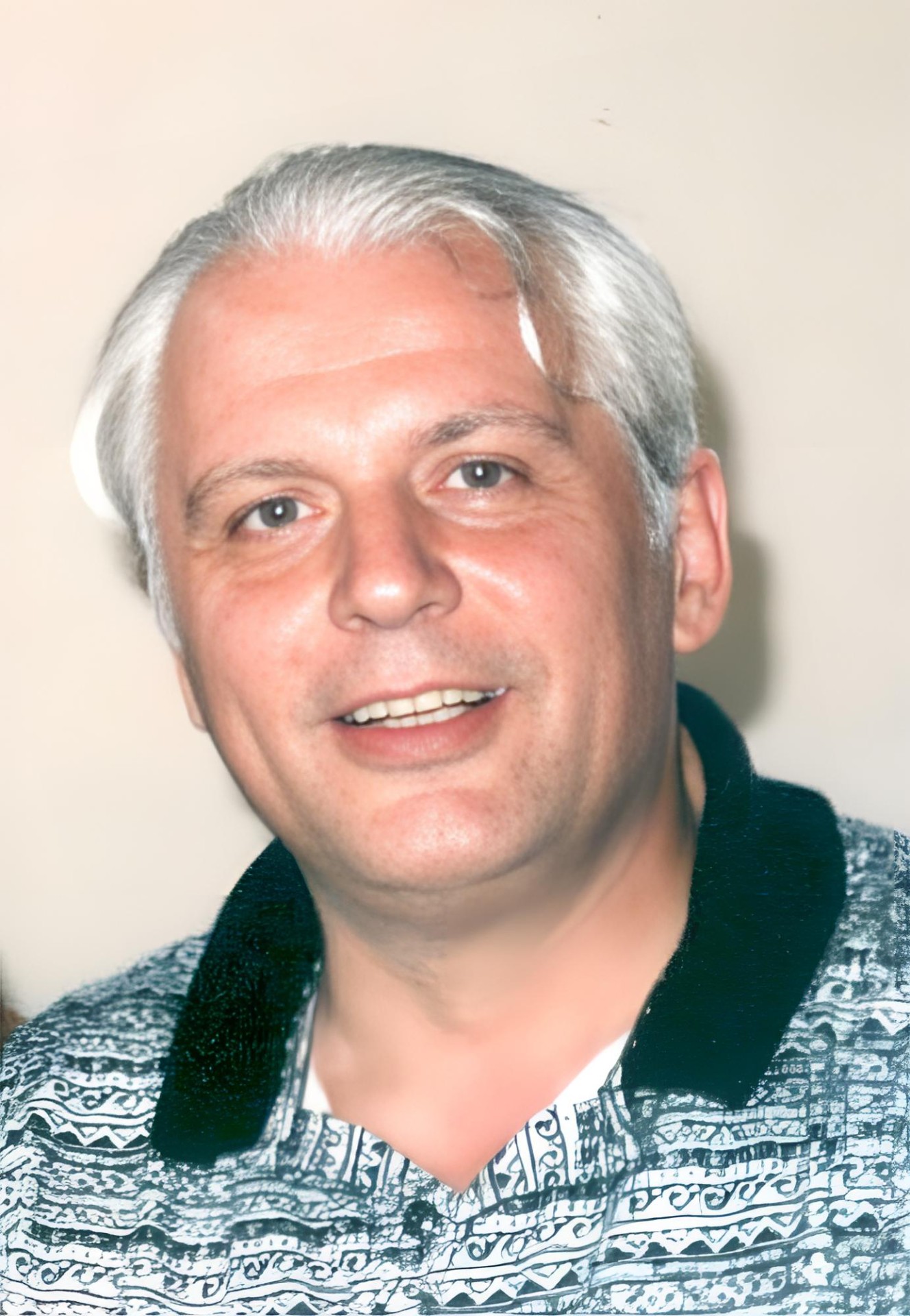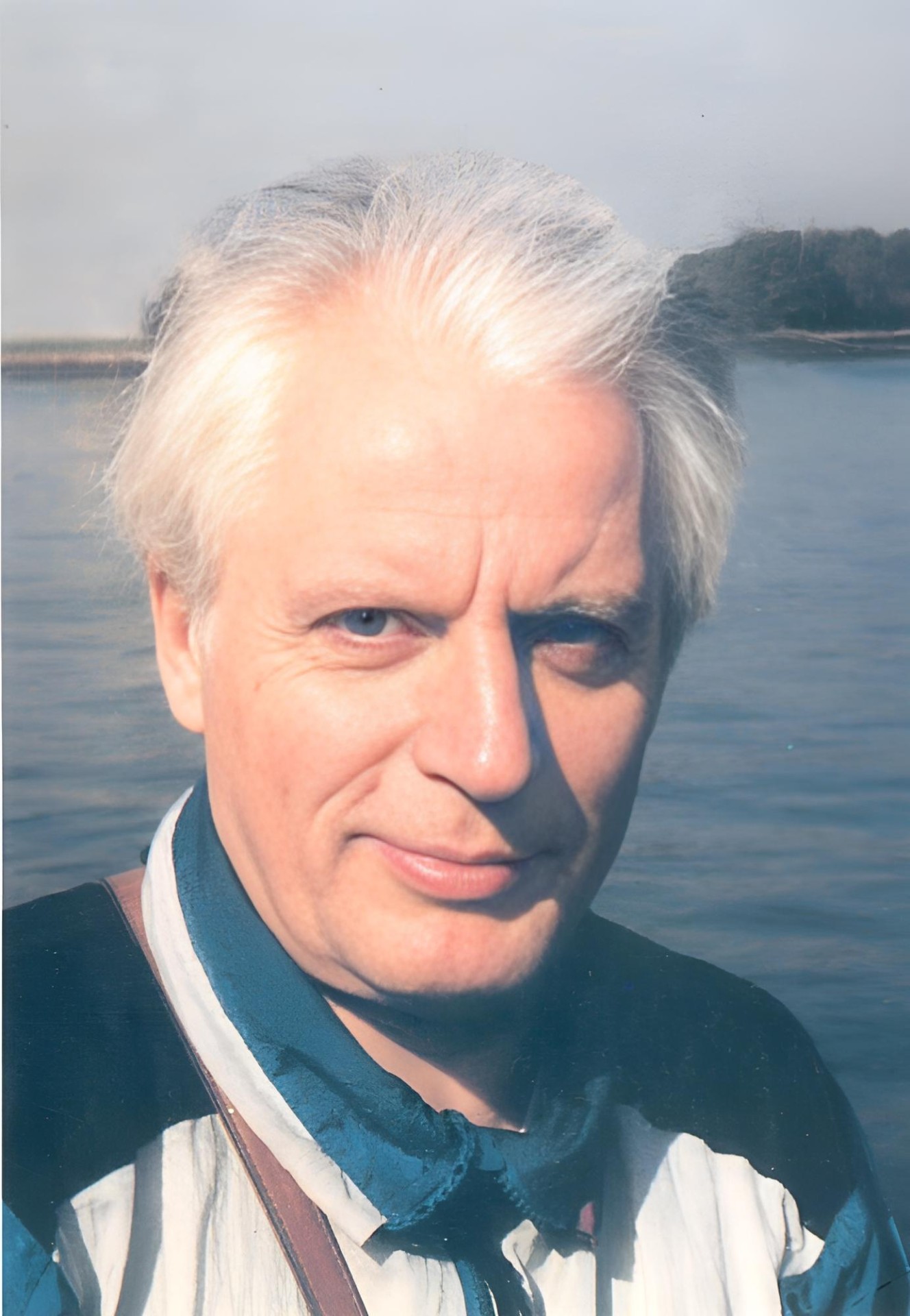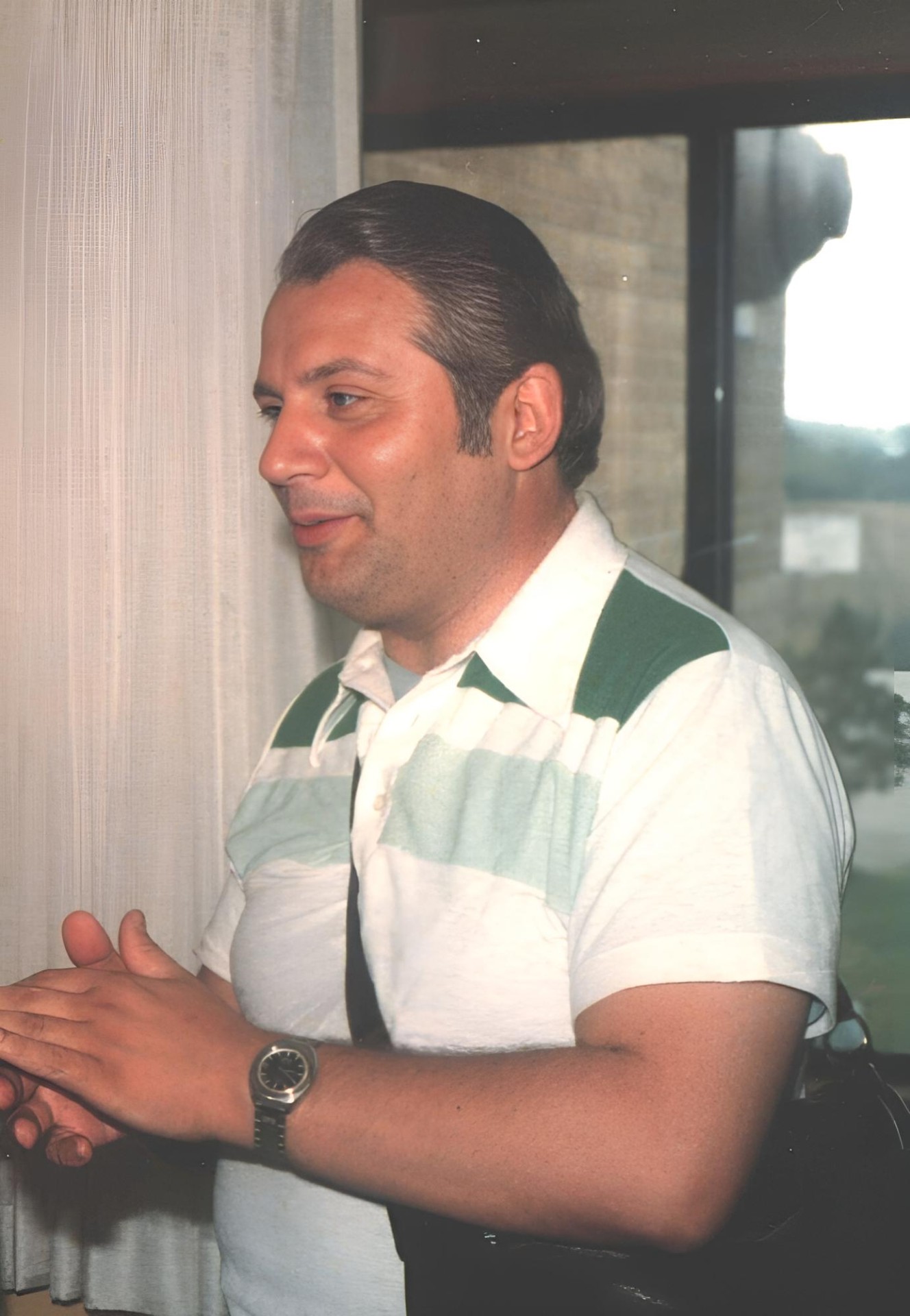


P. Pio Devoti
Vergnacco di Reana del Roiale (Udine) il 12 febbraio 1939.
Parma, 8 dicembre 2002
Il giorno 8.12.2002, alle 10.20, a Parma in Casa Madre, è morto il P. Pio Devoti, consumato da un tumore al pancreas, rilevato appena un mese e mezzo prima, ma in uno stato avanzato, quando diversi organi interni erano già stati intaccati.
Aveva 63 anni compiuti, essendo nato a Vergnacco di Reana del Roiale (Udine) il 12.02.1939.
Entrato all’Istituto di Udine il 19.09.1949, P. Pio percorse il curricolo formativo allora vigente: medie a Udine (49-52), ginnasio a Zelarino (52-54), Noviziato (54-55) e la Prima Professione (12.9.55) a S. Pietro in Vincoli, Liceo a Desio (55-58), Teologia a Parma (59-61; 62-64), il prefettato ad Ancona (58-59) e a Udine (61-62); ordinazione presbiterale a Parma, il 13.10.1963.
Proveniente da una vita tutto casa, chiesa e canonica, «sempre precoce non solo nella scuola, ma in particolar modo nella dottrina, nel Canto Sacro, nel servizio delle Cerimonie Sacre… sempre battezzato, e non per ischerzo, il piccolo prete» (Sac. L. Pividori, 1.10.49), si trovò a vivere in un ambiente nel quale, alla sua vivacità, sensibilità musicale ed esuberanza erano consentiti spazi e misure diversi: P. Pio dovette impegnarsi non poco per estirpare, tagliare e moderare.
Lo fece con un buon successo: «Nel settore ascetico non si può più dire che non sia “né pio, né devoto”. Mostra una certa sensibilità liturgica (anche se qualche pezzo “brillante” all’organo non strapperebbe gli applausi di S. Pio X) e si mostra aperto e interessato ai temi di spiritualità e di pastorale» (Presentazione al Presbiterato, 4.7.63).
Alla conclusione degli studi teologici fu destinato al Giappone che raggiunse alla fine del settembre 1964. Per due anni studiò la lingua, ma anche incominciò a capire il popolo giapponese tanto che scriveva: «I veri strafalcioni nella lingua giapponese sono le stanchezze e le freddezze del cuore. Queste sono le vere scortesie…» (Lett, 5.4.67).
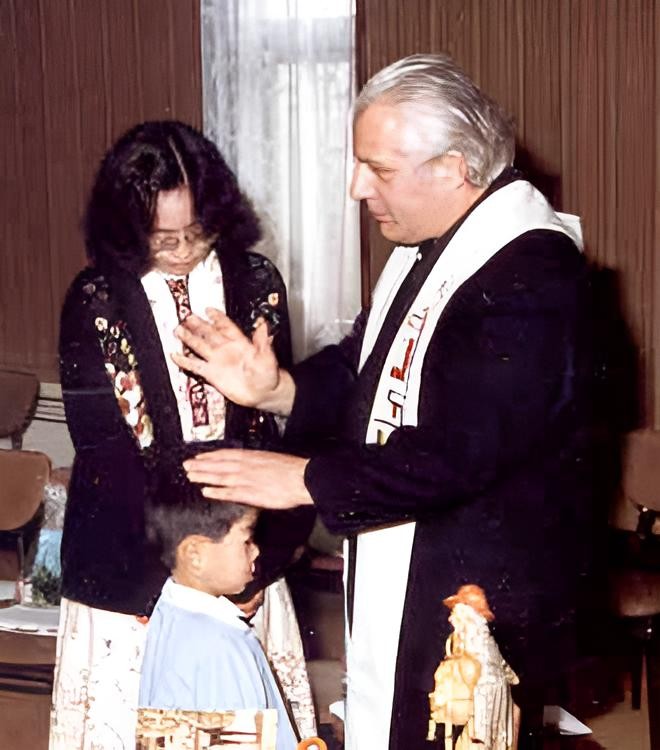
Fu quindi immesso nell’attività pastorale che svolse a Kobe (65-66), a Nobeoka (66-69), a Mya-zaki-Ehira (69-70) e ancora a Nobeoka (70-71). Il suo impegno apostolico principale era l’insegnamento dell’Etica e della S. Scrittura nel Liceo e Università delle Orsoline a Nobeoka. Proprio per buttarsi davvero a piena forza in questa attività, ottenne di frequentare per due anni l’Alphonsianum di Roma (71-73) dove conseguì la licenza in teologia morale. Ritornato in Giappone, fu parroco a Izumi-Sano e docente all’Università Osaka-Kitano (73-77).
Nel 1977 iniziò una serie di destinazioni ravvicinate: “gli scherzi della vita… le sorprese che arrivano a cambiare l’esistenza” (Lett, 3.11.87); eventi che egli visse con la solita disponibilità, come gli dava atto il Superiore Generale già in una lettera del 6.12.75: «so che tu sei ancora di quelli della vecchia osservanza, di quelli cioè che dopo aver detto le loro ragioni, sanno obbedire».
Nel 77 fu destinato alla Teologia di Parma come docente di teologia morale.
Nell’84 ritornò in Giappone, Parroco e direttore della scuola a Kaizuka (84-88).
Nell’88 un’altra sorpresa: la destinazione alla Regione Saveriana degli Stati Uniti: «in fondo è la “missione”: partita dall’Europa, incarnata in Oriente, ritorna in Occidente carica di tutta l’esperienza orientale» (La Vita Cattolica, aprile 1988). Negli USA fece parte della comunità di Holliston MA, impegnato nell’animazione missionaria e responsabile dello Shrine.
Nel 1995 i Superiori gli chiesero di ritornare in Giappone dove rimase, parroco di Izumi-Sano, fino al repentino distacco nel 2001, forse per i primi attacchi del male che lo ha condotto alla tomba.
P. Pio era fatto per irradiare vitalità, come gli ha scritto un confratello (17.11.02) nei giorni del duro calvario: «Nel tuo cuore pieno di spazi musicali e di nuove melodie, fremi e gioisci visitando tutti i luoghi e tutti i volti che hai amato e per cui hai offerto la tua mente, il tuo cuore e le tue più preziose energie. Tutto è oro, ora nuovamente purificato dal fuoco dell’amore».
Il Signore lo accolga nella festa delle melodie ineffabili del Paradiso.
Fr. Pio Devoti
Vergnacco di Reana del Roiale (Udine) il 12 febbraio 1939.
Parma, 8 dicembre 2002
On December 8 2002, at 10.20 am, Fr. Pio Devoti died of pancreatic cancer in the Mother House, Parma; his illness, discovered only a month and a half before his death, was already at an advanced stage and several internal organs had already been affected.
Born in Vergnacco di Reana del Roiale (Udine), on February 12 1939, Fr. Pio was 63 years old.
He joined the Congregation in Udine on Sept. 19 1949 and his formation curriculum took him through Udine (1949-52), Zelarino (1952-54), Novitiate (1954-55) and First Profession (Sept. 12 1955) at S. Pietro in Vincoli, Desio (1955-58), Theology in Parma (1959-61; 1962-64), prefect in Ancona (1958-59) and Udine (1961-62); he was ordained priest in Parma on Oct. 13 1963.
His background was one of home, church and rectory, “he was a quick developer at school and, in a particular way, in doctrine, church music, and serving at liturgical ceremonies; he was known, only half-jokingly, as the little priest” (Fr. L. Pividori, Oct. 1 1949). His new surroundings curbed somewhat his liveliness, musical sensitivity and exuberance, and Fr. Pio had to work hard in order to adapt and moderate his temperament. He did so with a good degree of success. In presenting him for admission to the priesthood, his superior stressed his liturgical sensitivity, and his openness and interest in all things related to spirituality and pastoral activity.
At the end of Theology he was assigned to Japan and he arrived there at the end of September 1964. He studied the language for two years, but he also began to understand the Japanese people: “Fatigue and a cold heart are the real big blunders in the Japanese language. These are true offenses against courtesy...” (Letter of April 5 1967). He was assigned to pastoral work in Kobe (1965-66), Nobeoka (1966-69), Miyazaki-Ehira (1969-70) and once again in Nobeoka (1970-71). His main apostolic commitment was teaching Ethics and Sacred Scripture in the Ursuline University in Nobeoka. In order to provide a better professional service, he was sent to the Alphonsianum University in Rome (1971-73), where he obtained a degree in Moral Theology. Once back in Japan, he was appointed parish priest in Izumi Sano and lecturer at the University of Osaka-Kitano (1973-77).
The period 1977-88 saw him on the move through various assignments: "life plays tricks on me ... with surprises that change my whole existence" (Letter of Nov. 3 1987); he embraced these with a profound spirituality, something that the Superior General acknowledged in a letter to him (Dec. 6 1975): “you are still one of the old guard, those who explain their own reasons, and then they obey”.
In 1977 he was sent to Parma to teach Moral Theology to the Theology students. In 1984 he returned to Japan where he worked as parish priest and director of the school in Kaizuka (1984-88).
In 1988 another surprise was sprung upon him: he was assigned to the USA Xaverian Province: “my missionary vocation has taken me from Europe to the East, and then back to the West enriched with all my oriental experience.” (La Vita Cattolica, April 1988). In the USA, he was assigned to the Holliston community, where he was put in charge of the Shrine and also worked in missionary animation.
In 1995 the Superiors asked him to return to Japan; he worked there as parish priest of Izumi-Sano, until his sudden departure in 2001, perhaps due to the first signs of the illness that would eventually bring him to his death.
Fr. Pio was born to irradiate vitality, as a confrere wrote about him (Nov. 17 2002) during the days of his difficult last illness: “Your heart is full of music and you delight in visiting the places and the faces you have loved during life; you gave them the best of your mind, your heart and your most precious energies. All has been purified now like gold in the furnace of love”. May the Lord welcome him in the Feast of Angelic melodies of Paradise.