



È stata per me una grande gioia incontrare e visitare una comunità cristiana di Birmani: un gruppo di 35 famiglie cattoliche della etnia “Burma” che abitano in un villaggio chiamato Baan 14, situato a circa venti Km dalla nostra parrocchia del Km48, St. Joseph the Worker. Ci vuole circa mezz’ora di macchina per arrivare a quel villaggio. La maggioranza delle famiglie proviene da Pathein, a 190 km dalla città di Yangon, capitale del Myanmar (Birmania).
Alcuni gruppi sono arrivati più o meno 8/9 anni fa. Recentemente è arrivato un nuovo gruppo emigrato a causa della guerra. Infatti, insieme al desiderio di costruire un futuro migliore, questa è la ragione principale delle migrazioni dalla Birmania.
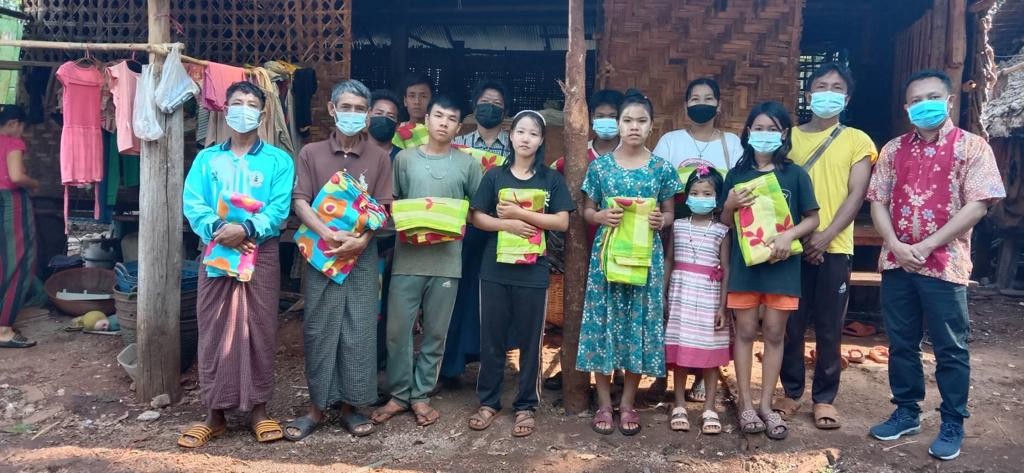
Partono dalla loro terra, ma nel cuore c’è sempre la nostalgia e vivono con il costante desiderio di tornare al loro Paese, appena possibile. Uno di loro mi confidava: “Padre, appena la situazione tornerà normale, quando la guerra sarà finita, tornerò volentieri al mio paese”. Per tutti, il posto migliore dove vivere è la propria nazione e non c’è sofferenza più grande che dover lasciare la propria terra, le proprie radici.
Questa è solo una delle tante etnie emigrate dalla Birmania in Thailandia il cui confine è segnato dal fiume Moei. In questa zona, infatti, sono varie le etnie presenti: Karen, Burma, Akkha, Hmong, etc. I più numerosi sono Karen e Burma. Per i Karen l’inserimento è facilitato dal fatto che questa etnia è già presente in Tailandia e così i nuovi rifugiati possono incontrare altri della loro stessa cultura e lingua.
Per i Burma invece è più impegnativo, non incontrando sul luogo altri della loro etnia. Per gli Akha e gli Hmong, essendo gruppi poco numerosi e vivendo nello stesso villaggio, (come, ad esempio, a Maeklong Yai dove quasi tutti sono dell’etnia Hmong) l’inserimento è meno difficile e possono anche ottenere la cittadinanza tailandese con una certa facilità.
Tutti loro, pur essendo rifugiati, sono una presenza importante ed utile per la Tailandia. Sono loro, infatti, i grandi lavoratori dei campi nei tanti villaggi tailandesi. Attraverso questa attività imparano anche la lingua tailandese. Per i bambini e gli studenti è più facile, perché studiano nella scuola tailandese e imparano velocemente la lingua che per loro non è un problema, considerando anche il livello semplice della vita di queste comunità.
Durante la stagione secca c’è scarsità di lavoro perché non si può seminare e il tempo della raccolta è ormai passato. Rimangono così “sospesi” in attesa della stagione delle piogge per poter riprendere il lavoro della semina. In questo periodo, la gente vive in casa e noi missionari abbiamo maggiori opportunità per visitare le famiglie. La pandemia da Covid-19, poi, ha reso la loro vita ancora più difficile. Per esempio, i generi alimentari di prima necessità scarseggiano. Visitando una famiglia molto povera insieme con il catechista Joseph, prezioso mediatore e interprete, ci siamo accorti della necessità di procurare per loro del riso, miele per bambini e altri generi alimentari. Ovviamente, ricevono volentieri e con riconoscenza i nostri aiuti. Sanno che sono indonesiano e mi sento ben accolto con il catechista tailandese che mi accompagna.
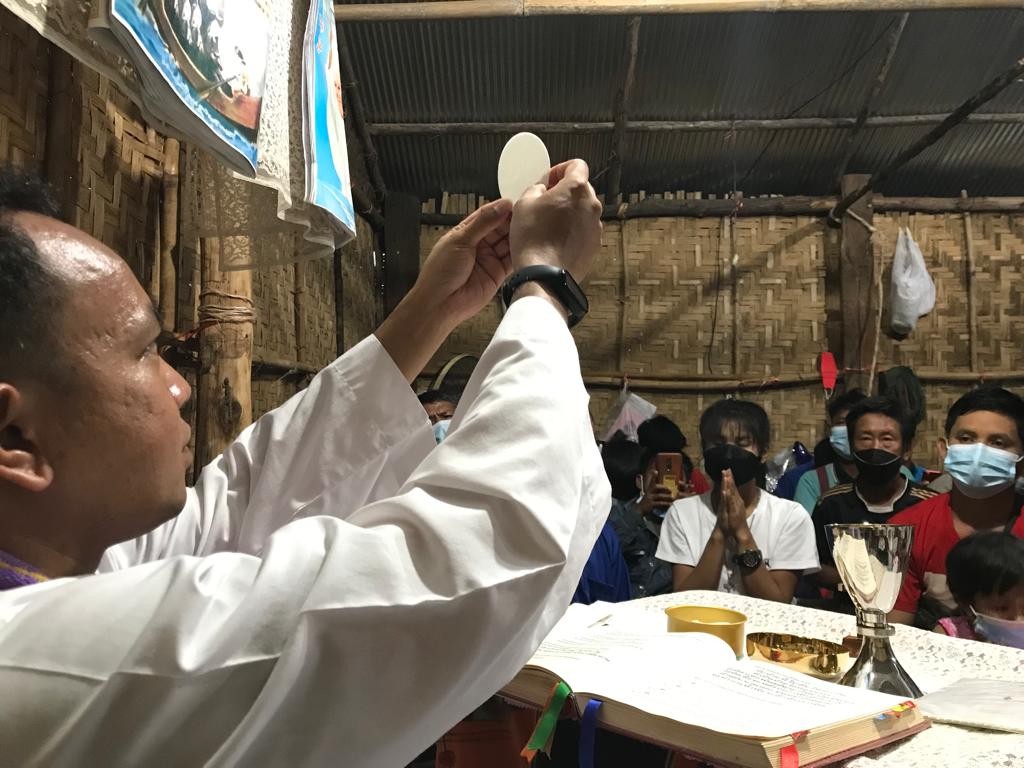
In tutto questo faccio esperienza della bontà e della grazia di Dio. Il cibo che abbiamo portato, per loro era grazia di Dio. Abbiamo così pensato di invitarli ad una celebrazione della Santa Messa, come ringraziamento al Signore. Hanno accettato. E così, nella seconda domenica di quaresima abbiamo celebrato la messa, in lingua tailandese, e il nostro catechista ha tradotto la mia omelia. La prima lettura in Tailandese è stata letta da uno dei nostri tre giovani della parrocchia mentre i canti e la proclamazione del Vangelo sono stati in lingua Birmana. È stata una celebrazione molto sentita nella quale hanno potuto ricevere la santa comunione una ottantina di cristiani giovani e adulti.
Per il futuro stiamo pensando alla celebrazione di sante messe con l’aiuto di un sacerdote birmano che, saltuariamente, sta visitando le comunità. Quando lui non può essere presente (deve visitare parecchie comunità), ci organizziamo tra di noi per poter offrire a queste famiglie il servizio liturgico.
Nella nostra zona, ci sono anche altre 500/600 famiglie birmane, non cattoliche, che sono nel bisogno. Come comunità cristiana, siamo lieti di poter aiutarli, condividendo quanto raccogliamo in aiuti, vestiti e donazioni dagli amici tailandesi.
A great joy
It has been a great joy for me to meet and visit a Christian community of Burmese: a group of 35 Catholic families from the "Burma" ethnic group who live in a village called Baan 14, located about twenty kilometers from our Km48 parish, St. Joseph the Worker. It takes about a half hour drive to get to that village. Most of the families come from Pathein, 190 km from the city of Yangon, the capital of Myanmar (Burma).
Some groups arrived more or less 8/9 years ago. Recently, a new group, who emigrated because of the war, has arrived. In fact, along with the desire to build a better future, this is the main reason for migration from Burma: war.
They leave their land, but in their hearts there is always nostalgia and they live with the constant desire to return to their country, as soon as possible. One of them confided to me: "Father, as soon as the situation returns to normal, when the war is over, I will gladly go back to my country". For all of them, the best place to live is in their own country and there is no greater suffering than having to leave their land, their roots.
This is just one of the many ethnic groups that migrated from Burma to Thailand, whose border is marked by the Moei River. In this area, in fact, there are several ethnic groups present: Karen, Burma, Akkha, Hmong, etc.. The most numerous are Karen and Burma. For the Karen, integration is facilitated by the fact that this ethnic group is already present in Thailand and so the new refugees can meet others of their same culture and language.
For the Burma, however, it is more challenging, as they do not meet others of their ethnicity on site. For the Akha and Hmong, being a small group and living in the same village (as, for example, in Maeklong Yai where almost all are Hmong), integration is less difficult and they can also obtain Thai citizenship quite easily.
All of them, despite being refugees, are an important and useful presence for Thailand. They are, in fact, the great field workers in the many Thai villages. Through this activity they also learn the Thai language. For children and students it is easier, because they study in Thai schools and learn the language quickly, which is not a problem for them, considering the simple level of life in these communities.
During the dry season there is a shortage of work because they cannot sow and harvest time has passed. They thus remain "suspended" waiting for the rainy season to come so they can resume the work of planting. At this time, people live at home and we missionaries have more opportunities to visit families. The Covid-19 pandemic, then, has made their lives even more difficult. For example, basic food items are in short supply. Visiting a very poor family together with Catechist Joseph, a valuable mediator and interpreter, we realized the need to provide them with rice, baby honey and other food items. Of course, they gladly and gratefully receive our help. They know I am Indonesian and I feel welcome with the Thai catechist who accompanies me.
In all of this, I experience the goodness and grace of God. The food we brought was God's grace to them. So, we thought of inviting them to a celebration of Holy Mass, as thanksgiving to the Lord. They accepted. And so, on the second Sunday of Lent, we celebrated Mass, in Thai, and our catechist translated my homily. The first reading in Thai was read by one of our three young people from the parish while the songs and proclamation of the Gospel were in Burmese. It was a very heartfelt celebration in which about eighty young and adult Christians were able to receive Holy Communion.
For the future we are thinking about the celebration of Holy Masses with the help of a Burmese priest who, from time to time, is visiting the communities. When he can't be present (he has to attend many communities), we organize among ourselves to be able to offer these families the liturgical service.
In our area, there are also another 500/600 Burmese, non-Catholic families who are in need. As a Christian community, we are glad to be able to help them by sharing what we collect in aid, clothing and donations from our Thai friends.


