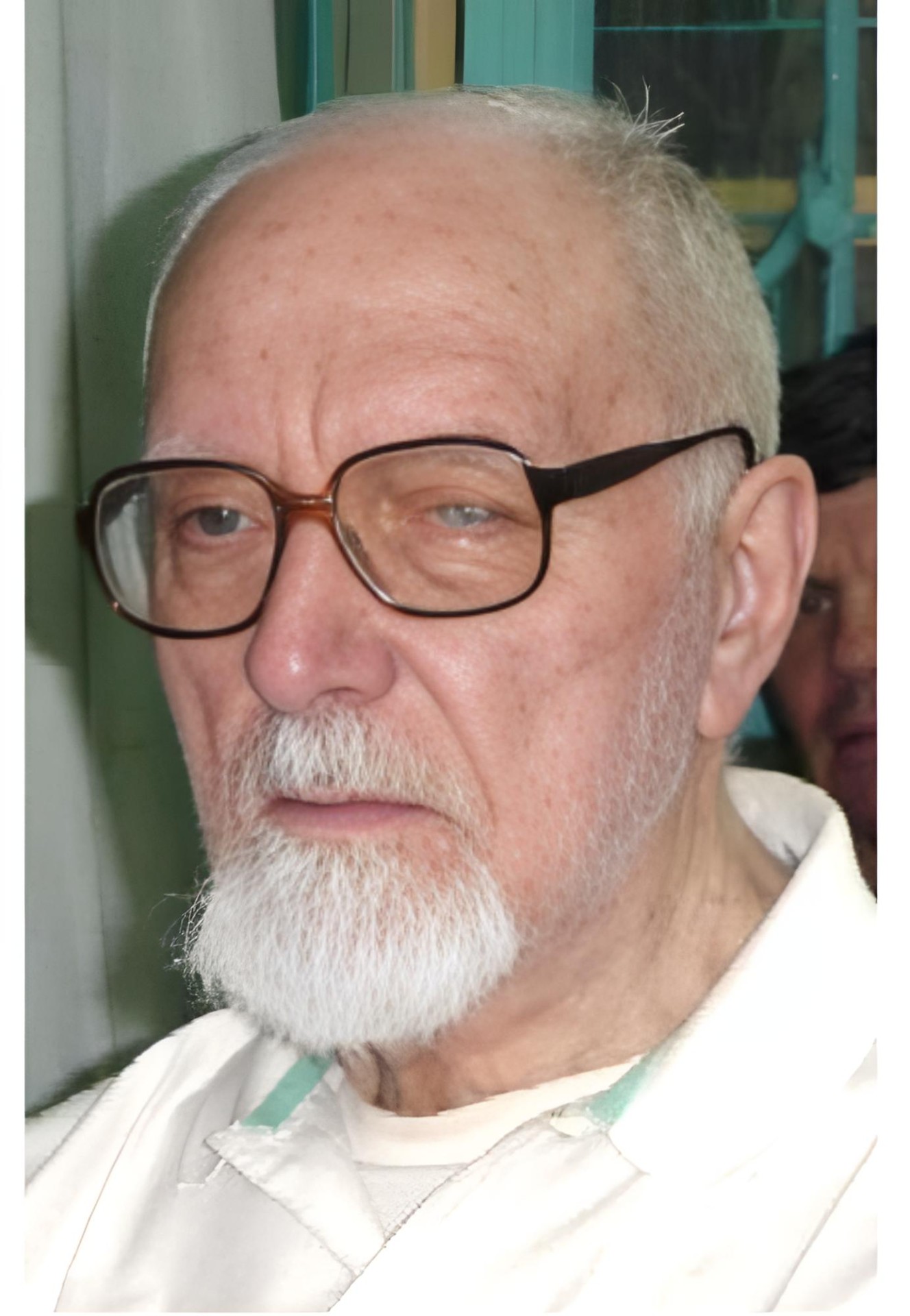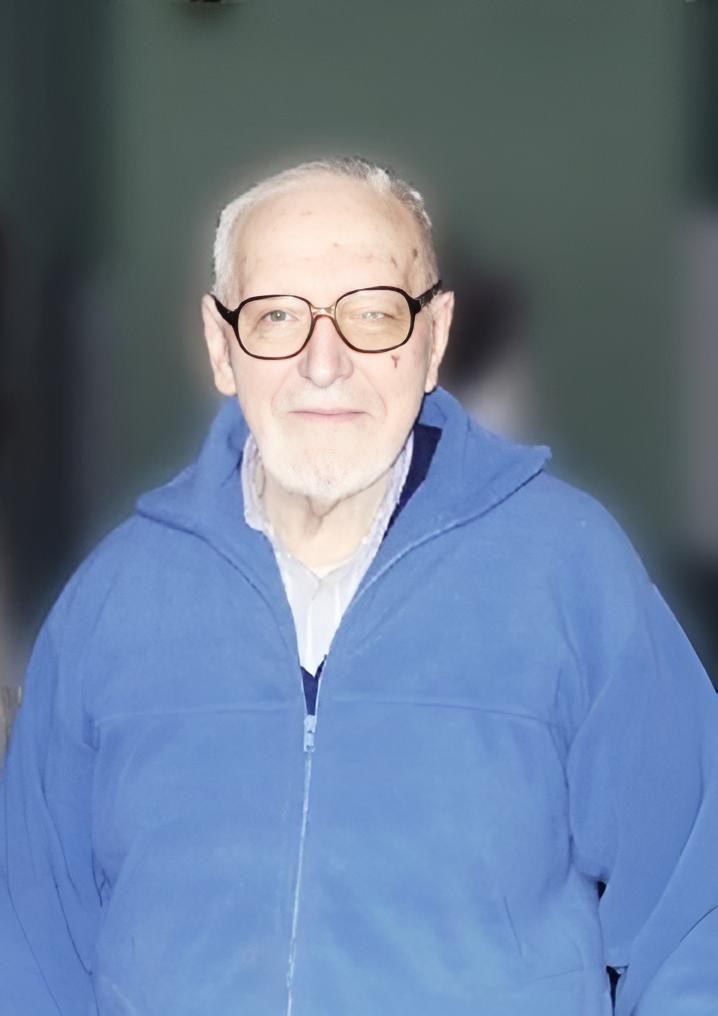


P. Ampelio Gasparotto
Mure di Molvena (Vicenza) 23 dicembre 1913
Khulna (Bangladesh), 14 luglio 2005
Il 14.7.2005, verso le 13.05 locali, all'ospedale S. Maria, Sonadanga, Khulna, si è spento il P. Ampelio Gasparotto. Era stato ricoverato qualche giorno prima per il riacutizzarsi dei suoi problemi cardiaci e renali. Era vicino ai 92 anni essendo nato a Mure di Molvena (VI) il 23.12.1913.
P. Ampelio entrò tra i Saveriani, il 31.10.1927, a Vicenza dove frequentò le tre medie. Dopo un anno di ginnasio (30-31) a Grumone, passò a Parma dove, escluso l’anno di prefettato a Poggio S. Marcello (33-34), percorse tutte le restanti tappe della formazione: il Noviziato (31-32) con la Prima Professione il 28.8.32; il Liceo (32-33 e 34-35); la Teologia (35-39) con l’ordinazione presbiterale il 19.6.1938.
Testimonianze di quel periodo, qualche lettera al P. Generale, rivelano che il P. Ampelio aveva assimilato i valori della formazione di quel tempo, in particolare la radicalità e la severità: “Padre, noi siamo nelle sue mani, pronti a fare tutto quello che può tornare alla maggior gloria di Dio ed a vantaggio della nostra Congregazione. Per essa siamo pronti a dare anche la vita” (Lett. 6.12.34). Chiedendo di essere inviato subito in missione, sottolineava che “la domanda è l’espressione sincera di una stato d’animo perfettamente cosciente dei sacrifici gravi che la vita di missione porta con sé, sacrifici però che non mi fanno indietreggiare di un passo… so che la sofferenza è la strada regale del Paradiso” (Lett. 22.2.39; 10.7.39).
Alla fine della Teologia, come da lui richiesto, fu destinato alla missione e il 9 luglio 1939 P. Ampelio era a Shangai e successivamente a Pechino per lo studio del Cinese. Nel 1941 iniziò la sua attività in Cina come vicerettore del seminario di Cheng-Chow. Ma dopo pochi mesi, a causa della guerra cino-nipponica, fu internato con gli altri confratelli nel concentramento di Nei-Siang (42-45). Ritornato in libertà, fu aiutante a Hsu-chan e a Lushan, alla Procura di Cheng-Chow e quindi parroco a Yu-Chow dal 1949 al 4 aprile del 1951, data della sua espulsione dalla Cina da parte delle autorità comuniste. Al riguardo scriveva il 22.10.51: “Speriamo che il Signore riapra presto le porte per una nuova rifioritura della chiesa cinese la quale sta subendo ora la sua passione. Io ho dato non un addio, ma un arrivederci alla Cina…”.
Rientrato in Italia, fu per due anni ad Ancona come Rettore (52-54), poi studente a Roma per il conseguimento della Laurea in Diritto Canonico (54-57) e propagandista a Piacenza (57-59), sempre sostenuto dalla fiducia che, come gli aveva detto P. G. Gazza: “l’obbedienza poteva far miracoli... e io mi misi di buona volontà a compiere il mio dovere senza preoccuparmi del risultato finale” (Lett. 21.11.58).
Nel luglio del 1959 ripartì per la missione, quella del Bangladesh, allora Pakistan, che divenne la sua nuova patria nella quale, escluse due brevi parentesi italiane (67-68 e 71-72), trascorse tutto il resto della sua vita: parroco al S. Cuore di Jessore (60-67) e poi, sempre viceparroco, a Baniarchor, a Jessore, ancora a Baniarchor; dal 73 al 77 nella parrocchia di S. Giuseppe di Khulna, quindi a Bhabarpara; amministratore del Fatima Hospital dall’80 all’83, Cancelliere vescovile dall’83 all’88; dall’88 al 2001 ancora nella parrocchia di S. Giuseppe di Khulna; e dal 2001 in cura in Casa Regionale.
Così lo ricorda, nei lunghi anni di Bangladesh, il suo Regionale attuale: “Nella sua azione apostolica ha sempre anteposto le necessità della Diocesi e della Congregazione. Dove il Vescovo chiedeva la sua presenza, lui andava senza farsi problemi. Quello che gli veniva chiesto di fare era quello che bisognava fare e questo aveva la precedenza su tutto il resto… Credeva fermamente che il primo impegno del Missionario fosse la preghiera. La recita del breviario, la meditazione, la celebrazione della messa hanno sempre avuto il primo posto nella sua giornata” (P. Valoti, 17.7.05).
Riposi in pace.
Fr. Ampelio Gasparotto
Mure di Molvena (Vicenza) 23 dicembre 1913
Khulna (Bangladesh), 14 luglio 2005
Fr. Ampelio Gasparotto died on July 14 2005, at 1:05pm (local time) in St. Mary’s hospital Sonadanga, Khulna. He had been admitted to the hospital a few days previously following the deterioration of his heart and kidney problems.
Born in Mure di Molvena (Vicenza) on Dec. 23 1913, he was 91 years old.
Fr. Ampelio joined the Xaverians on Oct. 31 1927 in Vicenza, where he completed three years of junior high school. After a year of high school (1930-31) at Grumone, he moved to Parma where, with the exception of the year as prefect at Poggio S. Marcello (1933-34), he spent the remaining formation years: Novitiate (1931-32) and First Profession on Aug. 28 1932; liceo (1932-33 and 1934-35) and Theology (1935-39). He was ordained priest on June 19 1938.
Eyewitness accounts from that period, and some of his personal letters to the Superior General, reveal that Fr. Ampelio had assimilated the formation values of his times, especially the radicalism and severity: “Father, we are in your hands, ready to do all that might further the greater glory of God and our Congregation. We are even ready to sacrifice our life for this cause” (Letter of Dec. 6 1934). As he asked to be sent immediately to the missions, he emphasized that “my request is the sincere expression of a state of mind that is perfectly aware of the grave sacrifices that missionary life entails; these sacrifices, however, do not make me hesitate at all” (Letter of Feb. 22 19039); “I know that suffering is the royal road to Heaven” (Letter of July 10, 1939).
At the end of Theology, in accordance with his request, he was assigned to the missions and on July 9 1939, Fr. Ampelio is in Shangai. He then went to Peking to study the Chinese language. He began his activity in China in 1941, as vice-rector of the seminary in Cheng-Chow. However, after a few months, the war between China and Japan led to his incarceration with the other confreres in the concentration camp at Nei-Siang (1942-45). After his release, he worked as assistant priest at Hsu-chan and Lushan, at the Procure of Cheng-Chow and then as parish priest at Yu-Chow from 1949 until Apr. 4 1951, the date of his expulsion from China by the communist authorities. In connection with this, he wrote on Oct. 22 1951: “Let us hope that the Lord will soon reopen the doors to a new flourishing of the Chinese Church which is now enduring the passion; I did not say farewell to China, only arrivederci.”
Back in Italy, he served as Rector for two years in Ancona (1952-54); he then studied in Rome where he obtained a Degree in Canon Law (1954-57). Thereafter he worked as propagandist in Piacenza (1957-59), always sustained by the confidence that, in the words of Fr. G. Gazza “obedience can work miracles… and I willingly apply myself to carrying out my duty without worrying about the final result.” (Letter of Nov. 21, 1958).
In July 1959 he left again for the mission of Pakistan (today’s Bangladesh). With the exception of two short periods in Italy (1967-68 and 1971-72), he spent the rest of his life there: parish priest at the Sacred Heart in Jessore (1960-67); assistant priest at Baniarchor, Jessore, and again at Baniarchor; from 1973 until 1977 he was in the parish of St. Joseph’s in Khulna, then at Bhabarpara; administrator of Fatima Hospital from 1980 until 1983, the bishop’s Chancellor from 1983 until 1988; from 1988 until 2001 he was back in St. Joseph’s parish, Khulna; from 2001 he was in the Regional House receiving nursing care.
The current Regional Superior thus remembers his long years in Bangladesh: “In his apostolic action he always put the needs of the Diocese and the Congregation first. Wherever the Bishop asked for his presence, he went there without any fuss. What he was asked to do was what had to be done and this took precedence over all else… He firmly believed that prayer is the first task of the missionary. The recitation of the breviary, meditation and the celebration of Mass always had the first place in his day.” (Fr. Valoti, on July 17, 2005).
May he rest in peace.