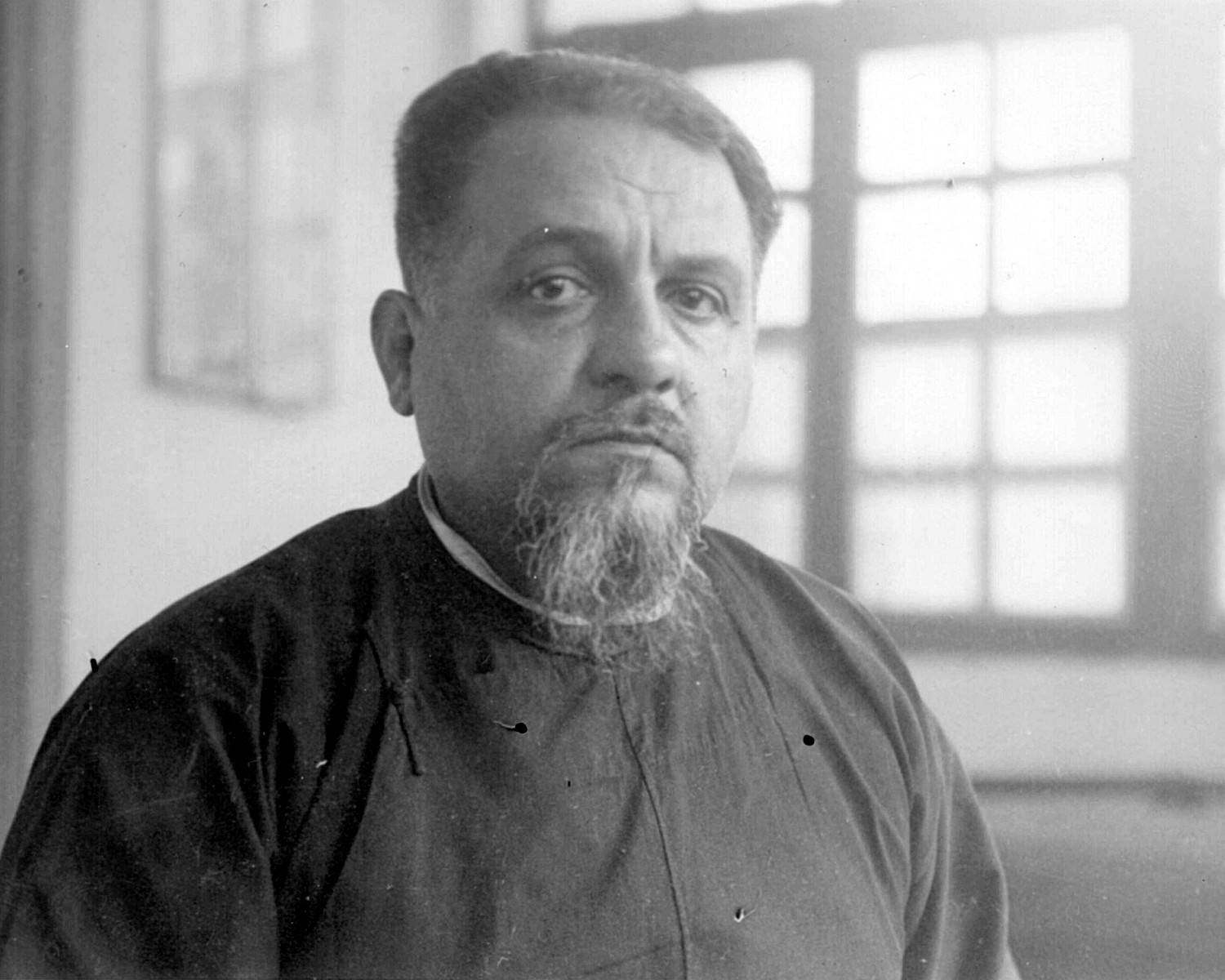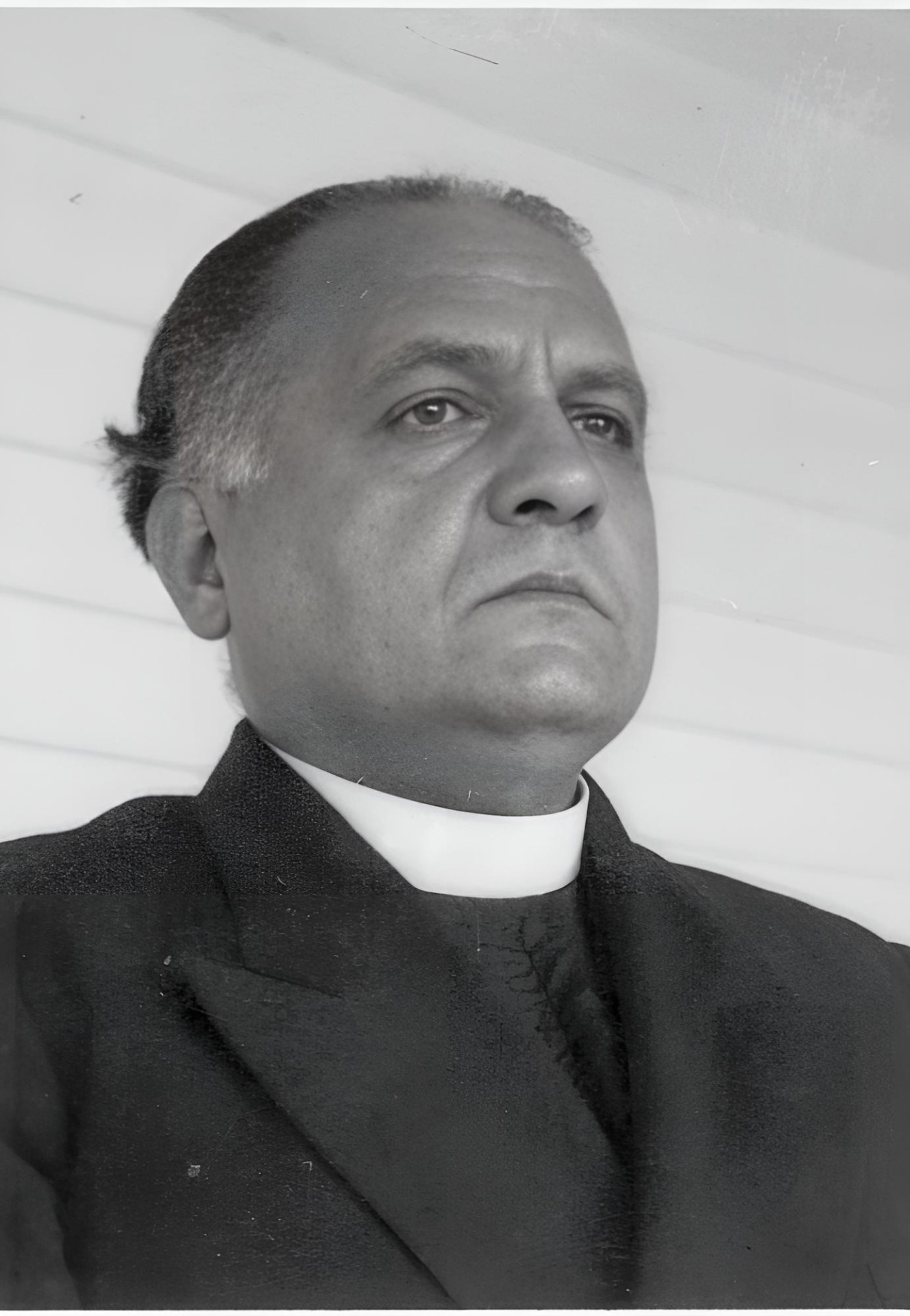


P. Mario Francesco Frassinetti
Faenza (Ravenna), 2 Settembre 1901
Roma, 17 Aprile 1952
Nato a Faenza (RA) il 2.IX.1901 da Domenico e Ceroni Giuseppina, entrò tra i Saveriani a Parma il 28.X.1923. Professo il 1.XI.1924, fu ordinato Sacerdote da Mons. Conforti il 7.IV.1928.
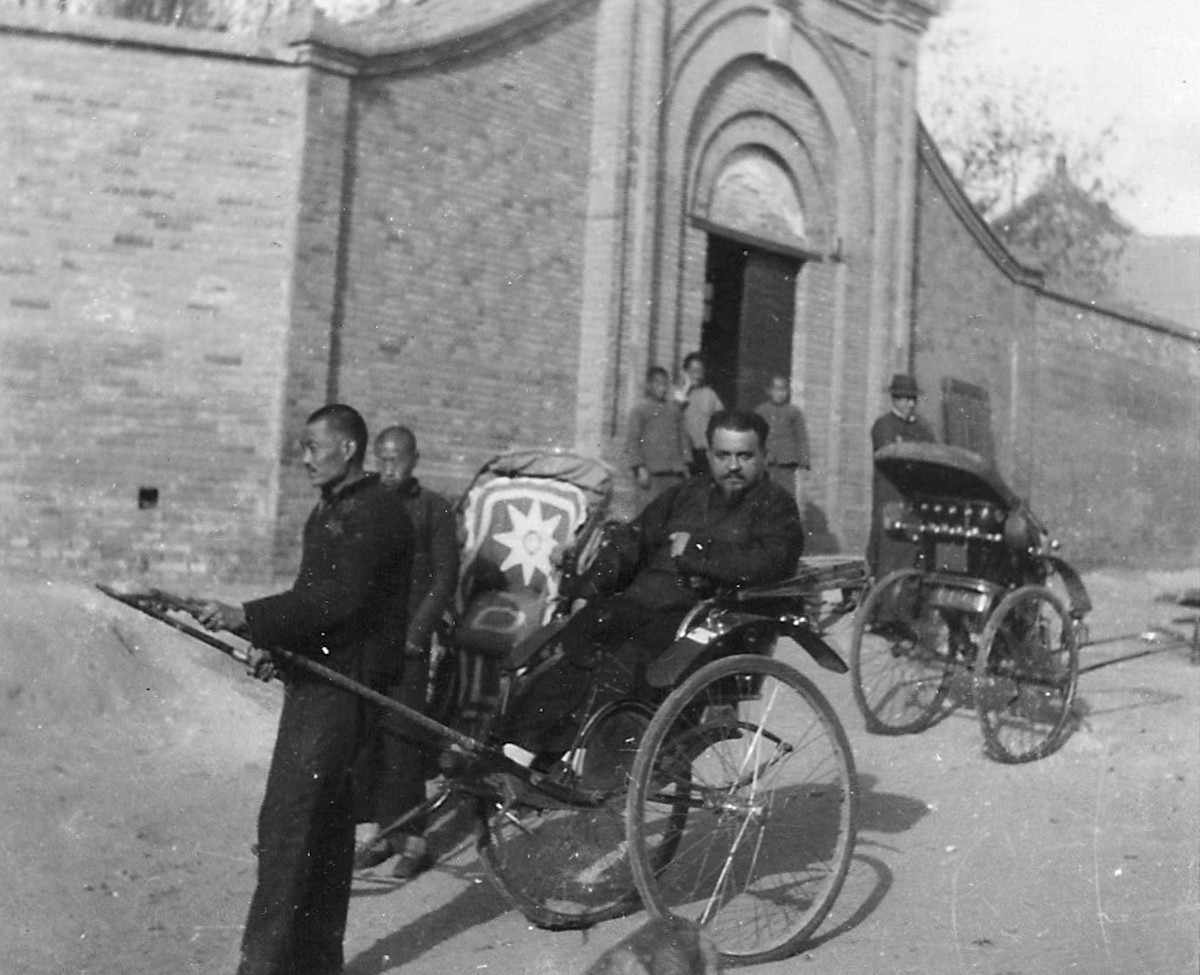
Collaborò alla realizzazione del film "Il Nido degli Aquilotti" (1924); realizzò "Fiamme" (1928), "Africa Nostra" (1931) ed "Il Grande Alveare" (1950); fu Missionario in Cina, nella Diocesi di Loyang, dal settembre 1931 al 1946; morì a Roma, a seguito di un intervento chirurgico il 17.IV.1952.
Nel mensile saveriano "Fede e Civiltà" (1952) il P. De Martino, sotto il titolo "Portò sullo schermo il mondo missionario" così tratteggia il P. M. Frassinetti:
"È morto il P. Mario Frassinetti: portò a termine quattro film missionari... stava curando il doppiaggio del film giapponese "Le Campane di Nagasaki" e preparando un nuovo soggetto "La Madre"... La notizia della sua morte provoca uno schianto, … una frana nel nostro cuore e nel nostro lavoro.
Venne nell'Istituto Saveriano dall'Università di Bologna dove studiava legge. Un suo fratello, P. Enrico, l'aveva preceduto; egli venne a Parma a vedere e ci restò: era un bel giovane, solido, elegante, con un eloquio facile ed avvincente... Due attività lo interessarono subito: la cinematografia e la stampa missionaria. Per la cinematografia aveva trovato nell'Istituto Saveriano la prima idea, l'embrione di questa attività che stava concretandosi nel primo film: "Il Nido degli Aquilotti". Egli se ne innamorò e completò il lavoro. Poi ne cominciò un altro e lo condusse a termine, lavorando con entusiasmo: "Fiamme".
È un film realizzato con pochi mezzi e senza artisti, precedendo con felice intuito gli insegnamenti della scuola realistica italiana in materia di cinematografia. Con queste esperienze tentò un lavoro più ambizioso "Africa Nostra" che girò in Africa e che ebbe giudizi assai lusinghieri.
La seconda attività fu la stampa. Al periodico "Fede e Civiltà" che diresse per parecchi anni diede un'impronta seria ed elegante. Dotato di indole oratoria, nelle conferenze e nelle prediche trascinava il pubblico dove voleva: avvinceva e convinceva... Durante il tempo che fu in Cina si trovò in situazioni socio-politiche difficili e tragiche...; per evitare che l'Ospedale della Missione fosse confiscato e quindi distrutto dal Governo (perche appartenente a sudditi dell'Italia, in guerra contro la Cina), d'intesa con i Confratelli, trovò lo stratagemma nel giro di pochi giorni di passarlo in proprietà ad un generale d'armata suo amico. Il Governo, aggirato, desistette...
Quando l'esercito giapponese avanzò e occupò tutto il territorio della Missione, P. M. Frassinetti, cercato dai giapponesi, dovette ritirarsi a Ciung-king...; terminata la guerra fu invitato in America, dal Governo degli U.S.A. come esperto organizzatore di aiuti in favore della Cina. Vi rimase poco... Nel 1946 rientrò in Italia per cure e, sottoposto all'operazione per ulcera, si riebbe in modo sorprendente.
Ancora convalescente ritornò ad occuparsi di cinematografia e realizzò "Il Grande Alveare" che fu accettato con favore dal pubblico e che egli invece chiamava "... un tentativo". Il messaggio più bello ci viene dal suo carattere: gioiva come un bambino man mano che scopriva i segreti di Dio ed i misteri della Grazia; gli parevano sue scoperte e nelle confidenze fraterne ne parlava con calore, da commuovere a sentirlo...".
Fr. Mario Francesco Frassinetti
Faenza (Ravenna), 2 Settembre 1901
Roma, 17 Aprile 1952
Fr. Mario Francesco Frassineti died after a post-operation for ulcers in Rome, on April 17 1952. He was 50 years old, born at Faenza (Ravenna) on Sept. 2 1901.
He entered the Xaverians on Oct. 28 1923 after studies of Law at the University of Bologna. He professed vows on Nov. 1 1924, and was ordained a priest on Apr. 7 1928 by Bishop Conforti.
He collaborated in the realization of the movie “Il Nido degli Aquilotti” (1924), made “Fiamme” (1928), “Africa Nostra” (1931) and “Il Grande Alveare” (1950). He was missionary to China in the diocese of Loyang, from Sept. 1931 till 1946.
In the Xaverian monthly “Fede e Civiltà” Fr. De Martino described this confrere in an article entitled “He brought the missionary world to the screens.” “Fr. Mario Frassineti directed and edited four missionary movies… and died while he was editing the Japanese movie ‘Le Campane di Nagasaki’ and preparing a new one, ‘La Madre.’ The news of his departure from this earth breaks our hearts and our work. He entered the Xaverians following law studies at the University of Bologna, after the invitation of his brother Henry: he came to see, and remained in Parma: he was a beautiful young person, solid, elegant, convincing and excellent in his speaking abilities…
Two were the activities that most interested him: the cinematography and the missionary press. He found in the Xaverian congregation the opportunity of cinematography while collaborating in the first Xaverian movie ‘Il Nido degli Aquilotti.’ He loved and completed the work. He then started another one, with the same enthusiasm ‘Fiamme’. It’s a movie realized with meager means, without artists, anticipating the teachings of the Italian Cinematography School. After these experiences, he tried a more demanding work in ‘Africa Nostra’ which he shot in Africa, received with much appreciation. His second activity was the missionary press. He directed with professionalism and seriousness the monthly ‘Fede e Civiltà.’ Gifted with speaking skills, he convinced and won many hearts in the conferences and homilies he gave, carrying his audience where he wanted…
During the period that he spent in China, Fr. Mario found a socio-political situation of tragedy and difficulty… In order to save the Mission Hospital from being captured and burned down by the communists (since the Hospital belonged to Italians, who were fighting against China) he quickly sold the hospital to a friend of his who was an General Officer of the army, thus quieting the Government. When the Japanese advanced and occupied the mission territory, Fr. Mario Frassineti escaped to Ciung-king, since he was ‘persona non grata’… At the end of the war, he went to the USA as an expert organizer in helping China, but only for a few months.
In 1946, he returned to Italy for health reasons, and began once again another period of cinematography with the making of the movie ‘Il Grande Alveare’ which was welcomed by the public, and he himself called it ‘an experiment.’ Yet, the best message comes from his jovial and child-like character: he rejoiced like a child when he discovered the secrets of God and the mysteries of Grace; he talked with warmth and emotion with his confreres about these things, and we were moved…”