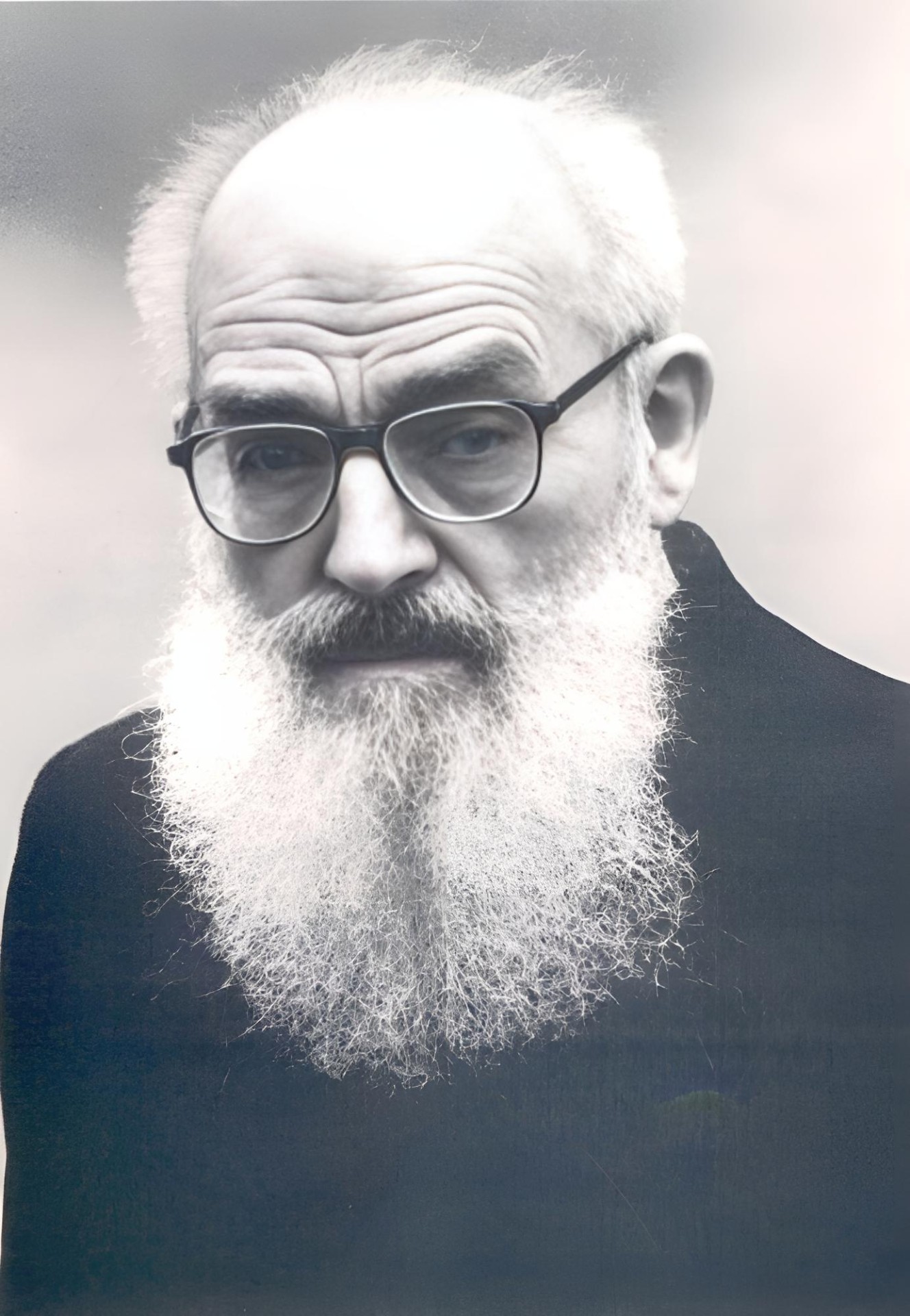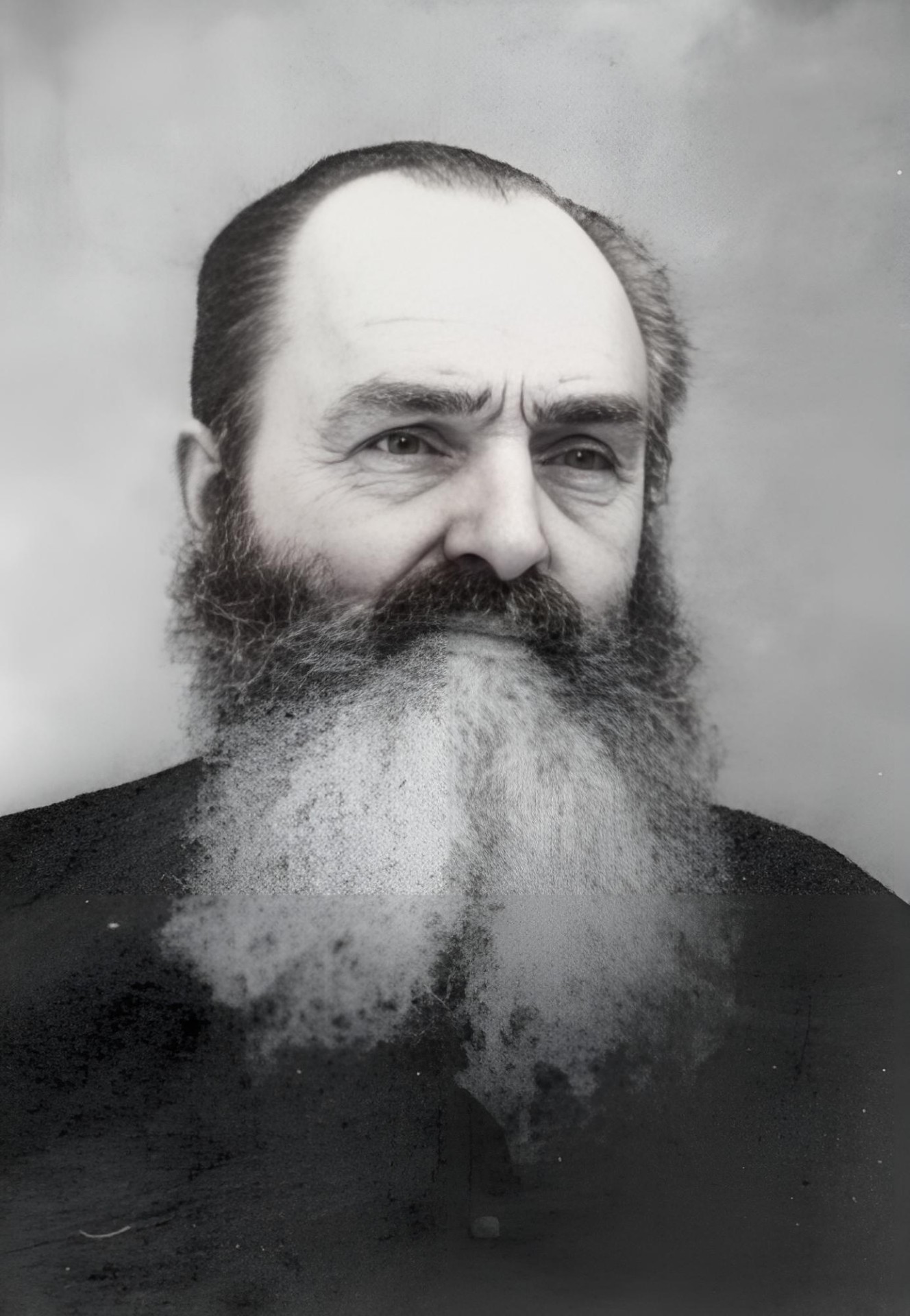


P. Albino Miklavcic
Trieste, 10 maggio 1910
Parma, 12 ottobre 1998
A Parma, in Casa Madre, verso le 5,45 del 12.10.1998, è morto il P. Albino Miklauvcic. Da diversi giorni le sue condizioni di salute si erano fatte critiche: impossibilitato, dapprima, a nutrirsi e parlare, era successivamente entrato nello stato comatoso che lo accompagnò fino al decesso.
Aveva compiuto 88 anni, essendo nato a Trieste il 10 Maggio 1910.
Studente nel Collegio S. Stanislao presso Lubiana (1921-1926) e poi allievo del Seminario Interdiocesano di Capodistria fino alle seconda liceo, entrò nel 1928 tra i Saveriani a Parma dove, dopo l’anno di Noviziato e la Prima professione (1929), frequentò i quattro anni di Teologia. Fu ordinato presbitero a Trieste, insieme con il fratello, il 2 Luglio 1933: aveva poco più di ventitré anni.
Dopo l’ordinazione fu destinato, con il compito di insegnante, alla Scuola Apostolica di Poggio S. Marcello. L’anno successivo, il 7.9.34, partì per la Cina; studiò il Cinese a Chengchow e nel 1935 iniziò il suo servizio pastorale che svolse: dapprima a Wankow, come aiutante e, per un anno, anche come Rettore (‘35-’40); poi a Loyang, aiutante per Songhsien (‘40-’44); ancora a Loyang, addetto all’ospedale (‘45-’47); infine a Yenshih, incaricato del dispensario (‘47-’52).
I 18 anni di Cina segnarono la vita di P. Albino: sperimentò, successivamente, la carestia, la guerra nipponica con i tre anni di concentramento, la rivoluzione maoista, le ostilità del nuovo regime culminate nei sei mesi di prigione e nell’espulsione dal paese. Ma anche trovò, in Cina, il suo paese dell’anima: “Sui monti di Wankow fra quei semplici (quegli “ordinarioni”, come direbbe P. Tonetto), senza pretese, senza preconcetti religiosi cristiani, ho passato dei momenti in cui mi sembrava di essere nel mio ambiente, nel mio posto…” (Lettera dell’11.3.1953).
Tornato in Italia incontrò difficoltà a reinserirsi in un mondo divenuto, a suo dire, troppo complesso: “Meglio lasciare questo mondo «civile» ed andare in quello migliore, detto «barbaro» dai «civili», ma in realtà più semplice, più naturale di questo composto di falsità, di convenienze, di convenzioni irragionevoli ecc. Beata Semplicitas!” (Lettera del 26.11.53).
Fu inviato in Pakistan Orientale, l’attuale Bangladesh; svolse la sua attività a Baniarchok come Rettore (‘55-’57) e a Shelabunia, incaricato dell’ambulatorio (‘58-’59).
Nel 1960 rientrò in Italia e visse a Parma servendo la Congregazione, finché le forze glielo permisero, come archivista della Direzione Generale (‘63-’71) e poi come addetto all’Archivio della Provincia Italiana (‘71-’92).
Forse questo di Parma era il genere di vita che più gli si confaceva: “… Desidero che il mondo non mi veda. Vorrei essere utile alle Missioni – anche fuori di esse - ma in forma nascosta (studio, preghiera, un po’ di insegnamento ai piccoli, secondo la mia piccola capacità)…” (Lett. dell’11.3.53).
Certo P. Albino ha dato preziosa testimonianza di fedeltà all’Istituto, come ebbe a sottolineare il Superiore Generale nella lettera di auguri in occasione del 50° di Ordinazione presbiterale: “in un tempo in cui facilmente si dimentica la bellezza e la grandezza della vocazione o facilmente la si mette in dubbio, una testimonianza di gioiosa fedeltà alla chiamata del Signore assume un valore ed una preziosità senza prezzo”. (15.6.83).
Il Signore accolga nel Suo Regno questo suo servo che non esitava a definirsi «inutile».
Fr. Albino Miklavcic
Trieste, 10 maggio 1910
Parma, 12 ottobre 1998
Fr. Albino Miklavcic died at the Mother House in Parma at 5:45 am of Oct. 12 1998. His health declined rapidly, being unable to feed himself and talk, until he was overcome by coma. He was 88 years old, born at Trieste on May 10 1910.
Fr. Albino studied at the diocesan seminary of St. Stanislaw in Lubiana (1921-26) and in Capodistria (1926-28) until he entered the Xaverians in Parma for Novitiate, concluded with the Religious Profession on Nov. 3 1929. Theology studies followed, until his priesthood ordination on July 2 1933 at Trieste, at age 23.
Fr. Miklavcic was assigned as teacher at the Apostolic School of Poggio S. Marcello, but the year after he received his destination for China. He departed for China on Sept. 7 1934, and studied Chinese language at Chengchow. In 1935 he began his pastoral service at Wankow as assistant priest and rector (1935-40), Loyang as assistant priest at Songhsien (1940-44), then in charge of the hospital at Loyang (1945-47) and finally in Yenshih as clinic director (1947-52).
Fr. Albino spent 19 years in China, and experienced the tribulations of famine, the Japanese war with three years of concentration camp, the Maoist revolution, the hostilities of the new regime culminated with his 6 months imprisonment, and then expulsion. Yet, even in these tragic times, he remembered his blessings: "On the mountains of Wankow I found simple people, with no pretenses, distant from the prejudices of the Christian religion. Those were the most beautiful moments for me: it was my environment, and I felt at my place among them..." (Letter of March 11 1953)
Once back to Italy, he found it difficult to insert himself back to that “civil” society, and preferred the simplicity of life of the missions. "It is better to leave this 'civil' world, and go in some better world, even though considered 'primitive' by this affluent society: a world where simplicity and honesty are valued..." (Letter of Nov. 26 1953)
He was then assigned to East Pakistan (Bangladesh) where he worked at Baniarchock as Rector (1955-57) and at Shelabunia as clinic director (1958-59).
He went back to Italy in 1960, where he lived mainly in Parma as the archivist of the General Direction (1963-71) and of the Province of Italy (1971-92) until his energies would afford him to do so, preferring “the hidden life” in support of the missions in humbling and hidden capacities. "I wish that the world would not see me. I would rather be useful to the Missions, even if in the background, working in hidden ways through study, prayer, some teaching to children, according to my abilities..." (March 11 1953)
The Superior General, on the occasion of his 50 years of Ordination, highlighted the precious and faithful witness of Fr. Albino: "At a time when we can easily forget the beauty and greatness of our religious vocation, or when we easily question it, a witness of a joyful faithfulness to the call of the Lord assumes a valid and priceless value." (June 15 1983)
May the Lord welcome into His Reign this servant who often referred to himself as “useless.”