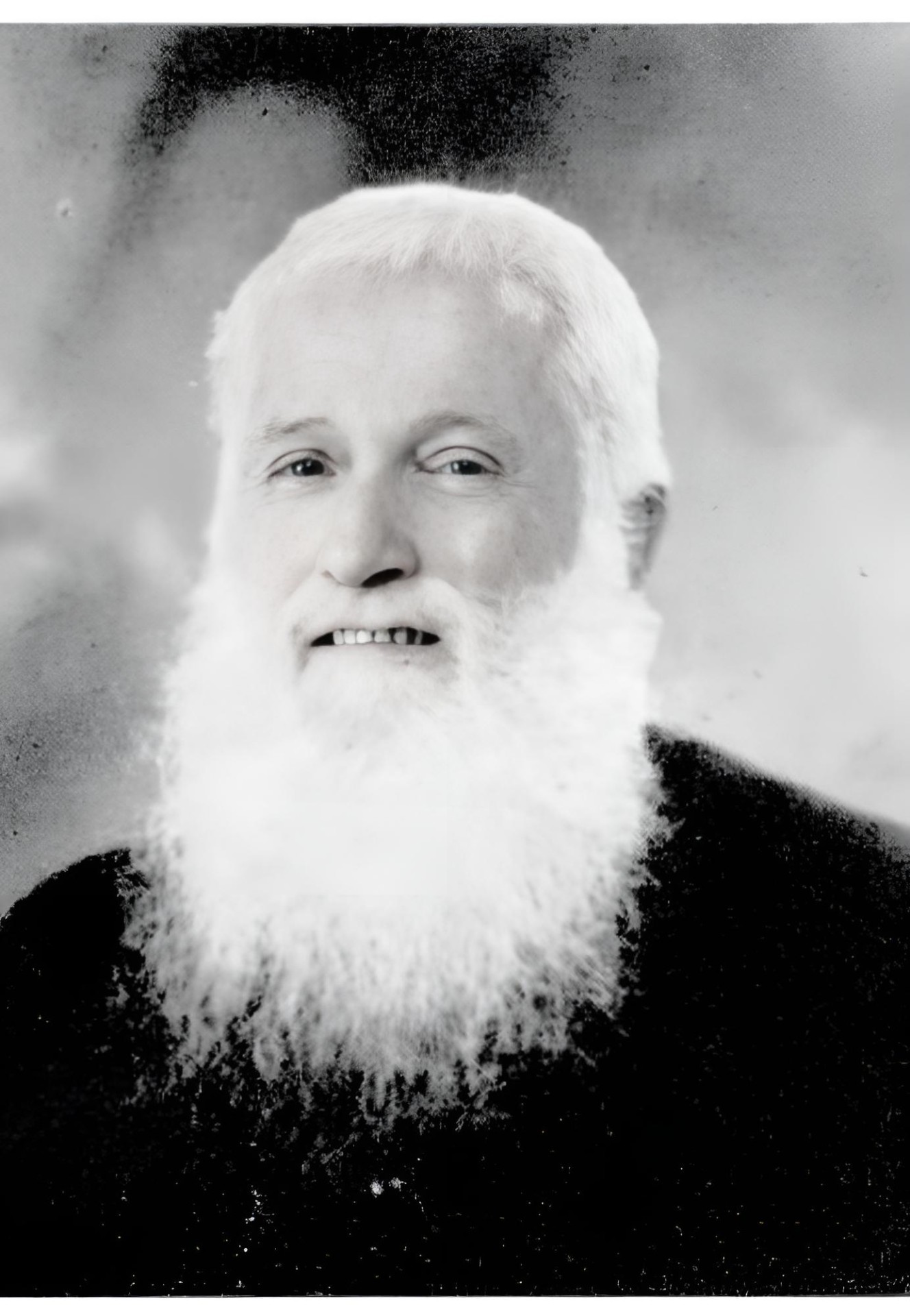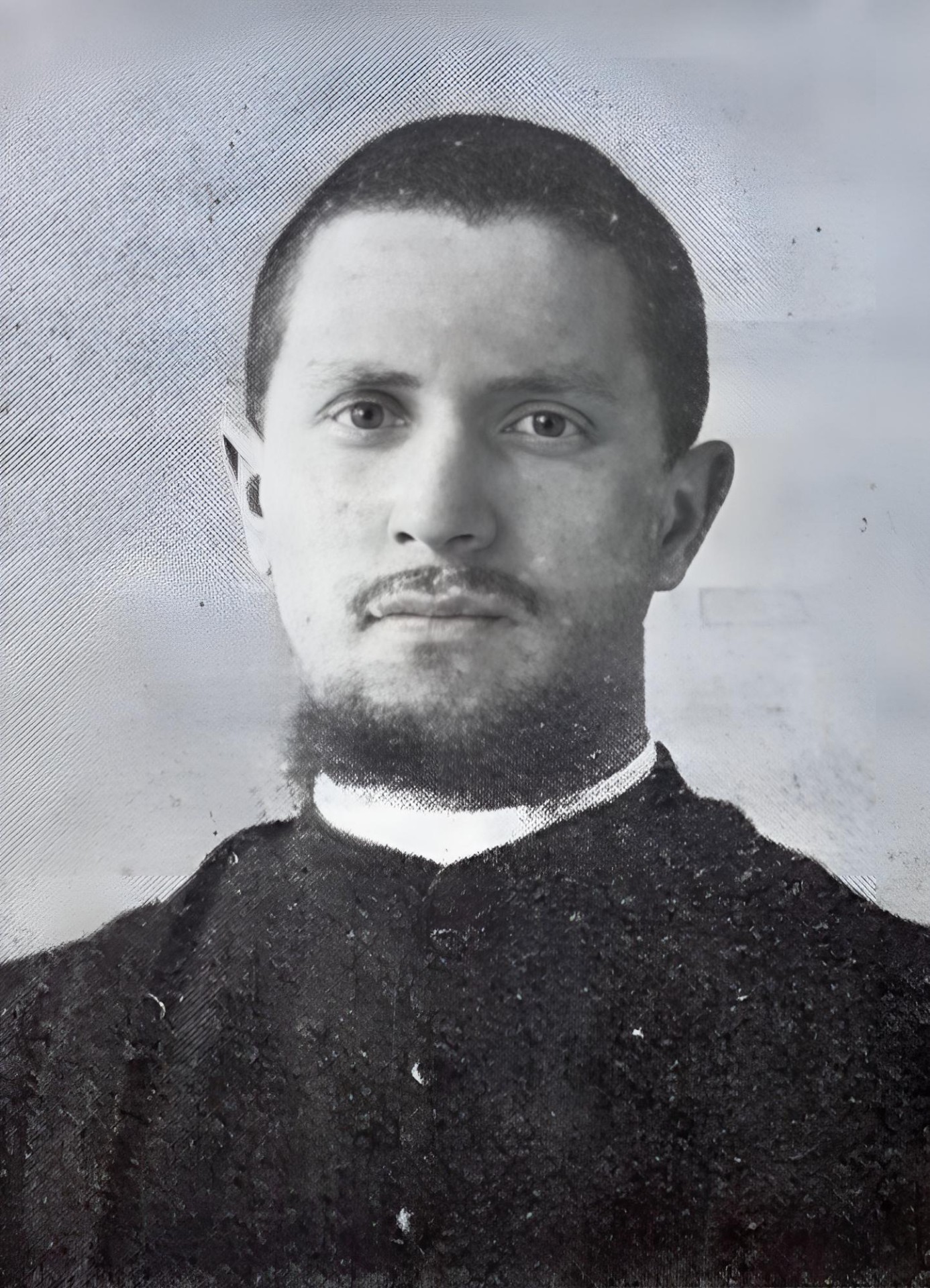


P. Emilio Frattin
Salvarosa di Castelfranco Veneto (Treviso), 27 settembre 1903
Parma, 16 dicembre 1969
Missionario in Cina per 20 anni; formatore di Missionari, di anni 66. Sepolto al Paese d'origine
Nacque a Salvarosa di Castelfranco Veneto (TV) il 27.IX.1903, in una famiglia di contadini, ricca solo di fede e di spirito di sacrificio. Avvertendo la chiamata alla vita missionaria dovette lottare non poco con i famigliari per poter partire: assieme al compaesano e futuro Confratello Pio Pozzobon ricorsero persino al Parroco che, per sostenerli, minacciò severi interventi di Dio se i ragazzi non fossero stati lasciati liberi di seguire la loro vocazione... Dopo un mese il babbo di Pozzobon moriva… si decise subito di lasciarli partire. I due ragazzi furono tra i primi Apostolini della nuova Scuola Apostolica che Mons. Conforti aveva aperto a Vicenza (24.X.1919).
Da Vicenza venne a Parma per completare il Ginnasio e quindi entrare in Noviziato. Emessa la Professione Religiosa il 31.X.1922 e completati gli Studi Liceali e Teologici, fu ordinato Sacerdote il 7.IV.1928 da Mons. Conforti nella Cattedrale di Parma.
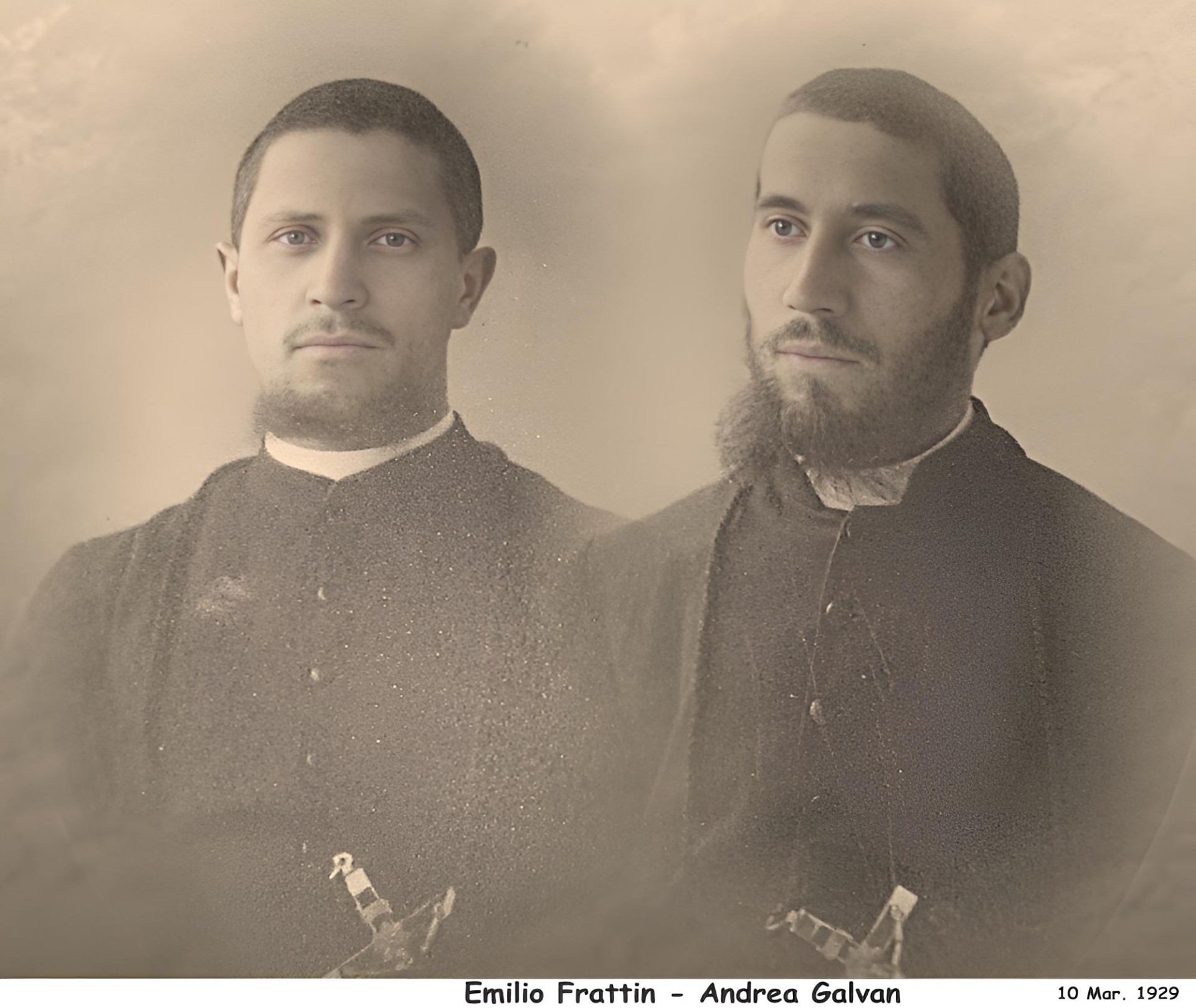
A 27 anni partiva Missionario per la Cina, nel marzo 1929, assieme al P. Andrea Galvan, imbarcandosi sulla nave "Romolo".
Nel Vicariato Apostolico di Cheng-chow ebbe vari incarichi in diversi Distretti Missionari, ma per lo più egli svolse la sua attività nella zona montagnosa. Lavorò a Zuchow con il P. G. Tonetto, a Ju-chow con il P. G. Castelli.
Aveva grande stima ed ammirazione per il Vescovo Mons. L. Calza e per il Superiore P. Amatore Dagnino, che egli riteneva un sant'uomo di Dio. La guerra in atto con i Giapponesi dal 1937 gli procurò difficoltà e preoccupazioni.
Venne anche per lui la prova dolorosa del campo di concentramento: nel giugno 1942 egli dovette lasciare Ju-chow e raggiungere gli altri Confratelli nel campo di Nei-hsiang. Data l'estrema povertà dell'alloggio e del trattamento a mensa, egli dovette soffrire molto, forse più degli altri, quella prigionia.
Lasciato il concentramento, fu prima in qualche Distretto periferico, e quindi tornò a Ju-chow. Qui ebbe molto a soffrire in seguito per l'invasione comunista: due volte venne imprigionato; gli fu negato il permesso di visitare liberamente le cristianità. Anche la salute venne meno.
Dovette rassegnarsi a fare vela per l'Italia: nel marzo 1948 riabbracciava la mamma, mentre il papà era morto già da dieci anni.
Visse la maggior parte degli anni dopo il ritorno dalla Cina, nelle Case Saveriane di Massa della Lucania e Salerno come Rettore.
Negli ultimi anni di vita si prestò come Confessore nel Noviziato, sempre in sordina, fedele al suo proposito:
“Farò di tutto per non essere di peso... Spero di essere ugualmente utile nel fare un po' di bene con le preghiere ed i Rosari...".
Morì a Parma nella Casa di Cura "Piccole Figlie", il 16.XII.1969.
Fr. Emilio Frattin
Salvarosa di Castelfranco Veneto (Treviso), 27 settembre 1903
Parma, 16 dicembre 1969
Fr. Emilio Frattin died at the “Piccole Figlie” clinic in Parma, on Dec. 16 1969, of flue from complications of diabetes and heart. He was 66 years old, born at Salvarosa di Castelfranco Veneto (Treviso) on Nov. 27 1903.
He came from a simple family of farmers, rich in faith and spirit of sacrifice. He felt called to missionary life, but had difficulties in receiving the OK from his family members, so much so that, together with Pio Pozzobon (who was from the same town) appealed to the parish priest for support. And this parish priest sustained them, even with threats to the family, if these two young boys could not follow their own desire to become missionaries. Only after the death of Pozzobon’s father, the two boys could leave. They joined the first class of Apostolini of the newly established Apostolic School at Vicenza (Oct. 24 1919).
From Vicenza, Frattin went to Parma to complete the Ginnasio, and then entered Novitiate, where he professed his religious vows on Oct. 31 1922. At the end of his studies, Bishop Conforti ordained him priest on April 7 1928, in the Cathedral of Parma.
At age 27, he left for China, in March 1929, together with Fr. Andrea Galvan. He worked in the Apostolic Vicariate of Cheng-chow in different capacities, though most of his service was in the mountain communities at Zuchow with Fr. G. Tonetto and Ju-chow with Fr. G. Castelli.
He esteemed greatly Bishop Msgr. L. Calza and his religious superior Fr. Amatore Dagnino, “a holy man of God.” But the war with the Japanese brought him pains and difficulties, especially when he joined all the other Xaverians at the concentration camp in Nei-hsiang in 1942. He suffered greatly in that surrounding, probably most of all the Xaverians, because of the extreme poverty, the poor accommodations and the treatment received.
After the concentration camp, he worked in the districts surrounding Cheng-chow, and returned to Ju-chow. But the communist invasion brought him more headaches: twice was imprisoned; he was denied the opportunity to visit freely the Christian communities; and his health was worsening.
He resigned to return to Italy, with a heartache: in March 1948, he could embrace once again his mother, while his dad had passed away 10 years before. He lived mainly in the Xaverian houses of Massa della Lucania and Salerno, serving as Rector. Toward the end of his life, he was Confessor in the Novitiate, with a reserved and faithful presence. “I will try my best not to be a burden to anyone… I hope that I can be useful in doing some good through my prayers and rosaries…”
May he rest in Peace